Anyone can pick up a crossbow and shoot it within minutes, and that ease is exactly why new owners get hurt. The device stays loaded with energy until it is fired or properly de-cocked, it can be carried by someone who never cocked it, and its string travels along a rail at a speed no hand can match.
This guide sets out the rules that prevent the injuries we see described most often, then shows you how to apply them while cocking, shooting, storing and transporting a crossbow. It is written for first-time owners, vertical-bow shooters changing over and anyone who has inherited a crossbow and wants to handle it properly.
Why Crossbow Safety Differs From Vertical Bows
A vertical bow holds tension only while you draw it. A crossbow holds its full draw weight the moment it is cocked, whether or not a bolt is loaded and whether or not the safety is on. It can be put down, passed along or leaned against a truck while still carrying that energy.
That combination of stored energy and portability makes the safe habits closer to firearm habits than to archery habits. The rules below cover what actually goes wrong in practice rather than repeating general advice.
The Core Rules at a Glance
| Rule | Why it matters |
|---|---|
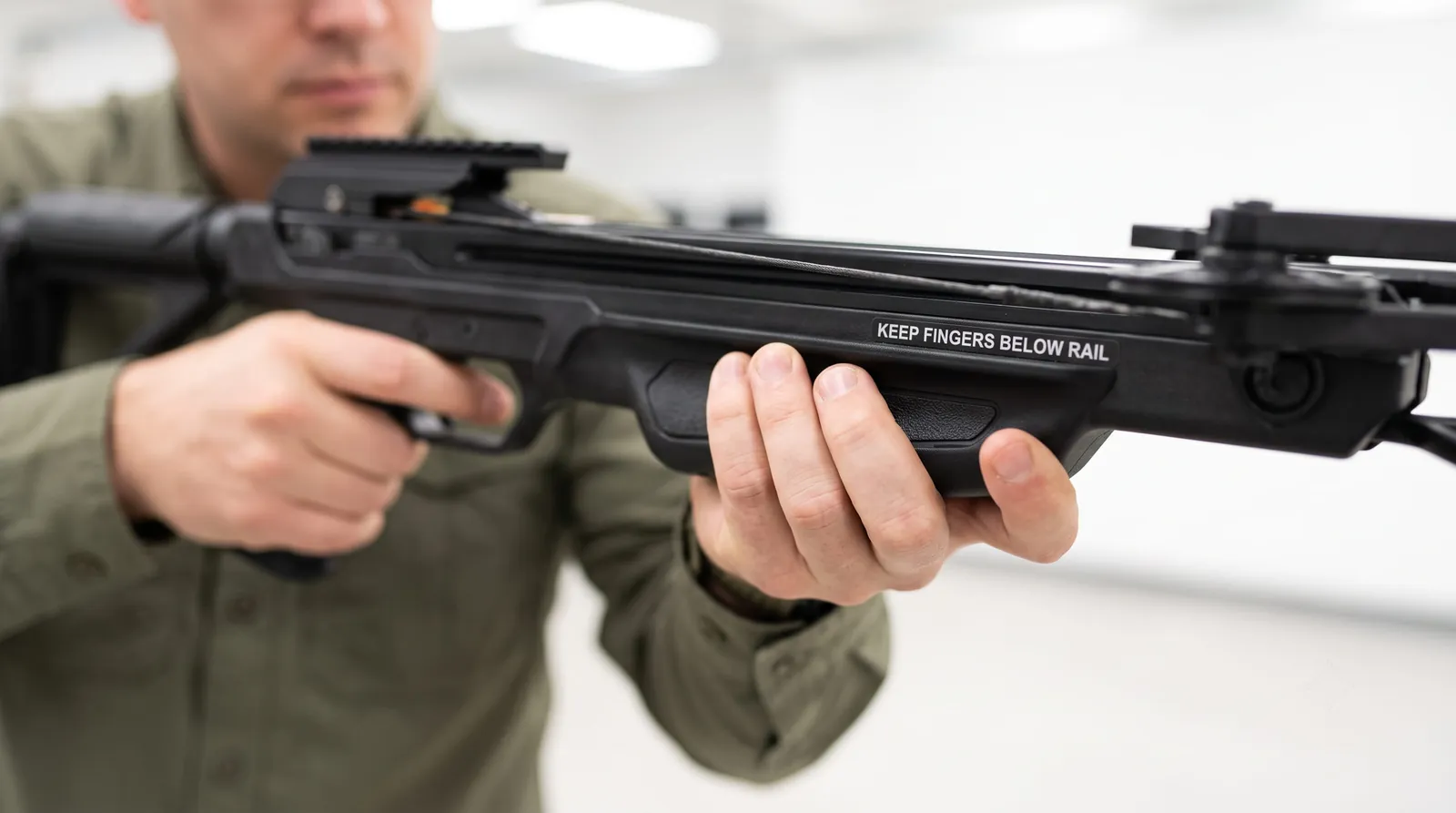
| Keep fingers and thumbs below the rail | The string travels along the rail at speed and strikes anything in its path |
| Never dry-fire | Releasing energy with no bolt can damage limbs and cams and cause injury from debris |
| Treat every cocked crossbow as loaded | Prevents accidents from casual handling |
| Use the safety, but never rely on it alone | Mechanical safeties can wear, fail or be bumped |
| Inspect strings, cables and limbs before use | Catches wear before it becomes a failure |
| Know your reliable range and your backstop | A missed or passing bolt keeps traveling until something stops it |
Rule 1: Keep Fingers and Thumbs Below the Rail
Why This Is the Most Common Injury
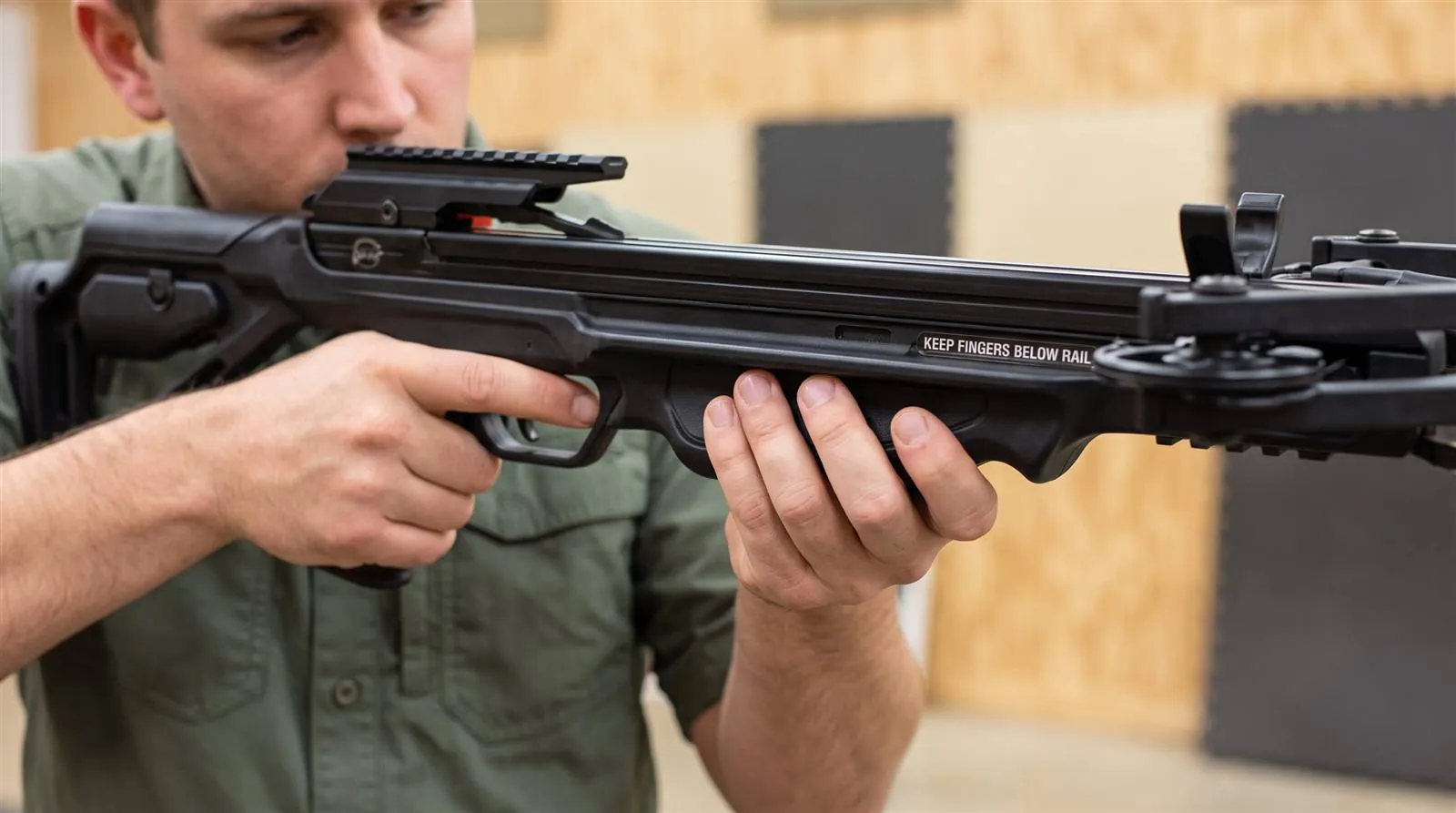
The most common beginner injury happens when a finger or thumb creeps above the rail during cocking or firing and ends up in the string's path. The string accelerates along a fixed track, and anything above that track takes the hit.
How to Build the Habit
Grip the forestock with your hand and thumb below the rail line, every time, during cocking, loading, aiming and firing. Think of it the way a firearm shooter thinks about trigger discipline. A single moment of inattention is enough, so make it automatic by checking your hand position before every cock and before every shot.
Check also that gloves, sleeves, a sling or a lanyard cannot drift into the string path.
Rule 2: Never Dry-Fire a Crossbow
What Dry-Firing Is
Dry-firing means releasing a cocked crossbow with no bolt, or with a bolt that is not properly seated against the string. With no bolt to absorb the energy, the force goes back into the limbs, cams and structure. Components can break and debris can fly toward you or bystanders.
What Anti-Dry-Fire Systems Do and Do Not Do
Many modern crossbows have an anti-dry-fire mechanism. The Excalibur Mag Air, for example, uses the Guardian anti-dry-fire trigger system, which in our review engaged reliably in every scenario we could safely simulate. Treat any such system as a backup. It does not replace your own habit of confirming a bolt is fully seated before the trigger is touched.
How Accidental Dry-Fires Happen
Most are not deliberate. A bolt was not fully seated, or it was knocked loose after loading. Double-check the bolt immediately before you raise the crossbow, especially after you have moved, repositioned or waited. If you cocked and no longer plan to shoot, do not release the trigger to empty it. Use the approved method in our how to de-cock a crossbow safely guide.
Rule 3: Treat Every Cocked Crossbow as Loaded
The Mindset Shift
Once cocked, a crossbow holds its energy until it is fired or de-cocked. A cocked crossbow, loaded or not, should be pointed in a safe direction at all times, with your finger off the trigger. Before it changes hands, confirm that it is either deliberately ready to shoot with the safety on or fully de-cocked.
When You Cock and Do Not Shoot
New hunters are often surprised how often this happens. An animal moves off, light fades or the angle never opens up. Plan for it before you cock. Never set the crossbow aside still cocked. Use a built-in De-Cock mechanism if your crossbow has one, or the discharge procedure your manufacturer approves. Models such as the TenPoint Titan X De-Cock build this into the cocking system, and our de-cocking guide covers the options.
Rule 4: Use the Safety, but Do Not Rely on It Alone
A mechanical safety switch is a layer of protection, and mechanical parts can wear, malfunction or be knocked off in rough handling. Treat it as one layer in a broader habit.
The most dependable habit is to keep your finger outside the trigger guard until the sights are on target and you have decided to shoot. That one discipline, borrowed from firearm training, prevents most accidental discharges. Engage the safety as soon as the string seats, and release it only when you are ready.
Rule 5: Inspect Your Crossbow Before Every Use
Before you cock, with the crossbow de-cocked and unloaded, run a quick inspection:
- String and cables: look for broken strands, fuzzing and serving that has lifted.
- Limbs: check for cracks, splinters or stress marks along the full length.
- Rail: look for wear, grit and rough spots where the string and bolt travel.
- Hardware: confirm scope mounts, screws and the stock are secure.
- Safety and trigger: operate the safety and make sure it engages and releases cleanly.
A worn or damaged string or limb is a common cause of failure, and finding it before a shot is far safer than finding it during one. Our how to maintain a crossbow guide covers waxing, lubrication and the signs that mean you should see a technician.
Rule 6: Know Your Reliable Range and Your Backstop
Range Discipline Is Also Safety
Shooting beyond the distance where you group consistently raises the chance of a stray bolt traveling farther than you intended in a direction you did not intend. Find your tight-grouping range through practice, and treat it as a fixed personal limit rather than a target to stretch.
Practice at Realistic Distances
Spend most of your practice time at the distances you actually expect to shoot, rather than only at a comfortable close range. Our how to sight in a crossbow scope guide shows how to set your scope up before you judge your range.
Always Know What Is Behind the Target
A missed or passing bolt keeps traveling until something stops it. Confirm a safe backstop before every shot, at a range or in the field, and never shoot at a target you cannot clearly identify with a clear zone beyond it.
Safe Cocking for Beginners
Technique
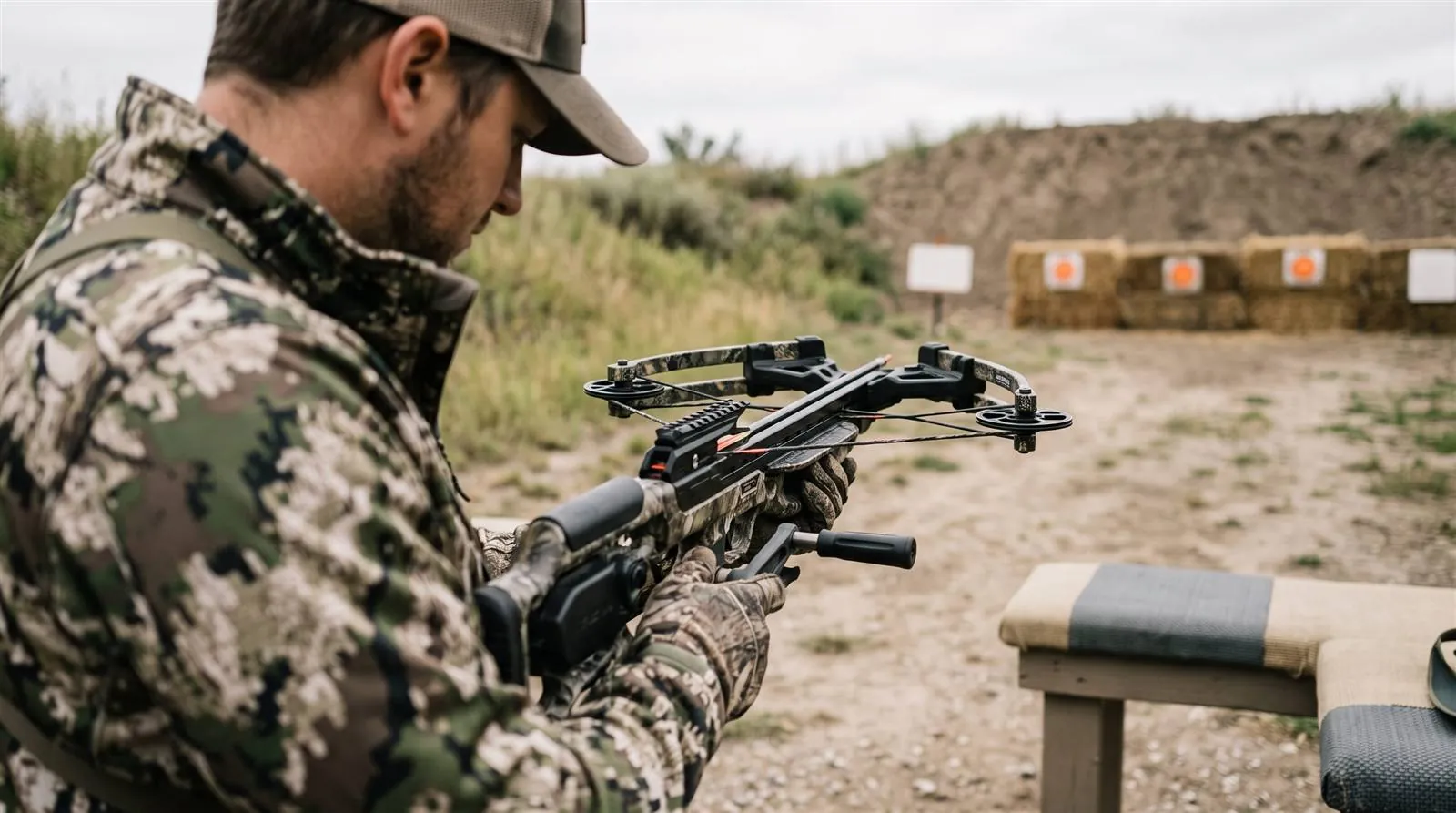
Use a cocking aid designed for your crossbow and follow your manual. Keep your body positioned so a slip would not point the crossbow at you or anyone else, and use one smooth, even draw instead of jerky pulls. Our how to cock a crossbow guide has numbered steps for rope and crank methods.
A Cocking Aid Improves Consistency and Safety
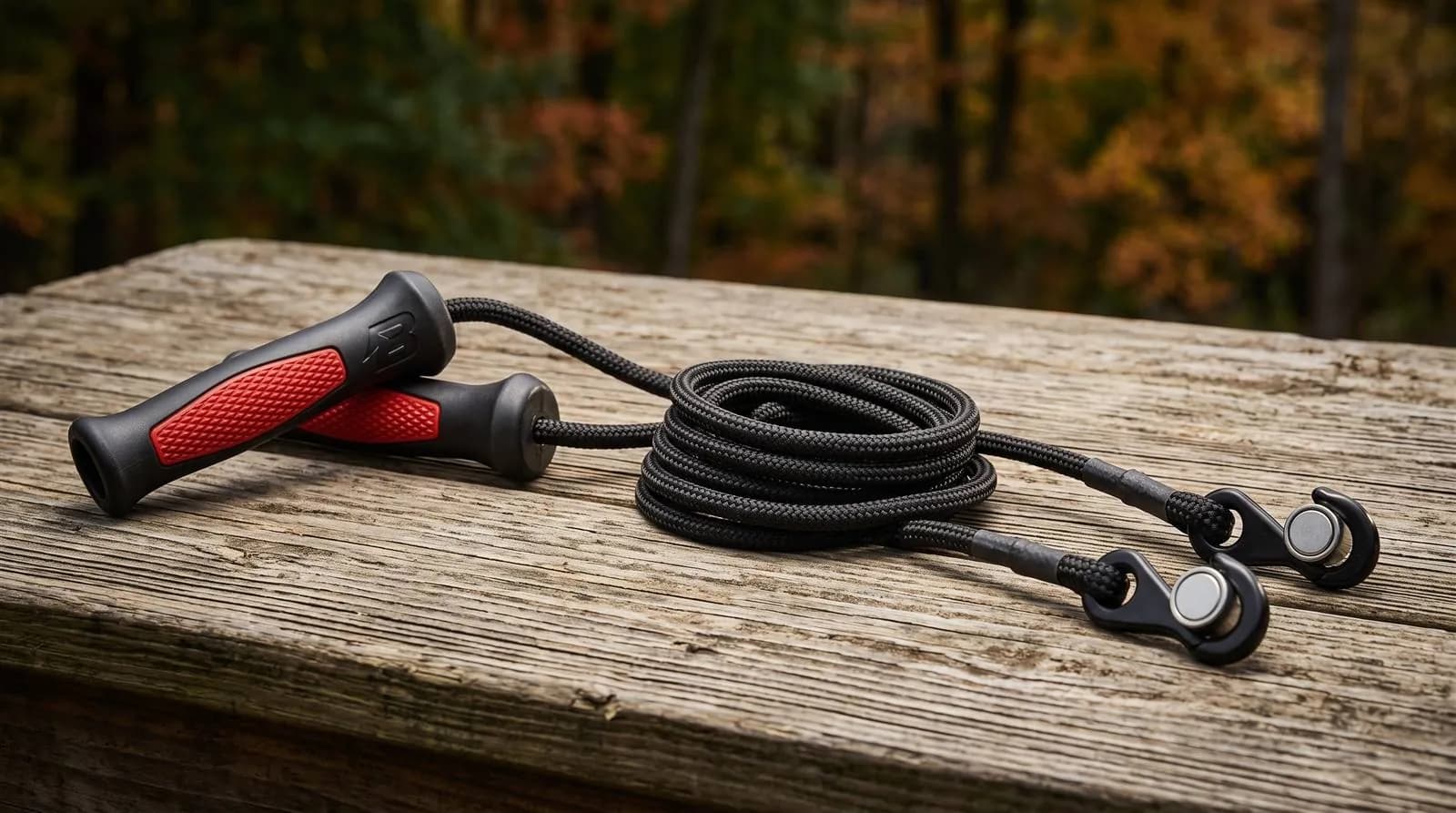
A controlled aid such as the TenPoint ACUdraw, which brought effective effort to roughly 5 lbs in our review, or a rope device like the Barnett Premium Rope Cocking Device, gives a repeatable motion. That is safer than a variable manual pull that can slip when you are tired or in an awkward field position.
Tested for this topic
Barnett Rope Cocking DeviceA simple rope aid that cut cocking effort by roughly half in my testing, if your model is on the compatible list.
Range and Field Etiquette
Communicate
At a shared range or in a group, announce before you cock, load or shoot. Do not assume others have noticed. Verbal confirmation takes a second and prevents serious accidents.
Keep the Muzzle Under Control
Point the muzzle in a safe direction at all times, including while you walk, climb or change position. Do not rest it across your lap or lean it on your body.
Children and Bystanders
Keep children, pets and bystanders well clear of the shooting line and out of the area behind and beyond the target. A crossbow is not a toy, and children should be supervised by an adult trained in its use.
Storage and Transport
Between sessions, store the crossbow de-cocked and unloaded, in a case, where children cannot reach it. When driving, secure it so it cannot shift or be triggered, and never transport a cocked crossbow. Storage, transport and carry rules differ by location, so verify the current requirements with your local authority.
A Pre-Shot Checklist
Run through these before every shot. After a few weeks it takes seconds.
| Check | What to confirm |
|---|---|
| Hands | Fingers and thumbs below the rail |
| Bolt | Correct bolt, fully seated against the string |
| Safety | On until you are ready, finger off the trigger |
| Target | Positively identified, with a safe backstop beyond |
| Surroundings | No one in front, behind or beside the line of fire |
| Condition | Crossbow inspected, string and limbs undamaged |
Common Mistakes and What to Do Instead
Placing a Hand Above the Rail
Fix it by gripping below the rail every time and checking before each cock and shot.
Trusting the Safety Alone
Fix it by keeping your finger off the trigger and the muzzle pointed safely, regardless of the safety's position.
Skipping the Pre-Use Inspection
Fix it with a quick five-point check. Most failures show a warning first.
Leaving the Crossbow Cocked
Fix it by planning your de-cocking method before the hunt and using only the manufacturer-approved route.
Cocking With the Wrong Device
Fix it by confirming the device is approved for your exact model and following the manual.
Shooting Without Knowing the Backstop
Fix it by never releasing a shot unless you can identify the target and know what lies beyond it.
Safety Checklists for Home, Range and Field
The pre-shot table covers one moment. These three checklists cover the whole day.
Before You Leave Home
- Crossbow inspected, de-cocked and unloaded, in a case
- Bolts inspected and carried separately, with broadheads covered
- Cocking aid, manual and eye protection packed
- You know the rules for the place you are going, checked with the relevant authority
At the Range
- Backstop known and suitable; lane clear; nobody ahead of the firing line
- Eye protection on; loose clothing and hair clear of the string path
- Cock only when you are on the line; announce it
- Load, shoot, and de-cock by an approved method before leaving the line
At the End of the Day
- Crossbow de-cocked by the manufacturer-approved method
- Bolts removed, inspected and stored apart from the crossbow
- Crossbow dried, wiped and cased, then stored out of children's reach
- Notes made of anything that felt or sounded different
Heights, Stands and Hauling
Falls are among the serious risks in hunting, and a crossbow adds to them. General practice, which your manual and the stand maker's instructions come first on:
- Raise and lower the crossbow unloaded and de-cocked on a haul line, and never climb with it in your hands.
- Cock and load only once you are secured at height.
- Keep fingers and thumbs below the rail even when you are balancing, and keep the muzzle pointed to a safe zone.
- De-cock before you unclip to descend.
Using a certified safety harness for any elevated stand is standard guidance from stand makers and education courses.
Safety Troubleshooting: Symptom to Cause
| What you notice | Possible cause | Safe response |
|---|---|---|
| Safety does not click on, or feels loose | Dirt, wear or a damaged part | Stop; leave it de-cocked; see a technician |
| Bolt slides off the rail or will not stay seated | Wrong nock, worn retention or incorrect bolt | Do not shoot; check bolt spec against the manual |
| Trigger pull feels different | Dirt, wear or damage in the trigger group | Stop; do not disassemble; see a technician |
| Unusual noise or vibration on firing | Loose hardware or damage | Stop and inspect; have it checked before the next shot |
| String looks frayed or has lifted serving | Wear | Retire from use until it has been replaced |
| String does not seat after cocking | Latch or cocking fault | Do not force it; follow the manual or contact a dealer |
Setting a Personal Range Limit
A reliable range limit is a decision you make from your own results. A simple way to do it:
- Shoot five-bolt groups from a rest at 20, 30 and 40 yards.
- Decide on a group size you would accept as the largest consistent error, for example a circle you can cover with your hand.
- Your limit is the longest distance where every group stays inside that circle, from the positions you will actually shoot.
- Write the number down and treat it as fixed, not a target to stretch.
Re-test after any change in bolts, tip or scope, and at the start of each season. The point is not a universal distance but an honest limit you have measured yourself.
When to Stop and See a Technician
Put the crossbow away, de-cocked, and get it inspected by a qualified technician or the manufacturer if:
- The safety fails to engage or hold, even once
- The trigger behaves inconsistently
- You find limb cracks, string damage or loose cams
- The crossbow was dropped while cocked
- You have any dry-fire, even if nothing appears damaged
- Cocking becomes rough, uneven or unsafe
A dry-fire deserves particular attention. Damage is not always visible, so have the limbs and string checked before shooting again.
Most range incidents I hear about start with a cocking or firing problem, so read crossbow won't fire: common problems and fixes before your first session, and use the cocking effort estimator to decide whether your draw weight needs a rope or a crank. These rules apply to pistol crossbows just as they do to full-size models.
The same rules apply to pistol crossbows such as the Steambow AR-6 Stinger II and the SAS Prophecy 80, which are often bought as a first crossbow and handled more casually than they should be.
Frequently Asked Questions
What is the most common crossbow injury for beginners?
Finger and thumb injuries from placing a hand above the barrel rail during cocking or firing are the most common. The string travels along the rail at high speed and strikes anything in its path.
Can dry-firing actually damage a crossbow?
Yes. Releasing the string with no bolt properly loaded can break limbs and cams by sending the energy back into the crossbow instead of into a bolt, and it can throw debris toward you or bystanders.
Do I still need to be careful if my crossbow has an anti-dry-fire feature?
Yes. Treat the mechanism as a backup only. Always confirm the bolt is fully seated before you touch the trigger, because no mechanical system replaces a careful habit.
How often should I inspect my crossbow's string and limbs?
Before every use. Check the string and cables for fraying, the limbs for cracks or stress marks, and the rail for wear, then follow your manufacturer's guidance on waxing and servicing.
Is it safe to leave a crossbow cocked if I do not take a shot?
No. Never leave a crossbow cocked. Use a built-in De-Cock system or the discharge procedure your manufacturer approves, and do not improvise a release or dry-fire to empty it.
Should I take a safety course before my first hunt?
It is strongly worth considering. A certified hunter or archery education course gives hands-on instruction, and many jurisdictions require one for hunting, so check your local rules with the relevant authority.
How should I store a crossbow around children?
Store it de-cocked and unloaded, in a case, in a secured location that children cannot reach, with bolts kept separately. Follow any local storage requirements, which vary, by checking with your local authority.
What safety gear should a beginner crossbow shooter wear?
Wear eye protection at minimum, and keep loose clothing, hair and straps out of the string path. Hearing protection is sensible at an indoor range, and any elevated hunting needs a harness.
Can a crossbow be carried cocked while walking?
It should not be. A cocked crossbow carries its full stored energy, and a trip, slip or snagged branch can lead to an accident. Cock where you will shoot, and de-cock by an approved method before moving.
What should I do if I dry-fire my crossbow by accident?
Stop using it, de-cock safely and keep everyone clear. Have the limbs, string and cams inspected by a qualified technician or the manufacturer before you shoot again, since damage is not always visible.
Final Recommendation
Safe crossbow handling comes down to a handful of habits you repeat every time: hands below the rail, no dry-firing, a cocked crossbow treated as loaded, the safety used but never trusted alone, an inspection before use, and a clear backstop. They only work if they are automatic.
Build them in the right order by learning to cock evenly, then learning the approved way out of a cocked state. If you are still choosing a crossbow, compare models in our compound crossbows and recurve crossbows hubs, or start with our best crossbows shortlist.
Read nextPractice the safe cocking routineRope, crank and integrated methods, with numbered steps and a troubleshooting table.Gear mentioned in this guide
Reviews we link to above, highest rated first. Read the full review before you buy.
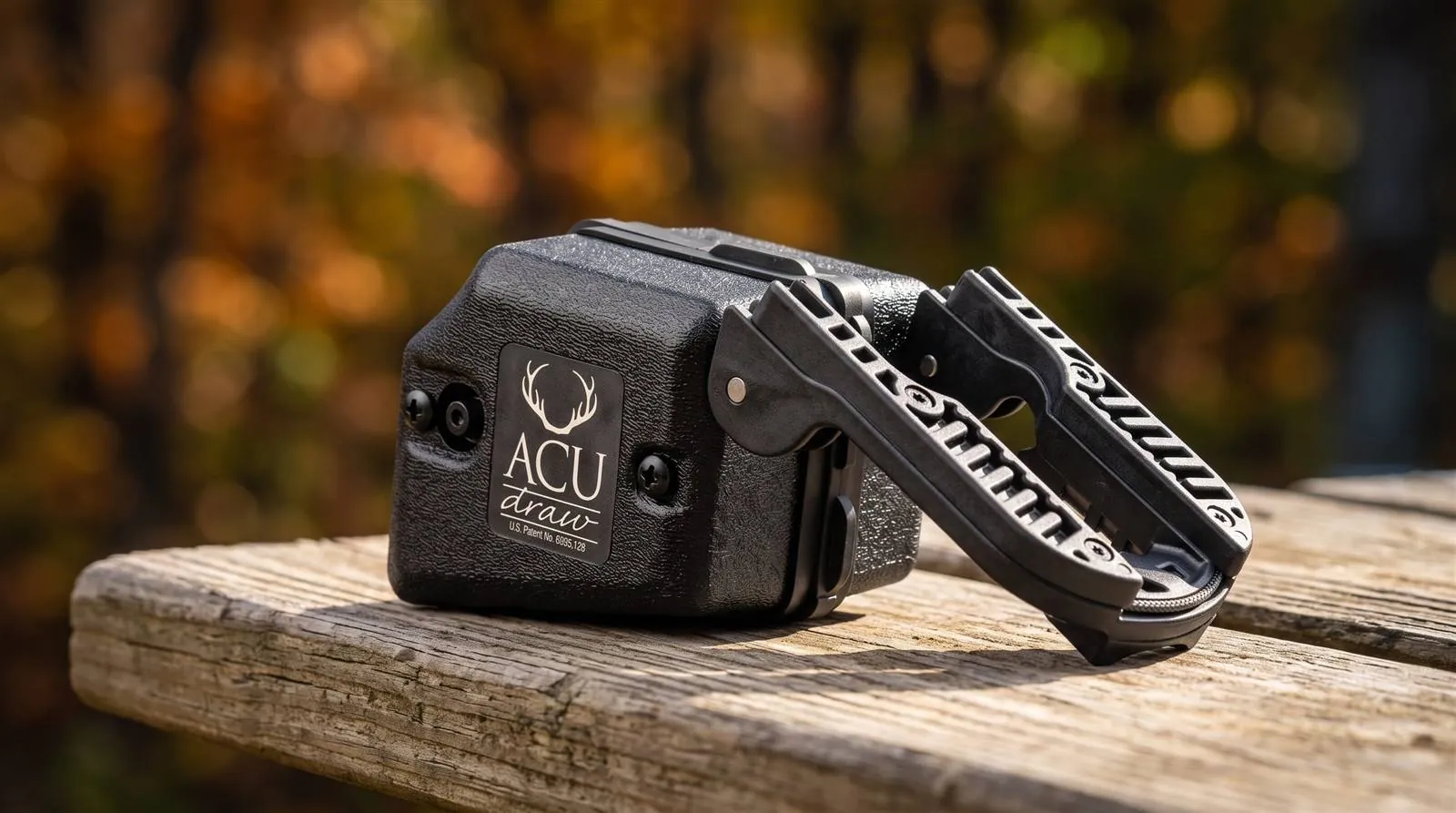
TenPoint ACUdraw Review
TenPoint's integrated cocking system that sharply cuts draw effort and centers the string every time. Fits select TenPoint, Wicked Ridge and Horton models.
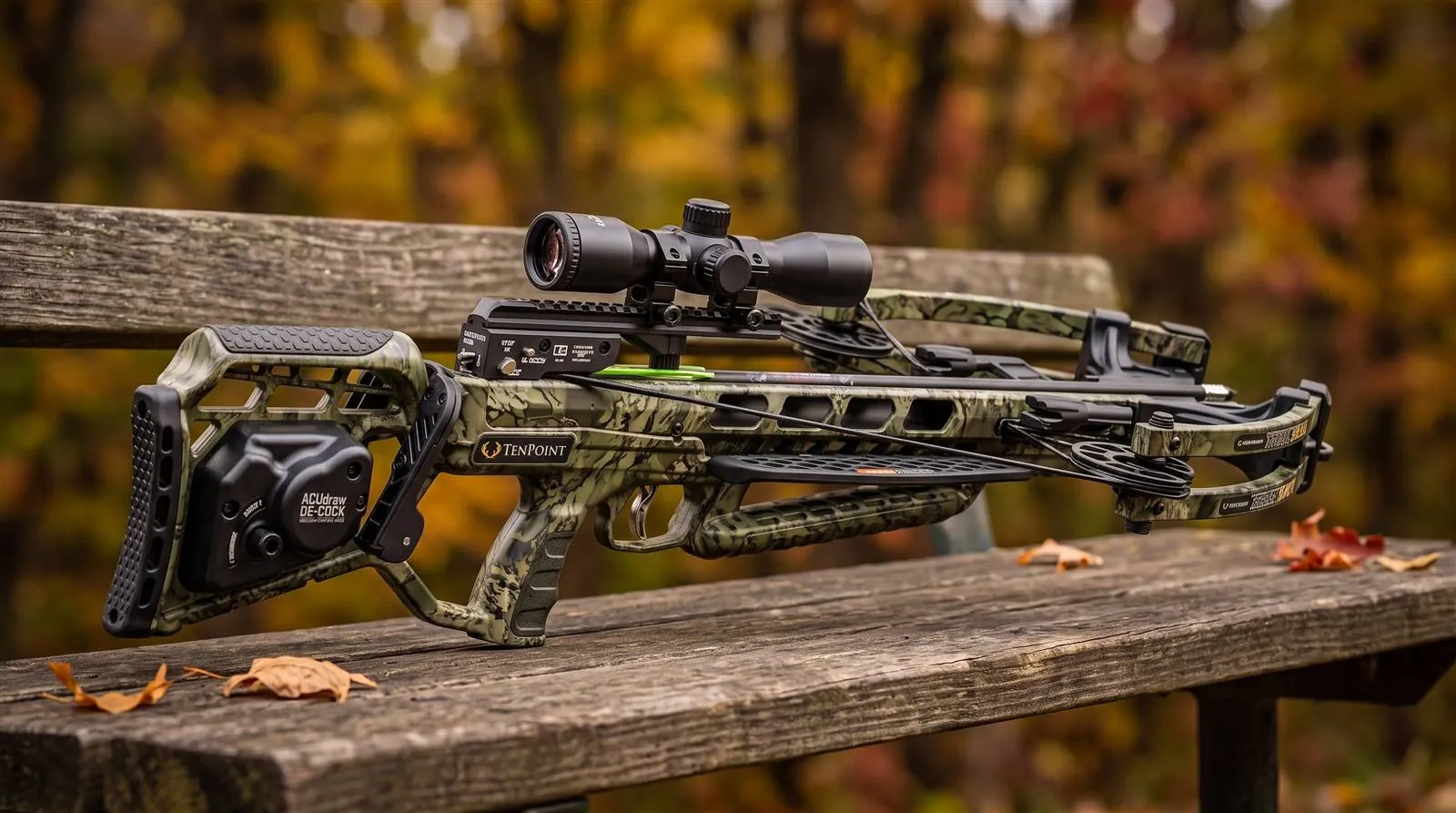
TenPoint Titan X De-Cock Review
Mid-priced compound crossbow measured at 395–404 FPS, with integrated cocking and a controlled de-cocking system. A good first TenPoint.
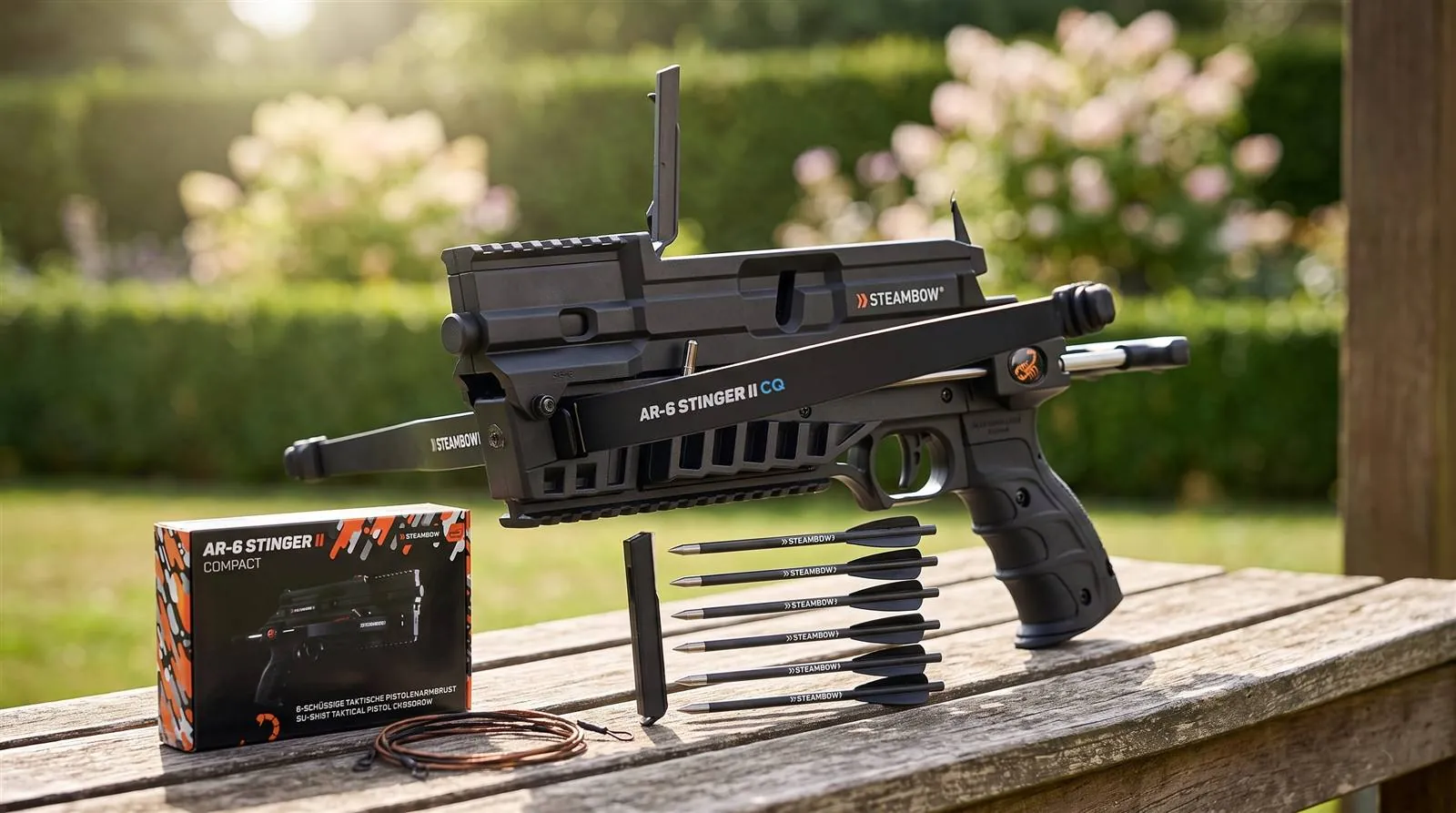
Steambow AR-6 Stinger II Review
Six-shot repeating pistol crossbow at 176–184 FPS, accurate inside 70 feet and very easy to cock. Optional Pro limbs add speed.
Ready to compare models? Browse our pistol crossbows reviews, or see all reviews to see how each one measured up in testing.
More in Maintenance & Troubleshooting, Hunting Laws & Safety
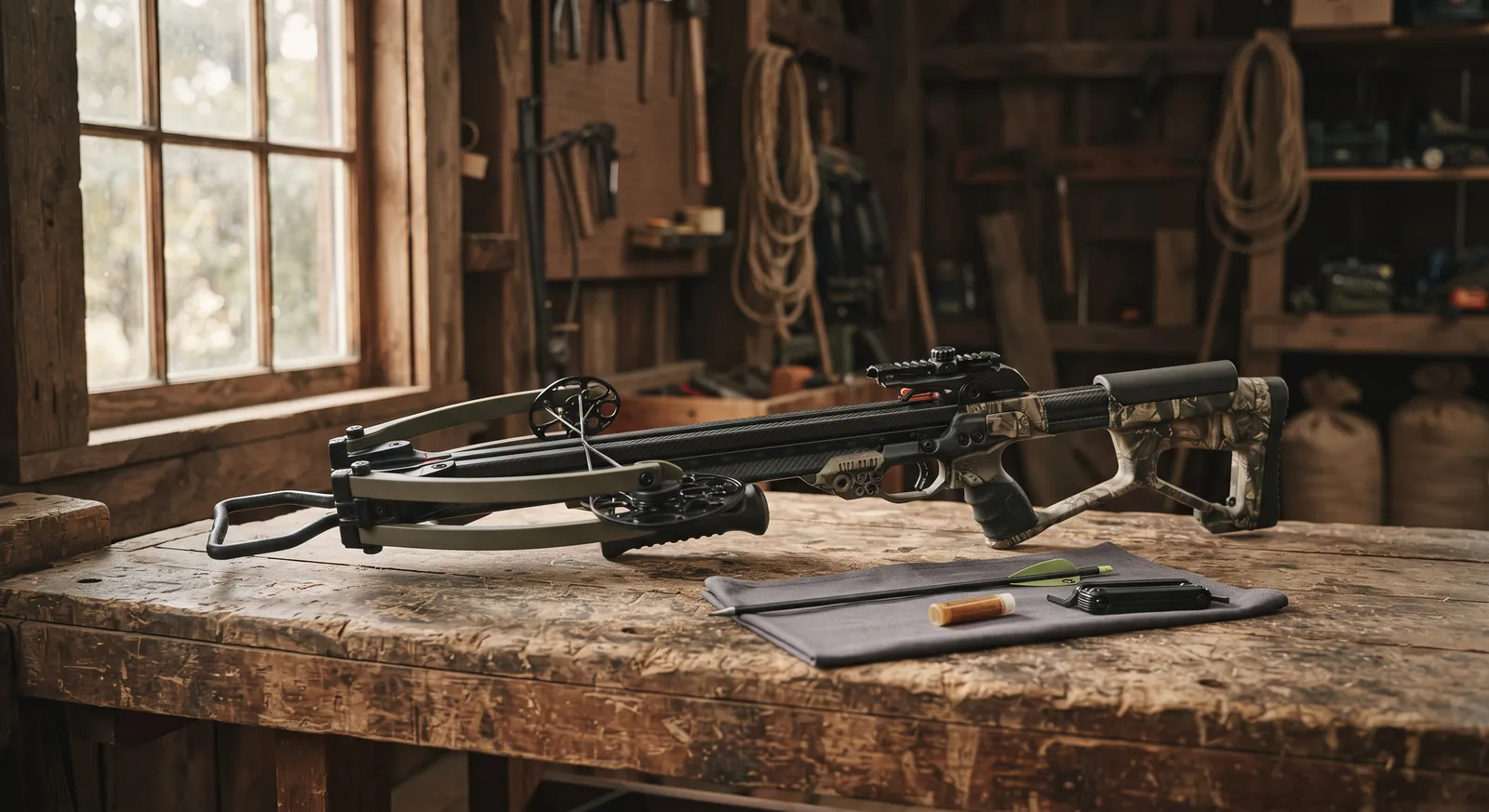
Crossbow Won't Fire: Causes & Fixes
A diagnosis table for a crossbow that won't fire: safety on, unseated bolt, wrong nock, bolt specs, retention spring and trigger problems, and when to stop.
Read guide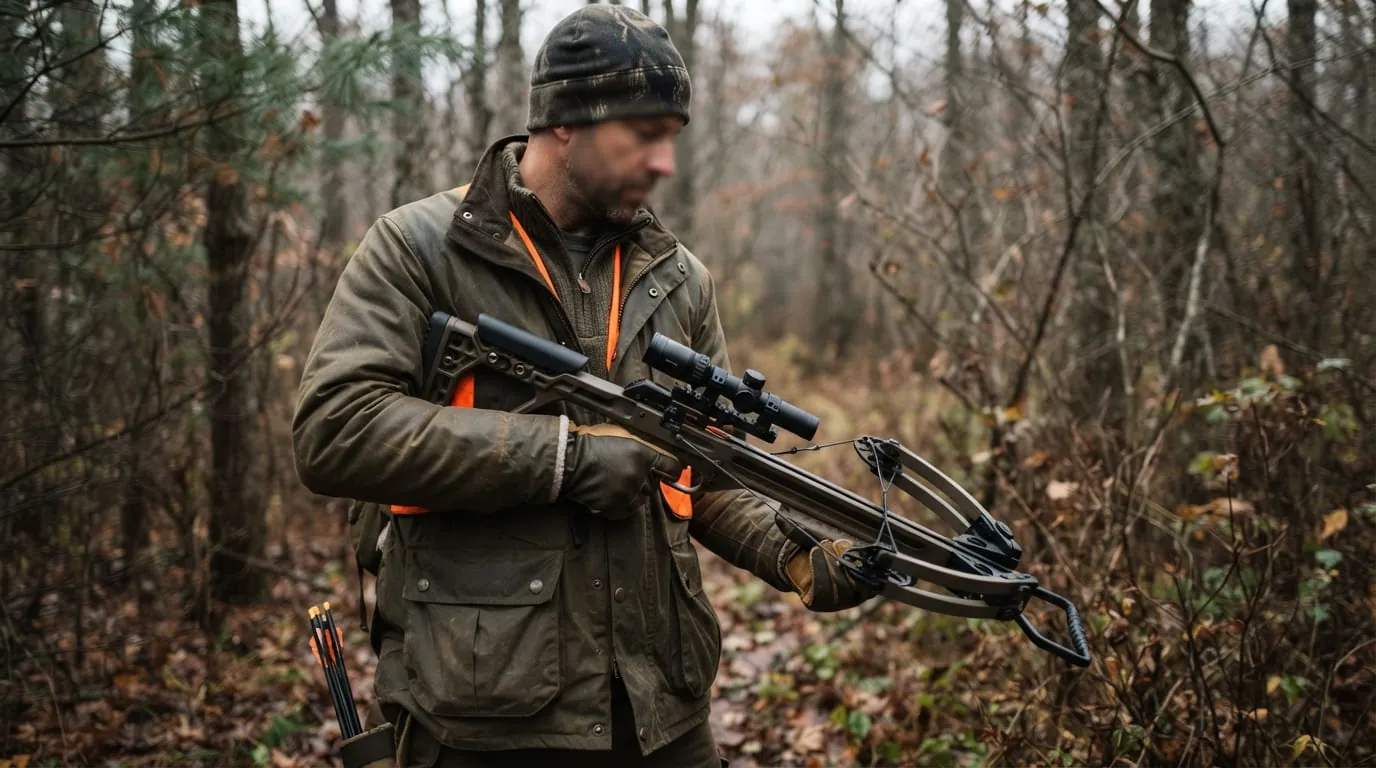
How to Decock a Crossbow Safely
How to de-cock a crossbow safely using integrated systems or a discharge bolt into a rated target, plus what never to do and how to fix common mistakes.
Read guide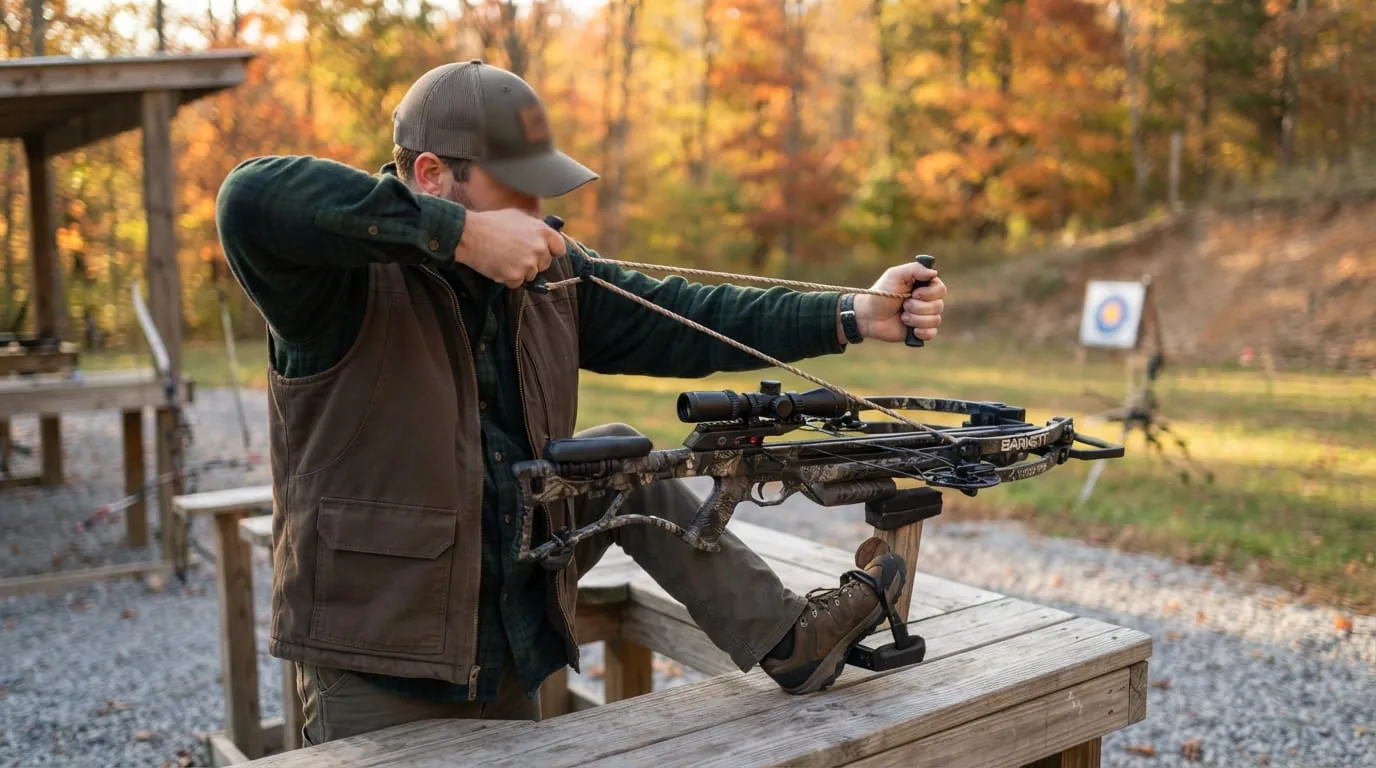
How to Cock a Crossbow: Rope vs Crank
Hand cocking, rope cocking, crank devices and integrated systems compared, with the steps that keep the string centered and your fingers clear.
Read guide