Crossbow Limb in plain terms
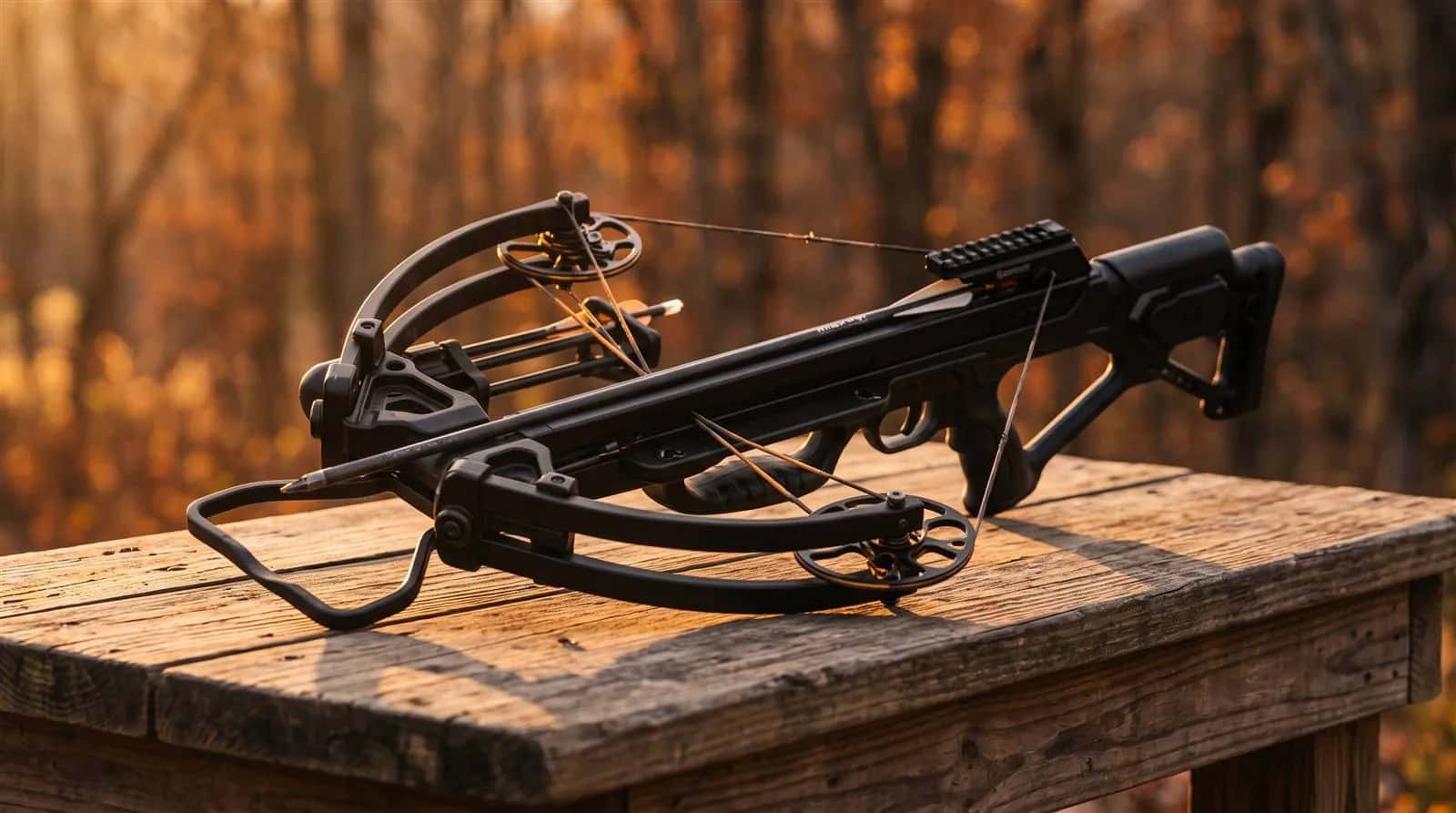
Crossbow Limb meaning: Crossbow limbs are the two flexible arms at the front of the bow that bend as the string is drawn, store that energy and release it to drive the bolt.
Also called: crossbow limbs, limb assembly, split limbs, quad limbs, parallel limbs
A limb is one of the two flexible arms mounted on either side of the front of a crossbow. When the string is drawn back to the latch, the limbs bend and store energy. When the trigger releases the string, the limbs spring back and transfer that energy to the string, which pushes the bolt down the rail.
Limbs are made from layered fibreglass, carbon or composite materials. On a recurve crossbow the limbs curve away from the shooter at the tips and the string attaches directly to them. On a compound crossbow the limbs are stiffer and shorter, and the string and cables run over cams or wheels at their tips, which is how a compound reaches high speeds with a compact frame.
You will also see limb layouts described as split limbs, quad limbs or parallel limbs. These describe how many limb arms are used and how they move. They affect balance, vibration and how wide the front end becomes, but the basic job is the same: store energy, then give it back as quickly and consistently as possible.
Common limb layouts and what they change
Manufacturers use different names for similar ideas. This table summarises the general differences, not any single brand.
| Layout | How it works | Typical effect |
|---|---|---|
| Recurve limbs | Single curved arm each side, string attached to the tips | Simple, few moving parts, longer and wider frame |
| Split limbs (compound) | Two thin arms per side forming a fork around the cam | Stable cam mounting, lower noise potential |
| Quad limbs | Two limb pairs stacked on each side | Strong energy storage in a short frame |
| Parallel limbs | Limbs move more in line with the rail than outward | Narrower cocked width, less side movement |
Why it matters
The limbs set the ceiling for how much energy a crossbow can store. Their stiffness, length and material determine draw weight (the cocking effort estimator shows what that weight feels like by hand, rope or crank), how efficiently energy reaches the bolt, and how much vibration is left in the frame after the shot.
Limbs are also the part that can be damaged by mistakes. Dry-firing, a damaged string or an unevenly cocked string loads the limbs unevenly and can crack or delaminate them. A cracked limb is a safety issue and a repair that should go to the manufacturer.
How to read it on a spec sheet
- Look for the limb type in the spec list: recurve, split, quad or parallel. It tells you how the energy is stored and roughly how wide the front end will be.
- Compare the draw weight figure with the power stroke. A long power stroke lets limbs reach a given speed at a lower draw weight.
- Check the axle-to-axle width both cocked and uncocked, because limbs flex inward as the string is drawn.
- Read the warranty wording. Limbs are often covered for longer than strings and cables, and the terms usually require manufacturer service for repairs.
- Note whether the limbs are described as adjustable. Many modern limbs are fixed at the factory and are not meant to be changed by the owner.
Common mistakes
- Dry-firing, which releases the string with no bolt and sends the energy back into the limbs. See dry-fire for the reasons and the symptoms.
- Ignoring a small crack or a white stress line on the limb surface and continuing to shoot.
- Storing a crossbow cocked for long periods, which keeps the limbs under load without any need.
- Treating draw weight as the only measure of power and overlooking limb efficiency and power stroke.
- Attempting limb repairs or press work at home instead of using a dealer or the maker.
How to inspect limbs at home
- Before you inspect, make sure the crossbow is uncocked and unloaded with the safety on (follow your manual for de-cocking if needed), then look along each limb from the tip back toward the riser in good light, checking for cracks, splinters, white stress lines or peeling finish.
- Compare the left and right limbs. They should look symmetrical in angle and finish.
- Run a gloved finger along the edges to feel for rough spots or raised fibres.
- Check the limb bolts and pocket area for movement or gaps, and note anything loose for service rather than tightening it yourself unless the manual says to.
- If anything looks wrong, stop shooting and contact the manufacturer or dealer.
See it in our reviews
- Excalibur Mag Air — rated 3.4/5
- TenPoint TX Ultra 29.5 — rated 4.5/5
Frequently Asked Questions
What do crossbow limbs do?
Crossbow limbs flex when the string is drawn and store energy, then spring back on release to accelerate the string and bolt. Their stiffness and design largely decide draw weight, speed and how much vibration the frame produces.
What are crossbow limbs made of?
Most are laminated fibreglass, carbon fibre or composite layers bonded together. Manufacturers choose layups for strength, weight and consistency, and they usually keep the exact materials as proprietary information, so check the maker's description.
Can you replace crossbow limbs?
Some designs allow limb replacement, but it usually needs the right tools, a press and manufacturer parts. Most makers want repairs done by an authorised service centre, so follow your manual and warranty terms rather than doing it yourself.
How long do crossbow limbs last?
With normal use and care, limbs can last many years. Lifespan depends on draw weight, how often the crossbow is shot, storage habits and avoiding dry-firing. Regular inspection catches damage before it becomes a safety problem.
What happens if a limb cracks?
A cracked limb can fail under load, so stop using the crossbow immediately. Uncock it safely according to the manual, do not shoot it, and contact the manufacturer or an authorised dealer for inspection.
Are split limbs better than recurve limbs?
Neither is better in every way. Split-limb compounds usually deliver more speed from a shorter frame, while recurve limbs are simpler and have fewer parts to maintain. The right choice depends on size, budget and upkeep tolerance.
How much draw weight do crossbow limbs hold?
Most hunting crossbows are rated between about 150 and 300 lbs of draw weight, and faster compounds sit at the upper end: the TenPoint Flatline 460 is rated at a 300 lb draw weight. The limbs hold all of that force while cocked, which is why cracks and dry-fires matter so much.
Does limb length affect accuracy?
Limb design affects balance, vibration and how the string travels, which can influence consistency. Accuracy also depends on the trigger, scope, bolt quality and shooter, so no single limb feature guarantees tight groups.
Related guides
Guides where limb shapes a real choice.
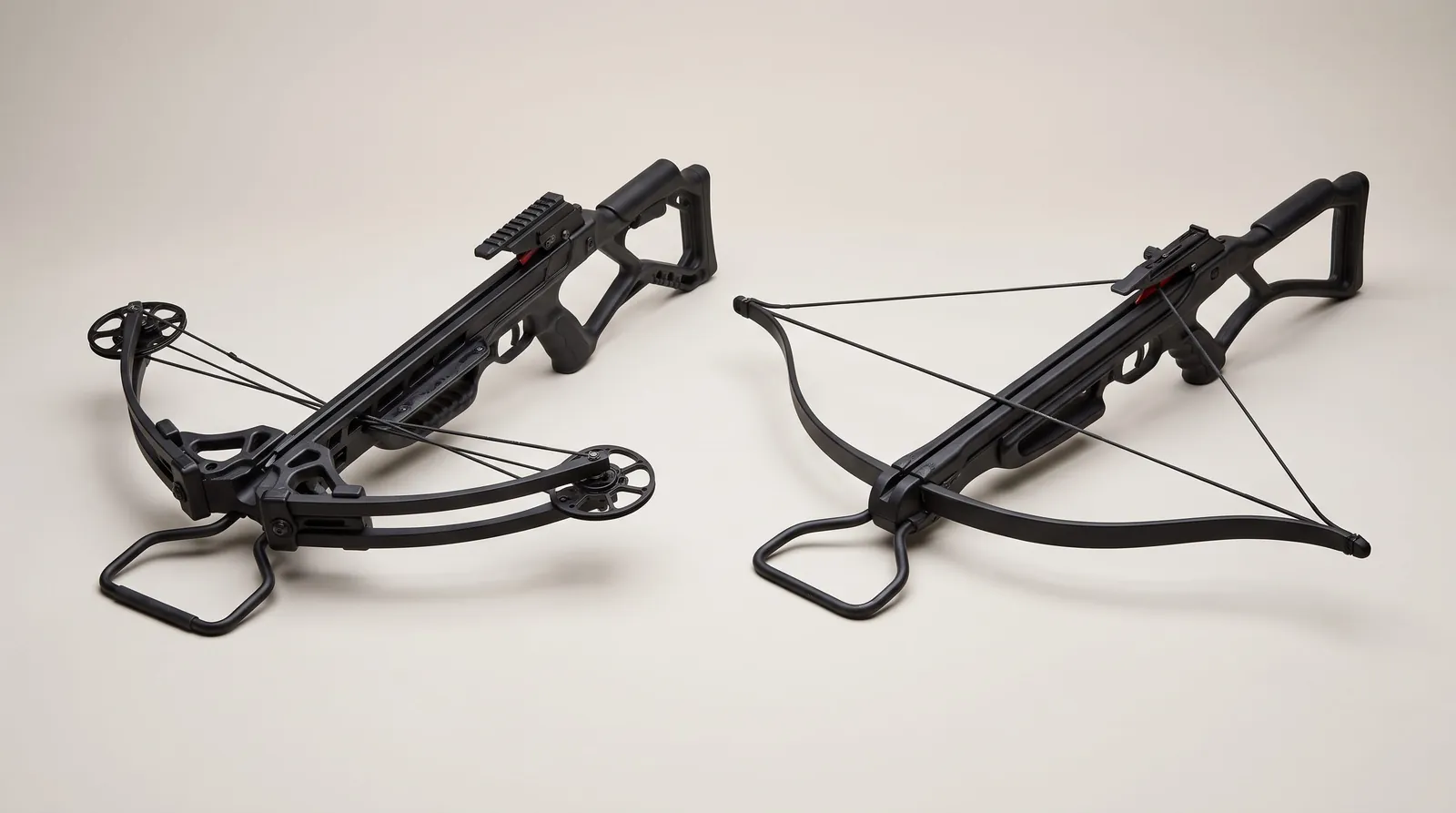 GuideCompound vs Recurve Crossbow: 2026 ComparisonChoose a compound for shots past 40 yards, easy cocking or tight spots. Choose a recurve if price, light weight and simple upkeep matter more.Read the guide
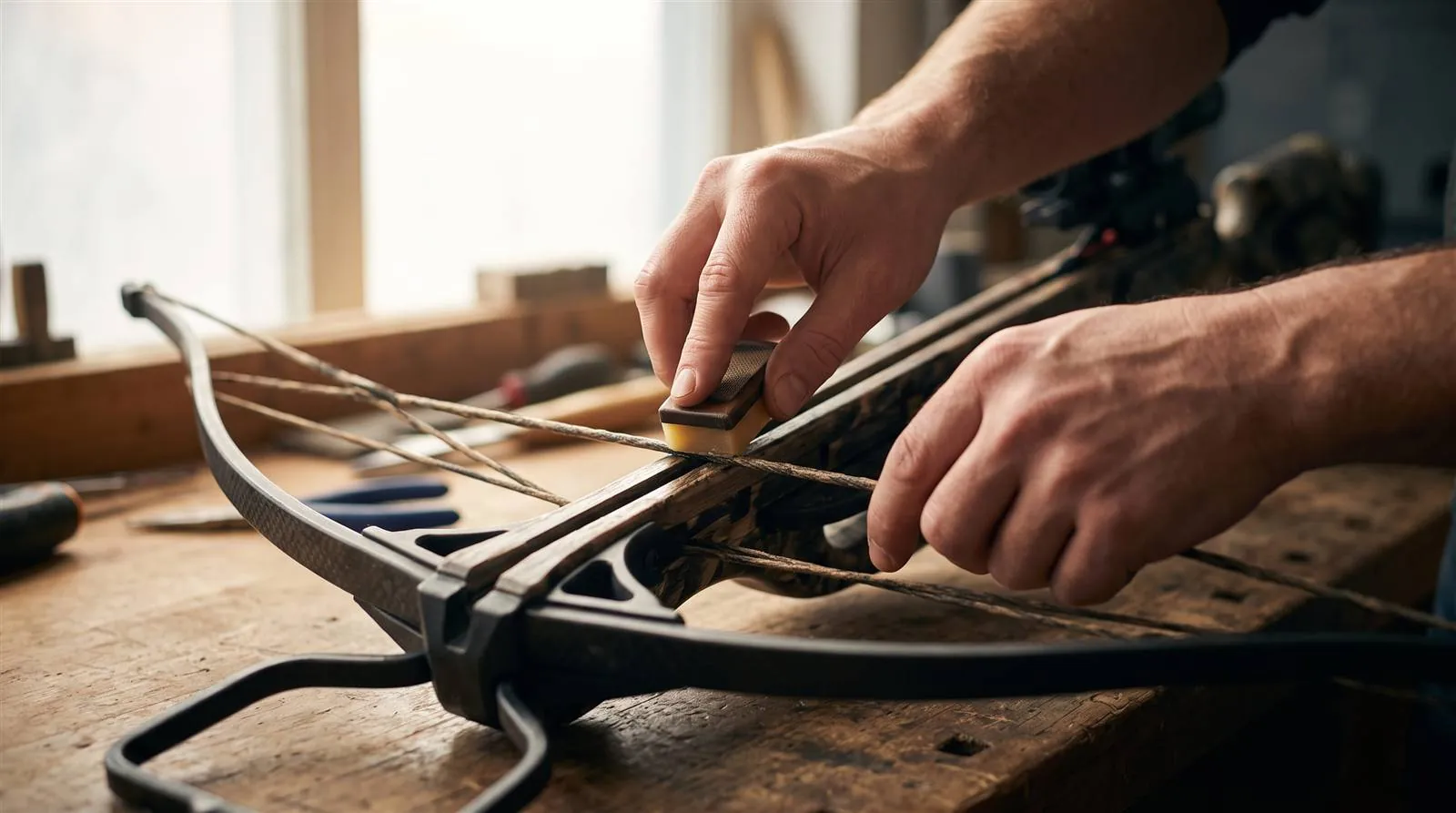 GuideCrossbow Maintenance: Wax, Lube, StoreA crossbow maintenance schedule covering the five-minute pre-shoot check, string waxing, rail lubrication, limb and cam inspection, and storage.Read the guide
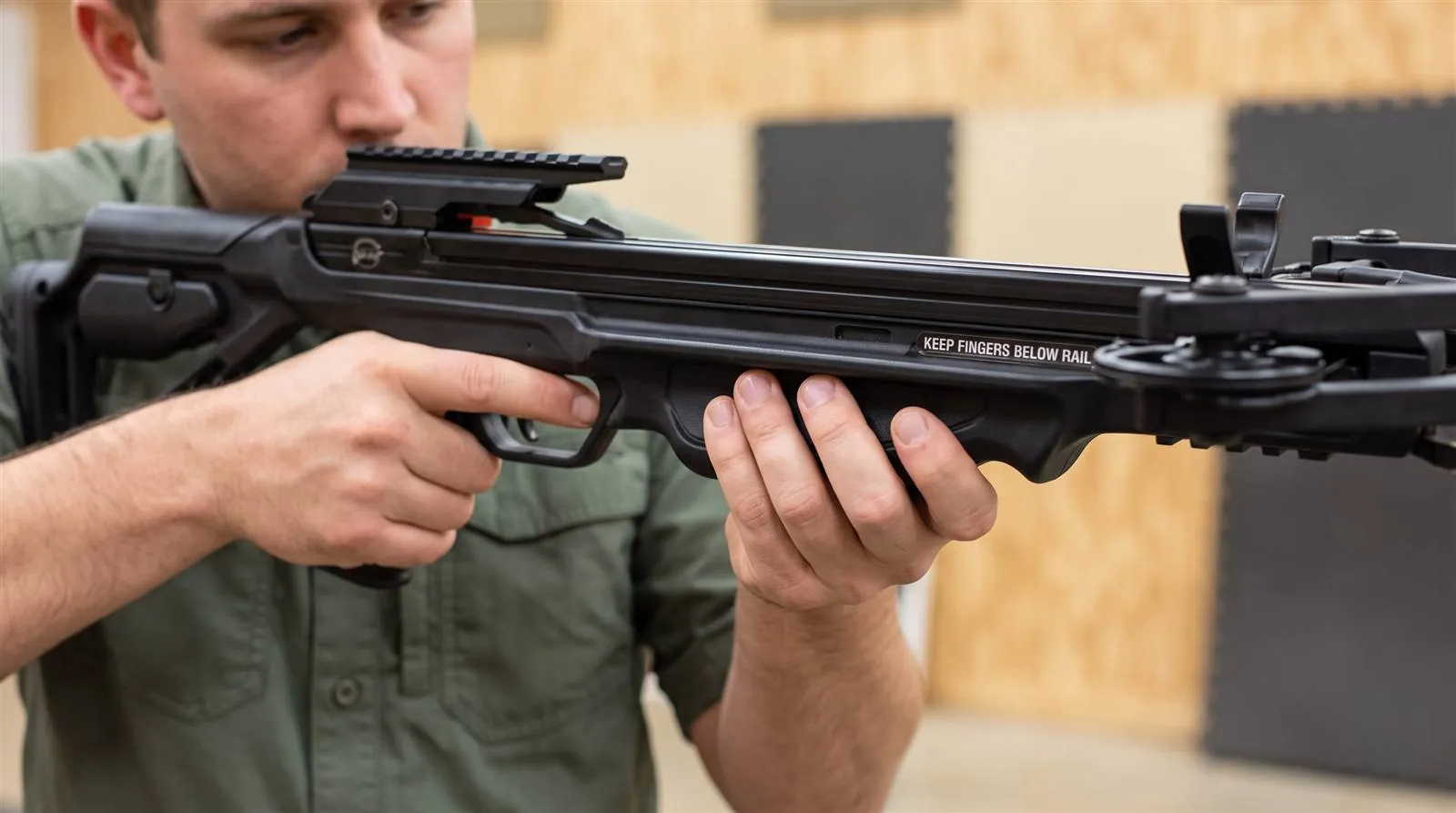 GuideCrossbow Safety Rules for BeginnersCore crossbow safety rules: finger placement below the rail, avoiding dry fire, treating a cocked crossbow as loaded, safe cocking and safe de-cocking.Read the guide
Definitions are general information. Manufacturer figures vary, so follow your crossbow's manual and verify local laws with the relevant authority.