Crossbow Bolt in plain terms
Crossbow Bolt meaning: A crossbow bolt is the projectile a crossbow shoots: a short carbon or aluminum shaft with a nock, vanes and a tip, often sold as an arrow.
Also called: crossbow arrow, arrow, quarrel, crossbow bolts
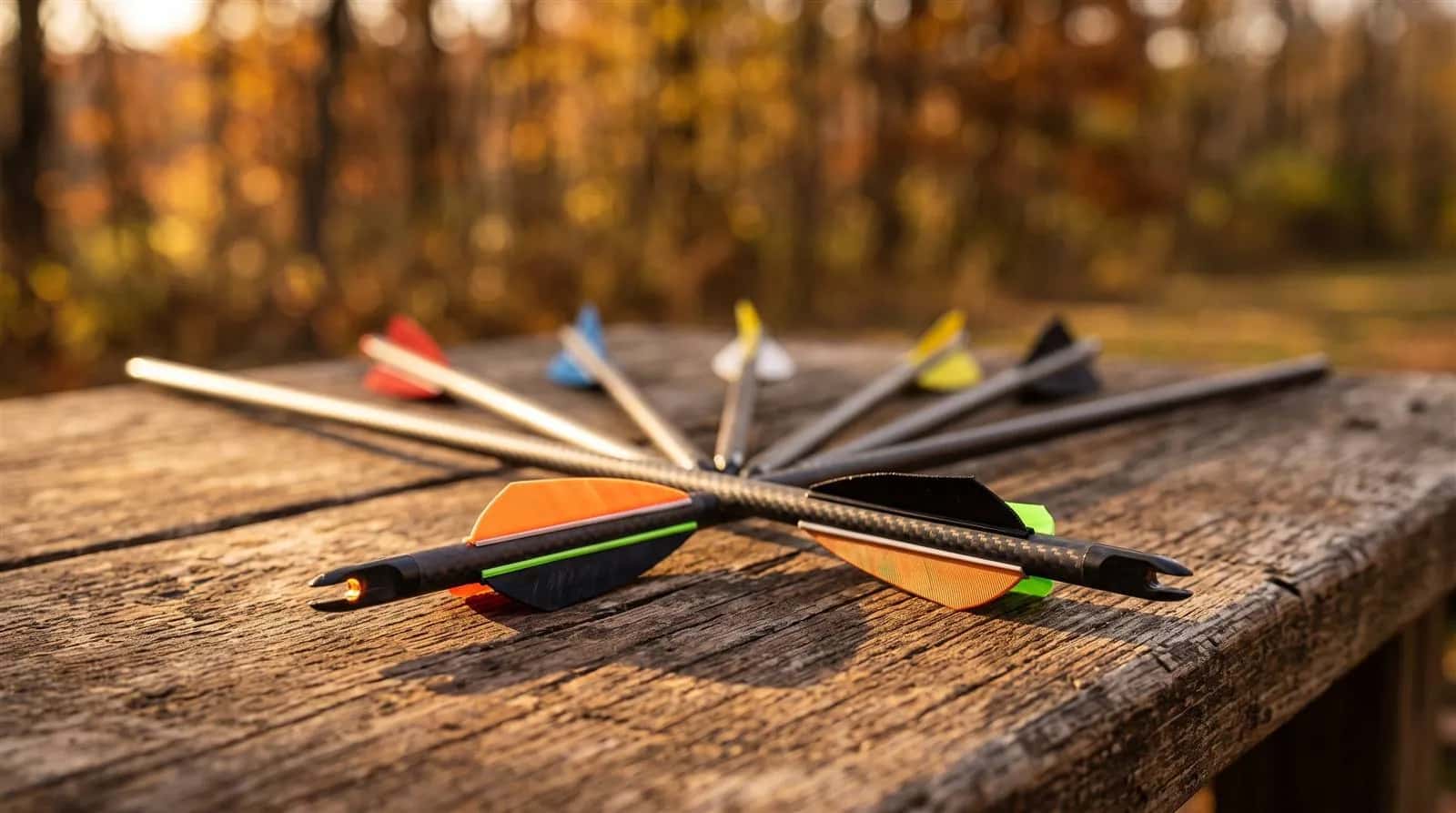
A crossbow bolt is the projectile a crossbow fires: a short shaft (usually carbon, sometimes aluminum) with a nock at the rear that engages the string, fletching (vanes) to stabilise flight, and a tip at the front. The tip is either a field point for practice or a broadhead for hunting, and it threads into an insert in the front of the shaft.
Many shooters use "bolt" and "arrow" interchangeably, and retailers often label the same product both ways. The practical difference is that crossbow bolts are shorter and usually heavier than the arrows used with vertical bows, and they are built for the load and the string path of a crossbow. A bolt is a safety-relevant part: the manual states a rated length and a minimum weight, and those are limits, not suggestions.
Because the bolt is the only part that leaves the crossbow, it decides how well your speed, energy and sighting setup turn into a hit. Length, weight, balance (FOC), straightness, nock fit and tip all matter, and they need to be consistent from one bolt to the next.
Bolt weight in grains and ounces
Ounces = grains ÷ 437.5 (one ounce is 437.5 grains)
A 400-grain bolt weighs 400 ÷ 437.5 ≈ 0.91 oz. Run through the energy formula at 350 FPS, 400 × 350² ÷ 450,240 gives about 109 ft-lbs, so a small change in either grain weight or speed shows up directly in kinetic energy. The kinetic energy calculator runs the same sum for your own bolt weight and speed.
Bolt specifications from the bolts we have reviewed
The same words (length, weight, nock) mean different things on different products. These are the manufacturers' rated figures, as listed in each review.
| Bolt | Length | Weight | Nock | Notes |
|---|---|---|---|---|
| Ravin R133 lighted | 20 in | 400 grains with a 100-grain field tip | Lighted nock, Ravin platforms only | .003-inch straightness, 2-inch offset vanes |
| Carbon Express PileDriver | 22 in | Per-bolt weight not published | Universal Nock System (moon and C-Nock) | Rated .004-inch straightness, 4-inch vanes |
| REEGOX | 16, 18 or 20 in | 368, 380 or 425 grains by length | Press-fit moon nock | 125-grain removable target point, 8-32 UNC thread |
Why it matters
A crossbow can only be as accurate as the bolts feeding it. Two bolts that look identical but differ by several grains or have a slightly bent shaft can land in different places at 40 or 60 yards, which is why serious shooters sort and mark their bolts. Consistency within a set is usually worth more than a headline number on the box.
Bolt choice also affects the equipment. Shooting a bolt that is too light, too short or fitted with the wrong nock can damage limbs and strings or release the bolt badly. Bolt weight changes speed and energy, and it moves the point of impact, so a new bolt means checking your zero again.
How to read it on a spec sheet
- Start with the length and minimum weight in your crossbow manual. Any bolt below those limits is the wrong bolt, however good it looks.
- Read the weight as the total built weight (shaft, nock, insert, vanes and tip) and note which tip it includes. The R133 figure, for example, is stated with a 100-grain field tip.
- Look for the straightness tolerance, written as a fraction of an inch such as .003 or .004. Lower means straighter, and it matters more as distance grows.
- Check the weight tolerance (for example plus or minus two grains) and whether the bolts are sorted into matched sets.
- Confirm the nock style and the insert thread. A thread that fits your broadhead is as important as the shaft.
- Check compatibility notes. Some bolts are built for a specific platform and are listed as unsuitable for others.
Common mistakes
- Buying by length alone. Two 20-inch bolts can differ in nock type, insert thread and weight, and only one may suit your crossbow.
- Shooting bolts lighter than the manual allows because they are faster. A light bolt leaves more energy in the limbs and string.
- Using a bolt with a cracked shaft, loose insert or damaged nock. Retire it rather than hoping it holds.
- Mixing bolt brands or weights in one session and then judging group size. Change one thing at a time when you check your groups.
- Assuming a bolt that was accurate in field-point form will land in the same place with a broadhead. Check, do not assume.
Inspect a bolt before every session
- Run your fingers down the shaft and look for cracks, splinters or dents. Retire anything damaged.
- Roll the bolt on a flat, hard surface and watch the tip for wobble.
- Check the nock for cracks and make sure it is seated firmly.
- Make sure the tip is tight in the insert and that the vanes are firmly attached and undamaged.
- Compare the length and weight with the figures in the manual, and mark bolts that came from the same matched set.
Frequently Asked Questions
What is the difference between a crossbow bolt and an arrow?
Both words describe the projectile. "Bolt" is the traditional crossbow term, and "arrow" is common in retail listings. Crossbow bolts are usually shorter and heavier than arrows for vertical bows and must meet the length and weight limits in the crossbow manual.
Can I shoot regular bow arrows from a crossbow?
Generally no. Bow arrows are the wrong length and weight, and the nock usually will not suit a crossbow string. Use bolts that match the manufacturer specifications in your manual, and follow it for anything it does not state.
How heavy should a crossbow bolt be?
It depends on the crossbow. Every manufacturer states a minimum bolt weight, and the bolts we review are rated from 368 to 425 grains where a weight is published. Stay at or above your minimum, then pick the weight that gives the speed and energy you want.
What are crossbow bolts made of?
Most are carbon because it is light, strong and holds a tight straightness tolerance. Aluminum bolts are also made and are often cheaper. Hardware such as the insert and nock bushing is frequently aluminum, and vanes are plastic or similar material.
How often should I replace crossbow bolts?
There is no fixed interval. Replace a bolt when you see cracks, bends, a loose insert, a damaged nock or worn vanes, or after a bad impact. Inspect each bolt before every session instead of relying on a count of shots.
Do I need to change my scope zero when I change bolts?
Yes, check it. A different bolt weight changes speed and trajectory, so the point of impact shifts. Re-check your zero after any change of bolt, tip or nock, and again at the start of each season.
Why is my new bolt grouping wider than my old one?
Common causes include a looser straightness tolerance, weight differences within the set, a nock that does not fit the string well, or a tip that is not seated. Change one variable at a time and shoot five-bolt groups to isolate it.
What size crossbow bolts do I need?
The length printed in your crossbow manual, at or above its minimum weight. Most bolts we review are 20 inches, with 16- and 18-inch REEGOX variants for smaller crossbows and the 22-inch PileDriver at the long end. Length is a limit, not a preference.
Related guides
Guides where bolt shapes a real choice.
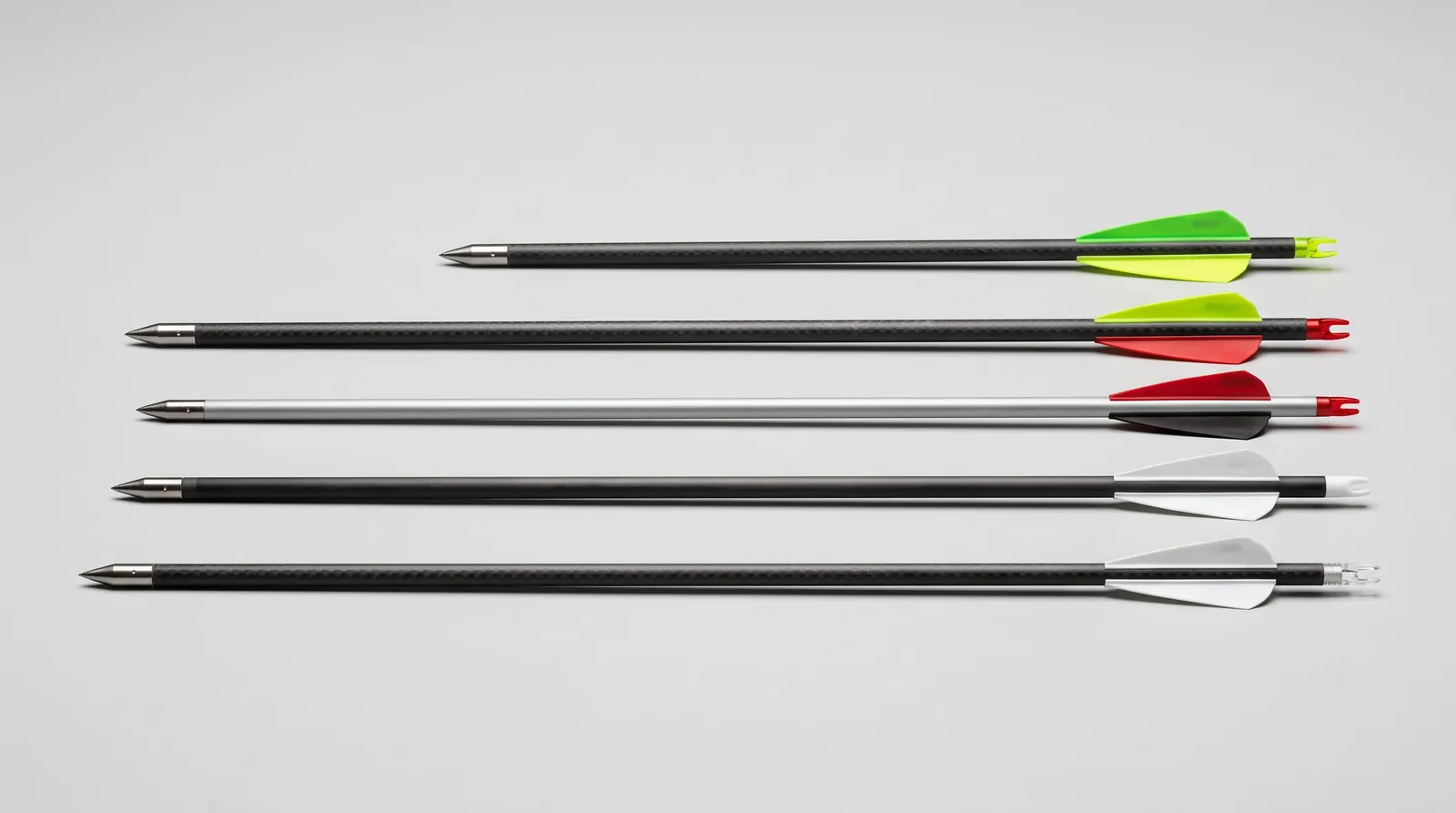 GuideHow to Choose Crossbow Bolts in 2026: Sizing GuideA six-step method for choosing crossbow bolts by length, grain weight, nock and spine, with a size chart and a worked example.Read the guide
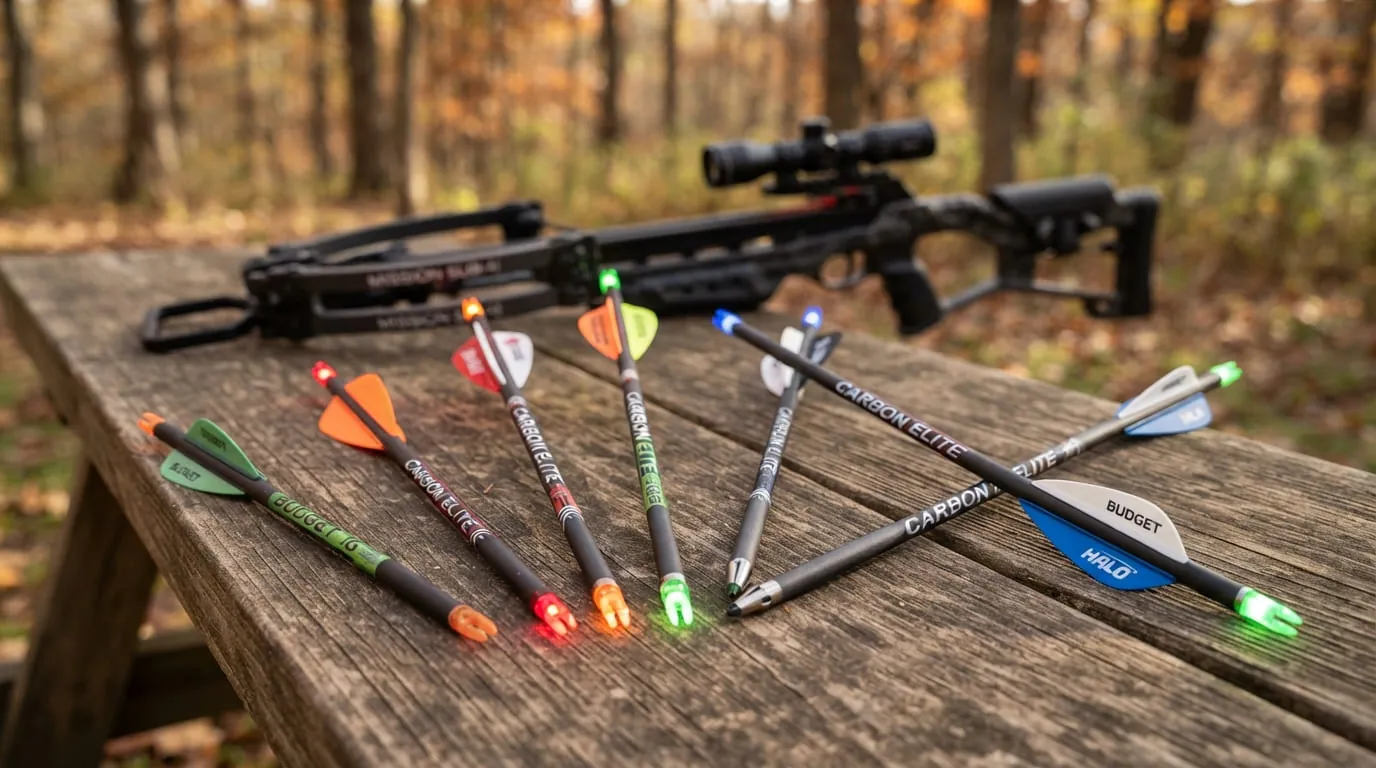 GuideBest Crossbow Bolts in 2026 for Hunting and PracticeCrossbow bolts for hunting and practice compared by grain weight, length, nock and straightness, from 12-pack practice bolts to weight-matched carbon.Read the guide
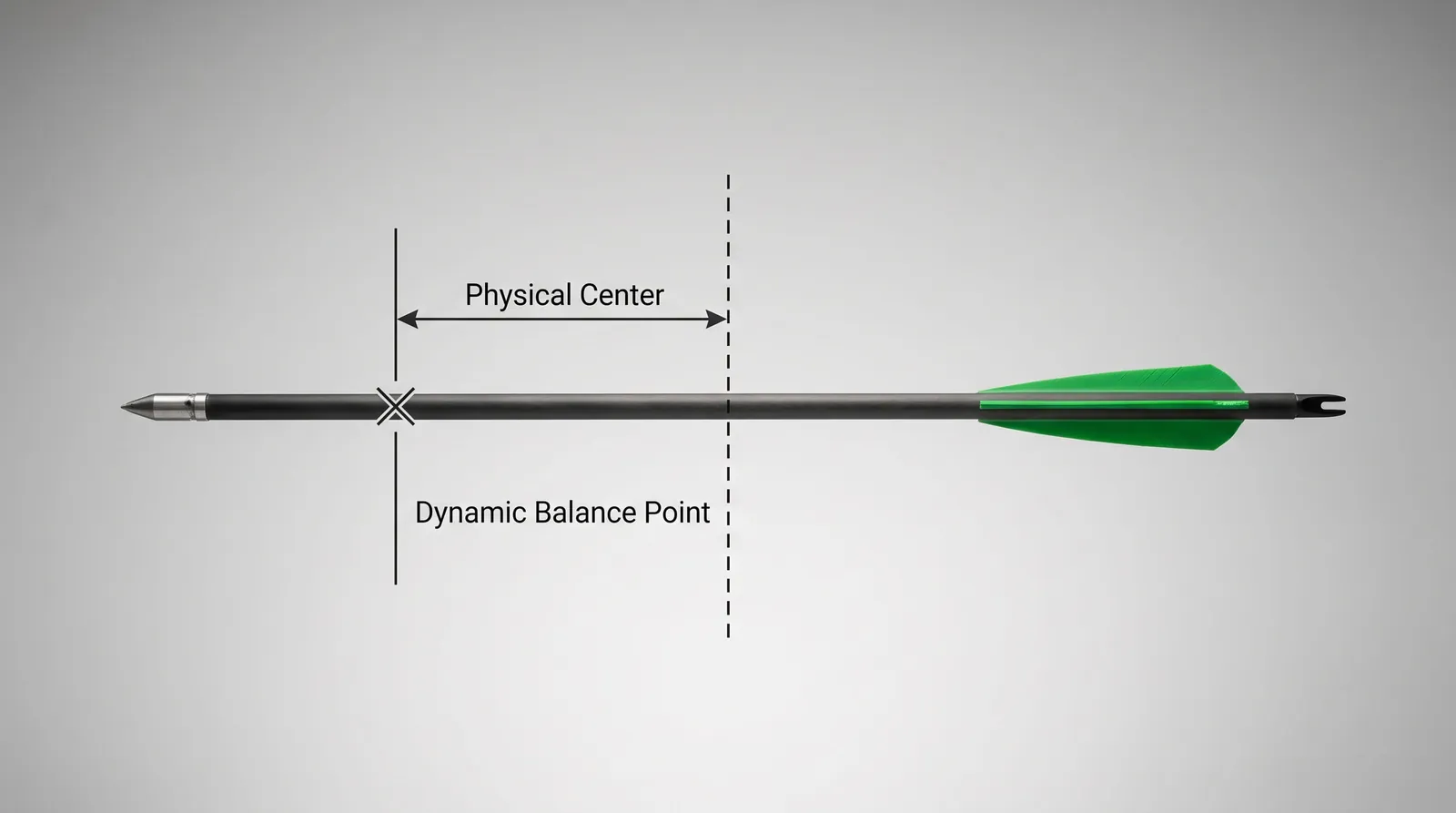 GuideCrossbow Bolt FOC Explained for HuntersFront of center (FOC) explained for crossbow bolts: how to calculate it, what changes it and how it affects flight, with published figures for common bolts.Read the guide
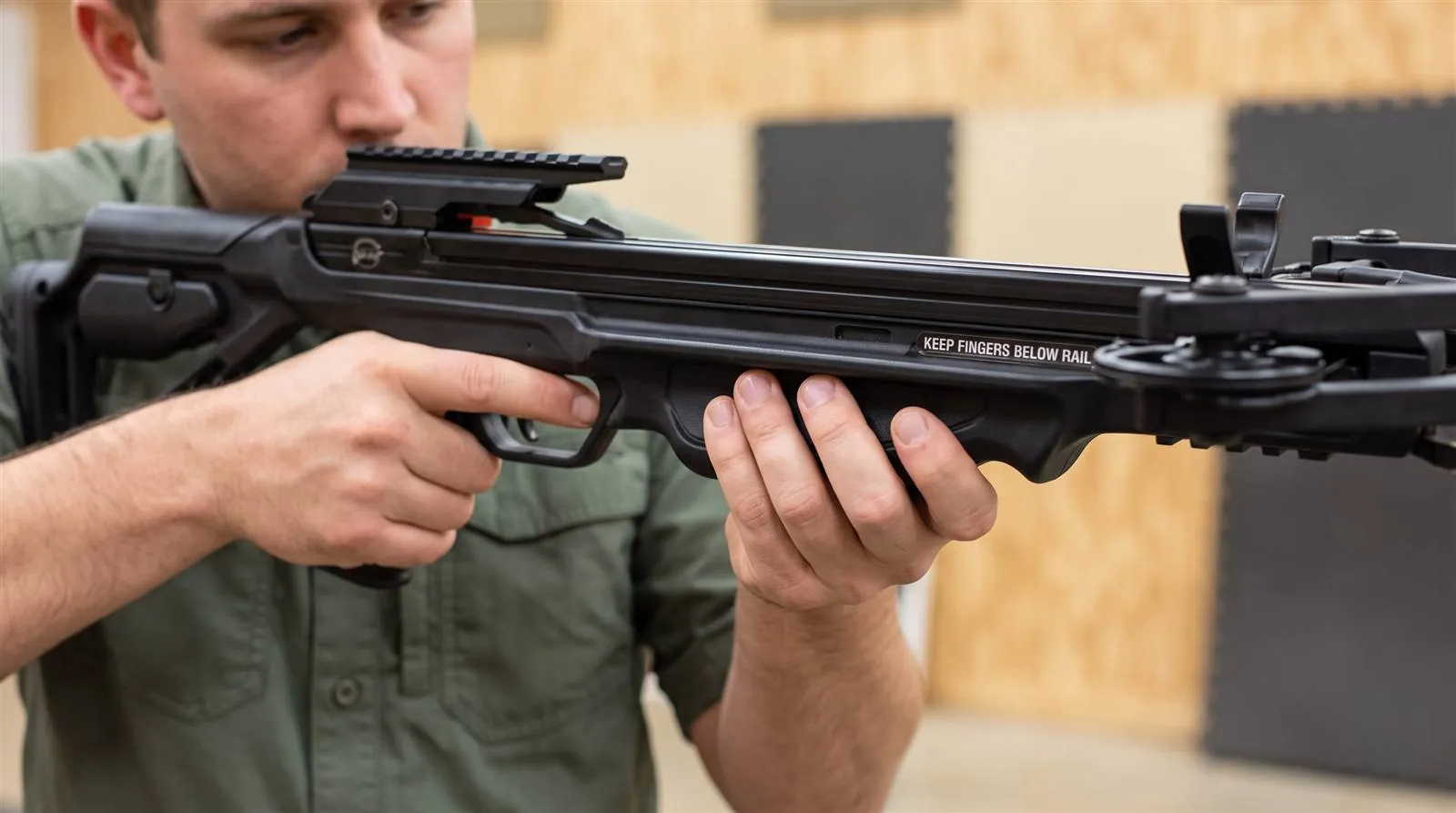 GuideCrossbow Safety Rules for BeginnersCore crossbow safety rules: finger placement below the rail, avoiding dry fire, treating a cocked crossbow as loaded, safe cocking and safe de-cocking.Read the guide
Definitions are general information. Manufacturer figures vary, so follow your crossbow's manual and verify local laws with the relevant authority.