Crossbow Fletching (Vanes) in plain terms
Crossbow Fletching (Vanes) meaning: Fletching is the set of vanes at the back of a crossbow bolt that steadies its flight, usually three plastic vanes about 4 inches long.
Also called: vanes, crossbow vanes, bolt fletching, fletch
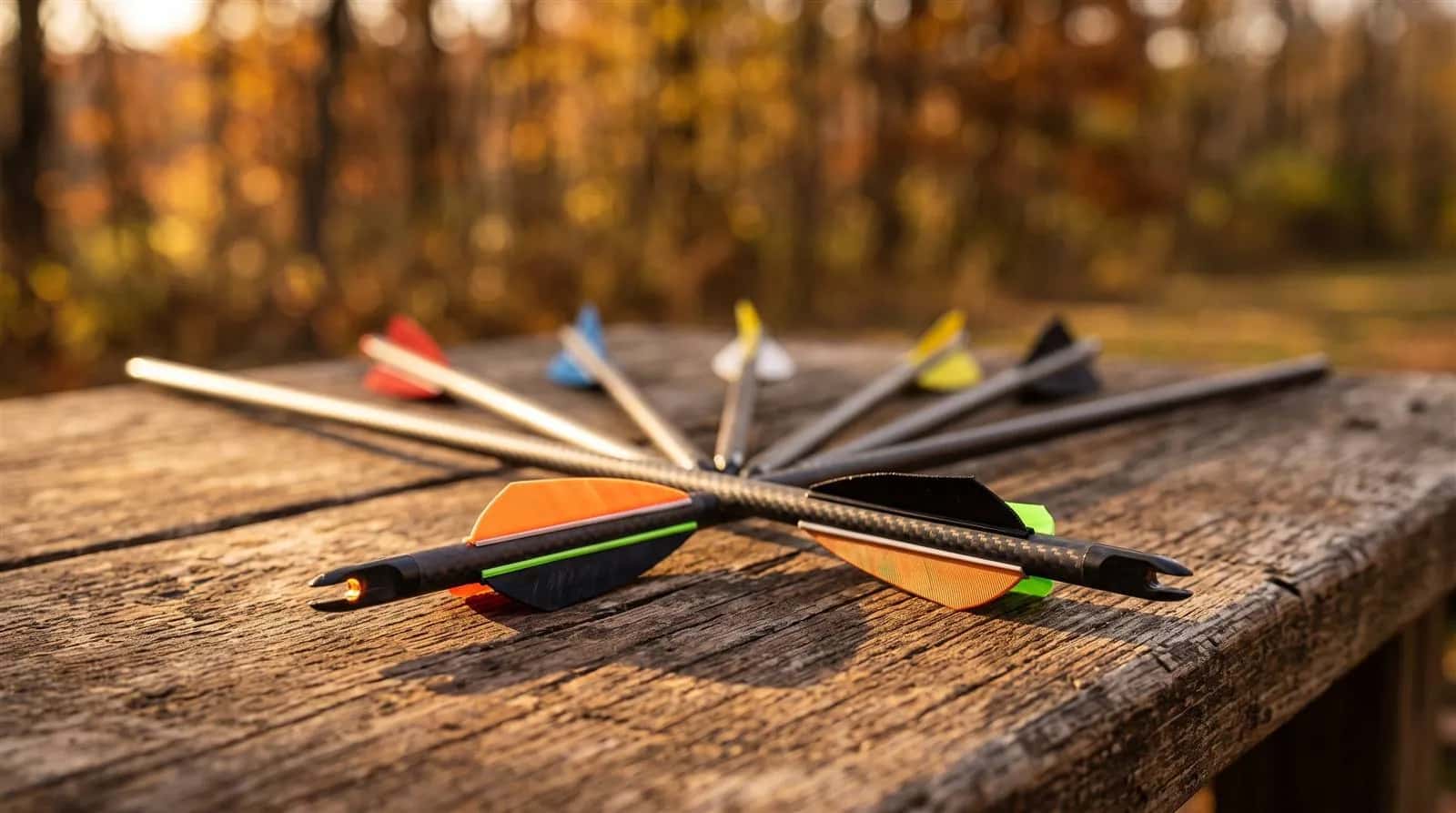
Fletching is the set of fins glued to the rear of a bolt, just ahead of the nock. On crossbow bolts these are almost always plastic vanes rather than feathers, because vanes stand up to weather and to the fast, hard launch of a crossbow string.
The vanes create drag at the back of the bolt, which keeps the heavy front end leading and stops the shaft from wobbling or tumbling. Most crossbow bolts carry three vanes, often around 4 inches long, set at an angle (offset) or a slight curve (helical) so the bolt spins a little in flight.
One vane is usually a different colour, the cock vane, and many crossbows require the bolt to be loaded with that vane pointing down into the barrel groove or in a set orientation so the other vanes clear the rail.
Common vane choices on crossbow bolts
| Option | What it does | Trade-off |
|---|---|---|
| Larger vanes (about 4 in) | More steering, steadier flight with broadheads | More drag and slightly more noise |
| Smaller or low-profile vanes | Less drag, flatter flight downrange | Less control of large broadheads |
| Offset or helical | Adds spin for stability | Slightly more drag than straight vanes |
| Straight vanes | Least drag | Less spin to stabilise the bolt |
Why it matters
Fletching does most of the work of keeping a bolt flying straight, especially once a broadhead is on the front. Broadheads have blades that can steer a bolt, and enough vane area keeps that steering under control.
Damaged fletching is a common, easy-to-miss cause of flyers. A torn, lifted or flattened vane changes how the bolt flies, so one bolt starts landing away from the group while the rest look fine.
Orientation affects safety and accuracy. Loading the bolt with the cock vane the wrong way can make the vanes strike the rail or the string, damage them and send the bolt off line. In my review of the Carbon Express PileDriver, its 4-inch Fusion Vanes gave stable flight and forgiving recovery from small form errors.
How to read it on a spec sheet
- Check vane length, usually in inches, and the number of vanes; three is standard on crossbow bolts.
- Look for the cock vane colour and the orientation your crossbow's manual requires.
- Note whether vanes are straight, offset or helical.
- Compare vane profile with the broadheads you plan to use; larger fixed blades usually want more vane area.
- Check whether the bolts are sold pre-fletched or as bare shafts.
Common mistakes
- Loading the bolt with the cock vane in the wrong position for the crossbow.
- Shooting bolts with torn, lifted or bent vanes and blaming the scope for the flyer.
- Storing bolts loose in a bag so the vanes crush against each other.
- Changing to much smaller vanes without checking broadhead flight first.
- Re-gluing a vane by eye without a fletching jig, which leaves it misaligned.
Checking fletching before you shoot
- Run a finger along each vane and look for tears, lifting edges or flattening.
- Check that each vane is still firmly glued along its full length.
- Confirm the cock vane colour and how your crossbow wants it loaded.
- Store bolts in a quiver or case that keeps the vanes apart.
- Replace or re-fletch damaged bolts before using them for hunting.
Frequently Asked Questions
What are vanes on a crossbow bolt?
Vanes are the plastic fins at the back of a crossbow bolt. They act like the tail of a dart, keeping the heavier front end leading and steadying the bolt so it flies straight to the target.
Which way does the odd-coloured vane go on a crossbow?
It depends on the crossbow. Many designs want the cock vane pointing down into the barrel groove, but some use a different orientation. Always follow your manual, because the wrong position can make the vanes hit the rail.
How long are crossbow vanes?
Many crossbow bolts use vanes around 4 inches long, though lengths vary by brand. Larger vanes steer broadheads well, while smaller ones create less drag. Use the vane size the bolt maker designed for.
Can I shoot a bolt with a damaged vane?
It is better not to. A damaged vane changes the bolt's flight and can cause flyers. For practice, mark the bolt and see if it groups; for hunting, replace or re-fletch it first.
Are feathers or vanes better for crossbow bolts?
Vanes are the normal choice for crossbows. They are more durable, handle weather better and suit the fast launch of a crossbow. Feathers are more common on traditional arrows than on crossbow bolts.
Does fletching affect broadhead accuracy?
Yes. Broadhead blades can steer a bolt, and enough vane area keeps the bolt flying straight. If broadheads land away from field points, fletching size and condition are worth checking alongside tuning.
Related guides
Guides where fletching shapes a real choice.
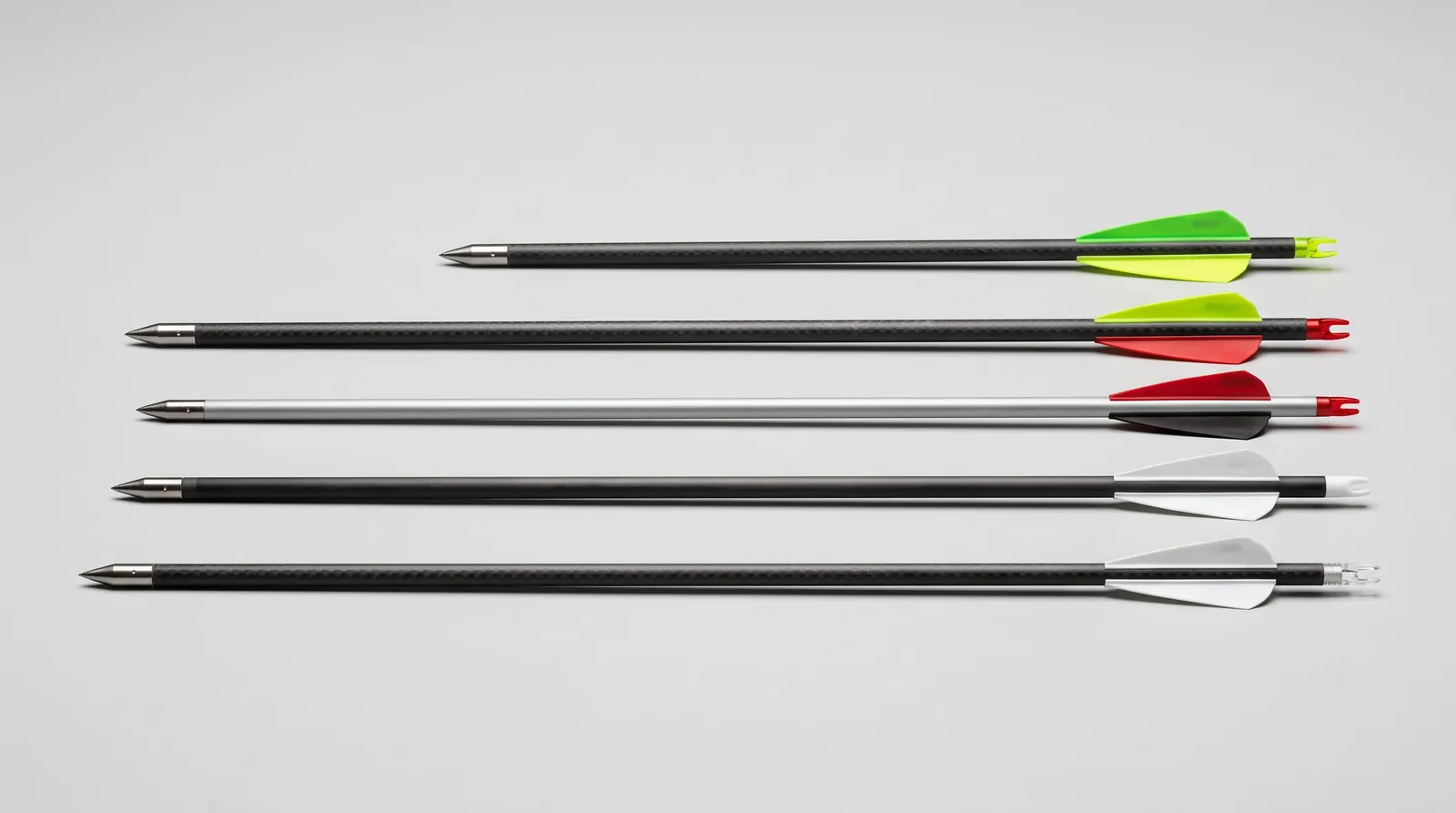 GuideHow to Choose Crossbow Bolts: SizingA six-step method for choosing crossbow bolts by length, grain weight, nock and spine, with a size chart and a worked example.Read the guide
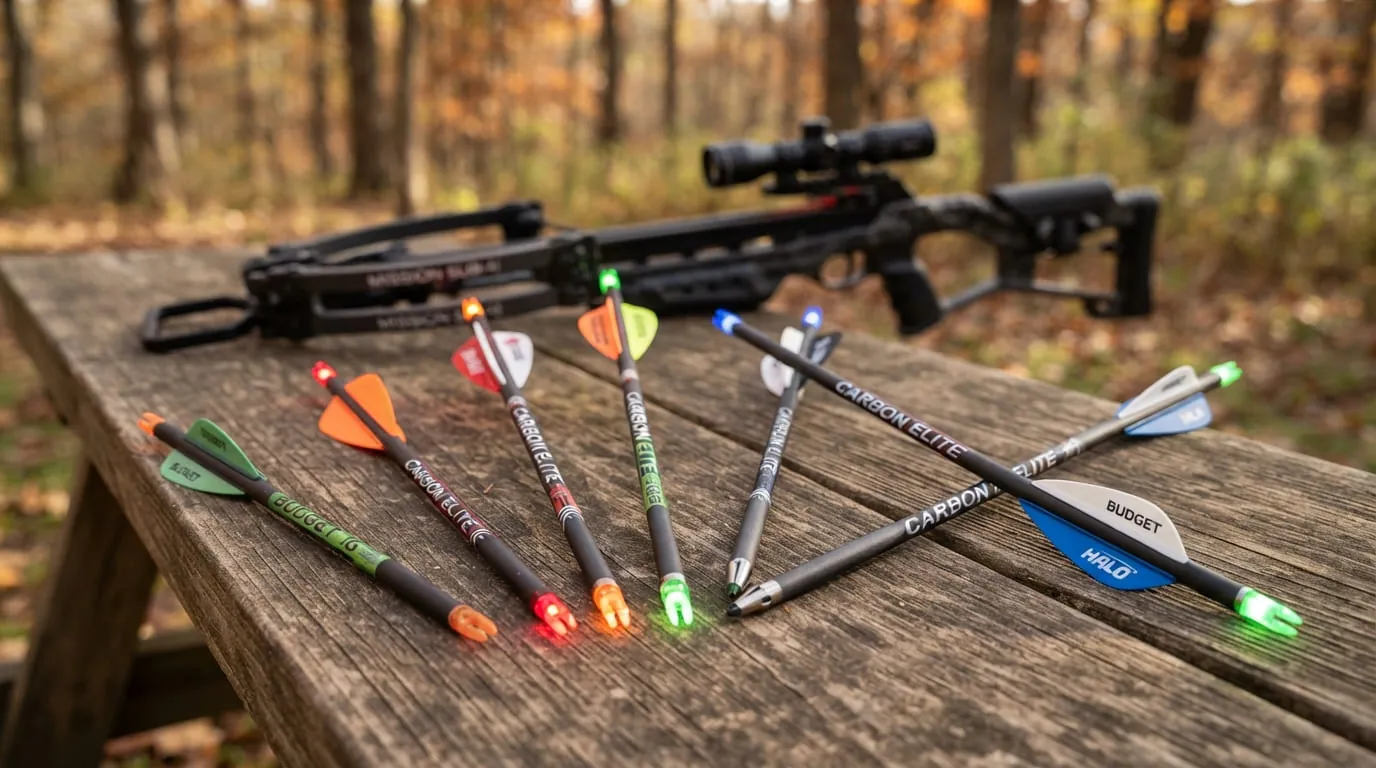 GuideBest Crossbow Bolts in 2026, TestedCrossbow bolts compared by grain weight, length, nock type and straightness, from 12-pack practice bolts to weight-matched carbon and lighted hunting bolts.Read the guide
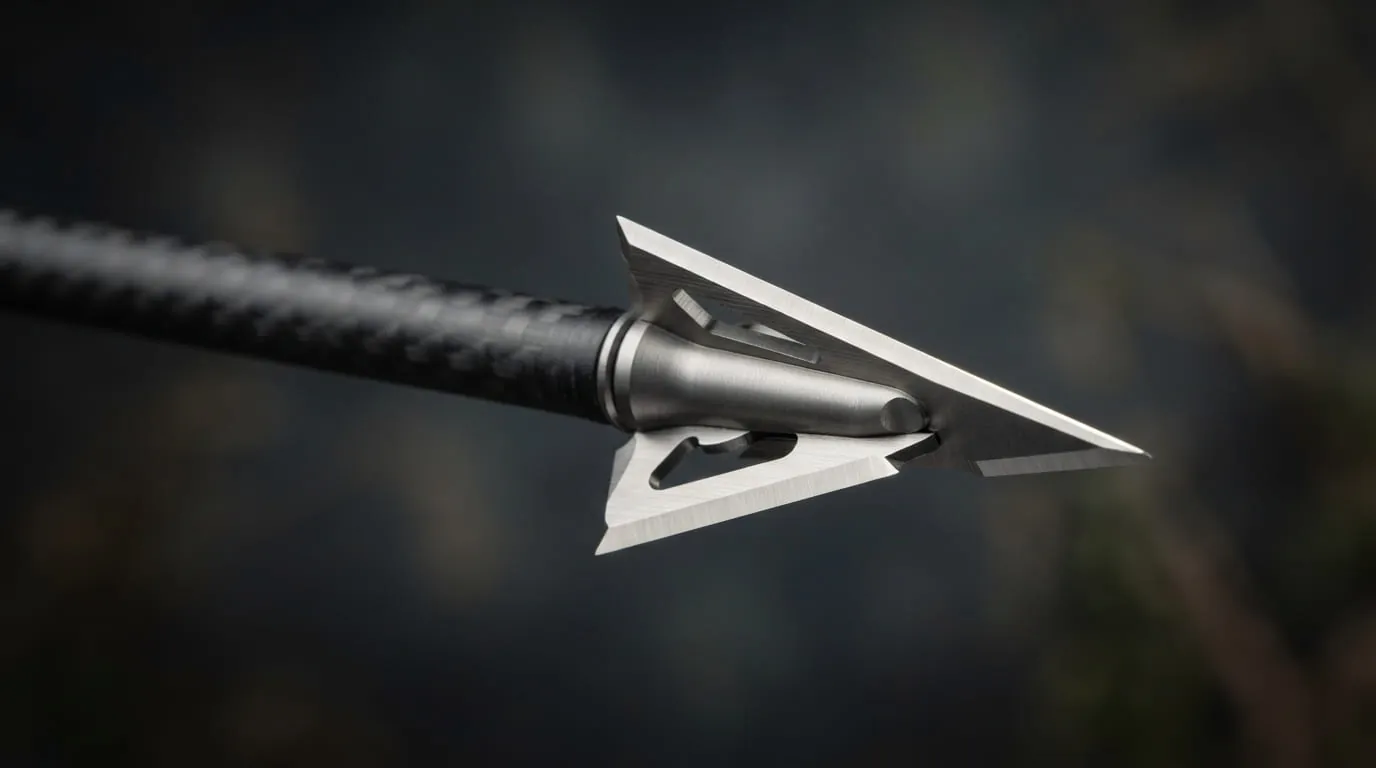 GuideFixed-Blade Broadheads for CrossbowsFixed-blade crossbow broadheads explained: single versus multi-blade designs, cutting diameter, sharpening, practice, and when to choose fixed over mechanical.Read the guide
Definitions are general information. Manufacturer figures vary, so follow your crossbow's manual and verify local laws with the relevant authority.