Crossbow Won't Fire? Causes and Fixes
Crossbow won't fire? Check the safety, bolt seating, nock type and anti-dry-fire system first, then fix accuracy, string wear and noise problems safely.

You have cocked the crossbow, loaded a bolt, taken the safety off, and the trigger will not move. It is one of the most common questions new owners ask, and the answer is nearly always simple: the safety is still engaged, the bolt is not seated against the string, or the anti-dry-fire mechanism is doing exactly what it was designed to do.
This guide walks through the causes in the order you should check them, explains what each symptom usually means, and tells you when to stop troubleshooting and hand the crossbow to the manufacturer or a qualified technician.
Quick Diagnosis Table
Work through these in order.
| Check | What to look for | Typical fix |
|---|---|---|
| 1. Safety | Safety auto-engaged when cocked | Move it fully to FIRE |
| 2. Bolt seating | Gap between nock and string | Push the bolt fully rearward |
| 3. Nock type | Nock doesn't match your model | Use the specified nock |
| 4. Bolt specs | Wrong length, weight or diameter | Use approved bolts only |
| 5. Bolt retainer | Bolt riding on top of the spring | Reload under the retainer |
| 6. Trigger | Grit, ice or old lubricant | Clean externally; no disassembly |
| 7. Cocking | String not fully latched | Do not fire; de-cock and re-cock |
1. The Safety Is Still On
Most crossbows use an automatic safety switch that engages the moment the string latch catches. If you are used to a different model, it is easy to forget it is there.
Check that the safety has travelled fully to the FIRE position. On ambidextrous designs the lever shows on both sides of the stock, and a half-moved lever can still block the trigger.
If the safety will not move at all, many designs refuse to disengage until a bolt is correctly loaded. Move on to bolt seating.
2. The Bolt Isn't Fully Seated
This is the single most common cause. An anti-dry-fire mechanism blocks the trigger system unless the bolt's nock is pressed firmly against the string. If the bolt sits even slightly forward, nothing happens when you pull.
Signs:
- The trigger feels solid and won't travel
- The safety won't disengage
- You can see a gap between the nock and the string
Fix: With the muzzle pointed safely, slide the bolt rearward along the rail until it stops firmly against the string. Check that the odd-coloured vane sits in the barrel channel if your model requires it, and that the bolt is under the retainer.
3. You're Using the Wrong Nock
Crossbow nocks are not interchangeable. Flat, half-moon and brand-specific capture nocks all exist, and lighted nocks have to be pressed fully home to sit correctly. If the nock doesn't match what your anti-dry-fire system expects, the crossbow may never register the bolt as loaded.
Check your manual for the specified nock and use only that. If you've changed nocks or bought aftermarket bolts, this is the first suspect.
4. The Bolts Don't Meet Manufacturer Specs
Manufacturers specify a minimum bolt length, a minimum total weight in grains, the nock type and sometimes shaft diameter. A bolt that misses any of these can stop the crossbow from firing, or worse, let it fire with too little mass to absorb the energy.
Match every specification. Underweight bolts are a frequent cause of limb and cam damage and commonly void warranties. Our guide on how to choose crossbow bolts explains what each number means.
5. The Bolt Retainer Isn't Holding the Bolt
The bolt retention spring holds the bolt down on the rail. If the bolt sits on top of it rather than underneath, or the spring is bent, the bolt can lift away from the string and the anti-dry-fire system won't engage.
Remove and reload the bolt so it slides under the retainer, then inspect the spring for bends or cracks. Replacement retainers are inexpensive from most manufacturers.
6. The Trigger Is Dirty, Frozen or Damaged
Dirt, plant debris, ice, dried lubricant or rust can all interfere with the trigger and latch.
Signs:
- A gritty or inconsistent trigger pull
- It worked yesterday but not after a wet or freezing day
- The trigger moves but the latch doesn't release
What you can do: de-cock first, blow visible debris out with compressed air, let a cold or wet crossbow warm up and dry naturally, and lubricate only the points your manual names.
What you should not do: open the trigger housing, spray general-purpose lubricant into the trigger box, or file, bend or modify any part of it. Most trigger assemblies are not owner-serviceable, and opening one usually voids the warranty.
7. The Crossbow Isn't Fully Cocked
If the string never fully latched, there may be nothing for the trigger to release, and the string could slip forward unexpectedly.
Signs: no click when cocking, the string sitting slightly forward of normal, or the safety not engaging automatically.
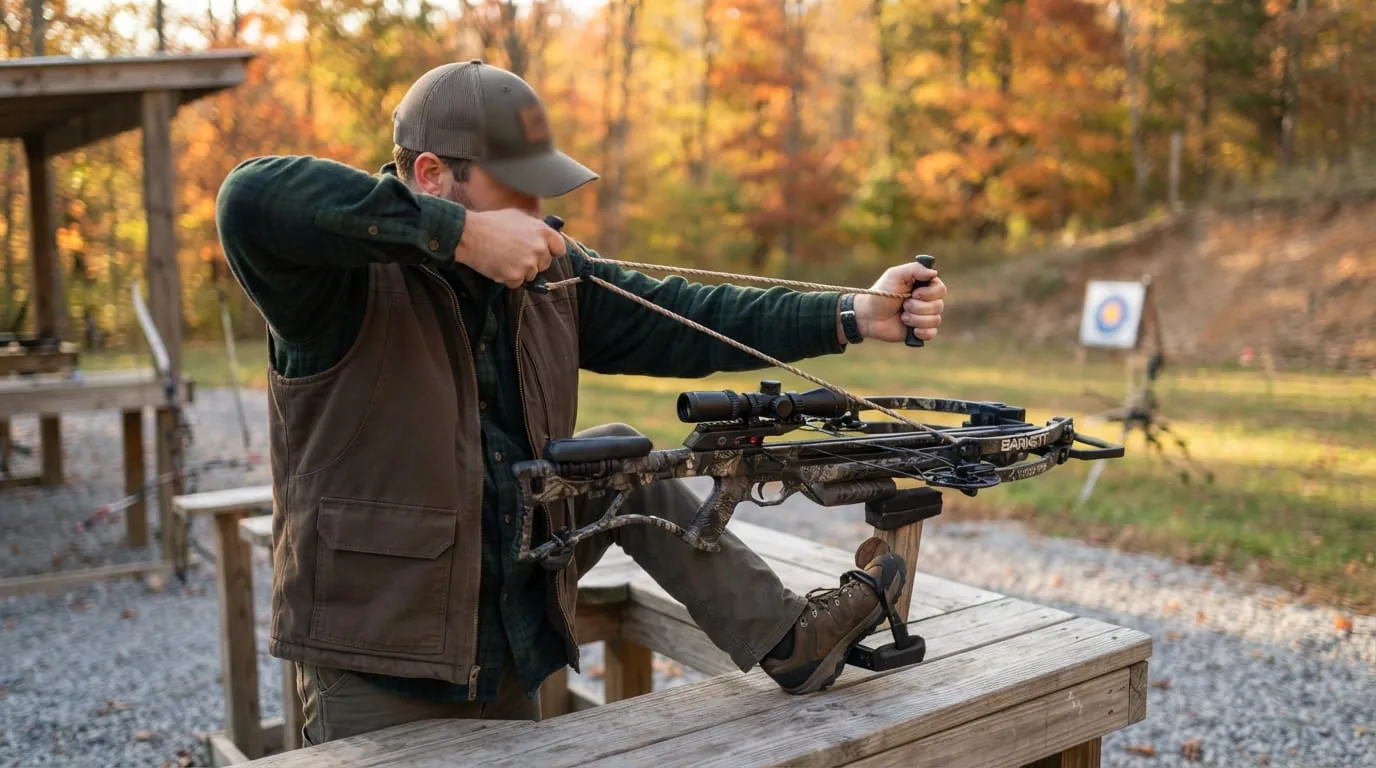
Do not try to fire it. De-cock using the approved method, then re-cock with your cocking aid so the string is drawn evenly on both sides. Our how to cock a crossbow guide covers the correct technique.
If It Still Won't Fire: Unload Safely
When you've worked through the list and the crossbow still won't fire, the priority becomes getting the stored energy out safely.
- Use only the method in your manual: an integrated de-cocking system, or a discharge the manufacturer approves into a rated target.
- Never dry-fire to empty the crossbow.
- Never try to lower the string by hand unless your manufacturer specifically describes a safe way to do it.
- If none of the approved options work, keep the muzzle pointed safely, store the crossbow where no one can handle it, and contact the manufacturer or a qualified dealer.
Our full guide on how to de-cock a crossbow safely covers each route step by step.
Other Common Crossbow Problems
A crossbow that fires can still have problems. These are the ones owners ask about most.
| Problem | Common causes | What to do |
|---|---|---|
| Inconsistent groups | Loose scope mounts, mixed bolts, uneven cocking | Tighten mounts, use matched bolts, re-zero |
| Frayed string or cables | Dry string, rail friction, age | Wax, lubricate rail, replace if strands break |
| Louder than usual | Loose accessories, worn dampeners, light bolts | Tighten fittings, check bolt weight |
| Bolt falls off the rail | Weak retainer, wrong nock, vane out of channel | Reload correctly, replace retainer |
| Cracked or splintered limbs | Dry fire, impact, age | Stop shooting and contact the manufacturer |
Bolts Hitting Inconsistently
Loose scope rings, bolts with mixed weights or point weights, a bent shaft, and string pulled off-centre during cocking are the usual causes. Check every mount screw, spin each bolt to check it runs true, and re-zero after any change. See how to sight in a crossbow scope for the full process.
Frayed String or Cables
Fuzz, broken strands or separating serving are signs of wear. Apply string wax and rail lubricant on the schedule your manual sets, and replace the string and cables immediately if strands break. A worn string can fail under load.
More Noise or Vibration Than Usual
Tighten the quiver, scope and sling studs, check any string suppressors, and confirm your bolts meet the minimum weight. A sudden jump in noise and vibration after a shot can mean damage, so inspect before shooting again.
Cracked or Damaged Limbs
Splintering, cracks, delamination or limbs sitting out of line are not owner repairs. Stop using the crossbow and contact the manufacturer, because a damaged limb can fail under tension.
When to Get Professional Help
Contact the manufacturer or a qualified technician if you see:
- Cracks, splinters or delamination on the limbs or riser
- Cams that are bent, wobble or have shifted
- A string that has come off a cam or track
- A trigger that won't release after cleaning and correct loading
- Any of the above after a dry fire
After any dry fire, have the crossbow inspected before shooting it again, even if it looks fine.
How to Prevent Most Problems
- Use only manufacturer-approved bolts and nocks
- Wax the string and lubricate the rail on schedule
- Check screws, scope mounts and accessories before each session
- Store the crossbow uncocked, somewhere cool and dry
- Inspect strings, cables and limbs regularly
- Register the crossbow and keep the receipt for warranty support
Our how to maintain a crossbow guide sets out a full maintenance routine.
Frequently Asked Questions
Why won't my crossbow fire with a bolt loaded?
The usual reasons are that the safety is still on, the bolt isn't fully seated against the string, or the nock doesn't match your crossbow's anti-dry-fire system. Check those three before anything else.
Can I bypass the anti-dry-fire mechanism?
No. It stops the crossbow firing without a properly loaded bolt, protecting you and the equipment. Modifying or bypassing it is unsafe and will usually void the warranty.
Is it safe to leave a crossbow cocked?
Most manufacturers advise against it. A cocked crossbow places continuous stress on the limbs, string and cables, so de-cock at the end of every session using the approved method.
What happens if I dry-fire my crossbow?
All the stored energy goes into the crossbow instead of a bolt. That can damage the limbs, cams, string and cables and can cause injury. Have it inspected before shooting again.
Why did my crossbow suddenly become inaccurate?
Loose scope mounts, mismatched or damaged bolts, and uneven cocking are the most common causes. Tighten all fittings, use matched bolts and re-zero the scope.
Why does my crossbow trigger feel gritty?
Usually debris, moisture or old lubricant. De-cock, clean only the external areas your manual allows, and let it dry. If the trigger still feels wrong, contact the manufacturer rather than opening the housing.
Final Recommendation
When a crossbow won't fire, start with the simple checks: safety, bolt seating, nock and bolt specs. Those resolve the vast majority of cases. If they don't, unload the crossbow using the approved method and let the manufacturer look at it, rather than forcing a trigger or safety system designed to protect you.
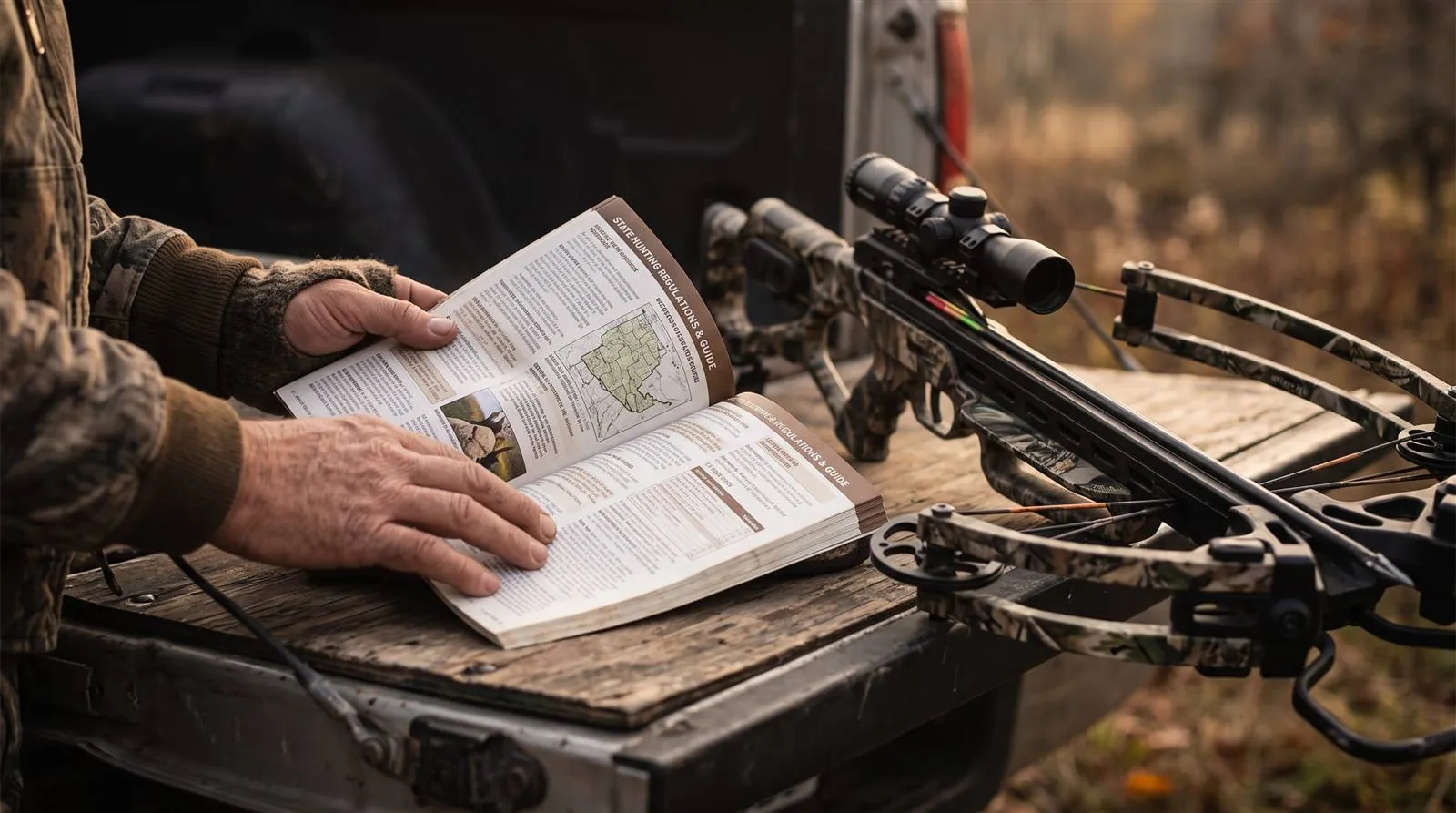
Transport and use rules also vary by location, so check current regulations with your state or local wildlife agency. Our crossbow hunting laws by state guide is a good starting point.
Read nextBuild safe handling habitsMost firing problems start with a loading or handling slip. Read the full set of beginner safety rules next.Ready to compare models? Read our tested crossbow reviews to see how each one measured up in testing.