Recurve Crossbow for Hunting: How to Choose
Choosing a recurve crossbow for hunting: draw weight vs cocking effort, power stroke, speed, weight, care and warranty, with a spec table of current models.

To choose a recurve crossbow, start with cocking effort, because you pull close to the full draw weight every shot. Then compare power stroke, rated speed, weight, the included package and warranty. A recurve suits buyers who want low cost and simple upkeep and mostly shoot inside 40 yards.
This guide explains each specification in plain English, lays out published manufacturer figures for several current recurves, and uses the measured results from my two recurve reviews as reference points.
Who a recurve suits, and who should pick a compound
A recurve makes sense if you want:
- The lowest cost of entry for a complete rifle-stock kit.
- Fewer moving parts, with no cam timing or cable tuning.
- A light crossbow to carry. My two reviewed recurves weigh about 5 lbs and 4.9 lbs bare.
- Short- to mid-range target practice, or hunting inside 40 yards where legal; check your state's regulations.
A compound crossbow is the better fit if you:
- Have limited hand, back or shoulder strength and need low felt cocking effort.
- Want speeds above 400 FPS and a flatter trajectory at 50 yards and beyond.
- Need a narrow frame for a tight ground blind.
Our compound vs recurve comparison goes through the trade-offs in detail, and the recurve crossbows hub collects the reviews.
What to compare on a recurve crossbow
Draw weight vs cocking effort
Draw weight is the force needed to pull the string back to the latch. On a compound, cams cut the felt effort to a fraction of that number. On a recurve there is no such reduction, so the draw weight is close to what you work against.
A rope cocking aid roughly halves the load on your hands by using pulleys, but you still lift the full weight in total. With the 175 lb Avalanche Anaconda, the cocking rope made cocking manageable for me, yet it took clearly more effort than any cam-assisted crossbow I have tested. The 136 lb Excalibur Mag Air felt manageable and consistent over 30+ logged cycles, but still demanding next to a crank or built-in system.
If you can, try cocking a recurve of similar draw weight before buying. Our guide to draw weight by body size helps you judge a realistic load. Some recurves can also accept a crank cocking device; check compatibility with the manufacturer first.
Power stroke
Power stroke is the distance the string travels from rest to the latch. A longer stroke lets the limbs push the bolt for longer, which can recover speed without raising draw weight. The Anaconda lists an 18.5-inch power stroke; the Barnett Wildcat CRX lists 12.5 inches. Compare the two on paper and you can see why draw weight alone does not predict speed.
Speed and energy
Manufacturers rate FPS with their lightest approved bolt, so treat the figure as a ceiling. My chronograph measured 232 to 241 FPS on the Anaconda against a 245 FPS rating, and 299 to 308 FPS on the Mag Air against 305 FPS.
Kinetic energy rises with the square of speed. At the same bolt weight, a 305 FPS crossbow carries about 55 percent more energy than one at 245 FPS, since (305 / 245) squared is roughly 1.55. That is why the lighter-drawing Mag Air outperforms the heavier-drawing Anaconda. For more on how speed is measured, see how fast a crossbow bolt travels.
Width
Recurve limbs need physical length to store energy, so a recurve is often wider than a compound of similar output. Width matters in blinds and thick cover. Few manufacturer pages list width for recurves, so if it is missing, ask the manufacturer or measure a display model.
Weight and length
Bare weight tells you how the crossbow carries; weight with scope and quiver tells you how it shoulders. Excalibur lists the Mag Air at 4.9 lbs bare and 6.7 lbs with accessories, a useful reminder to compare like with like. Overall length affects handling more than speed.
String and limb care
There are no cams or cables, but the string, serving and limbs still wear. Ask whether replacement strings are easy to buy and whether the manufacturer recommends a stringer or a specific procedure for string changes. The Anaconda kit includes a stringer, which is worth looking for in any package you consider.
Noise and vibration
Recurves are not silent. I scored the Anaconda 8.7 out of 10 and the Mag Air 8 out of 10 for noise, relative scores rather than decibel readings. Limb suppressors and string stops help, and the glossary covers noise and vibration terms.
Trigger
Look at trigger pull weight and whether the trigger system prevents firing without a bolt. The Mag Air's Guardian anti-dry-fire system engaged in every no-bolt scenario I could safely simulate. Excalibur also lists Ceasefire technology on the Micro 380, which the retailer describes as blocking a shot unless an arrow is loaded.
Included package
A kit price only means something once you know what is in the box. Check for a scope, bolts (and how many), cocking aid, quiver, string wax and stringer. The Anaconda kit includes four 16-inch aluminum bolts and a red dot, but no red dot batteries, broadheads or target.
Warranty
Read the terms before you buy. The Excalibur Micro 380 retail listing states a limited lifetime warranty. The Anaconda review lists a standard limited manufacturer warranty, and the Mag Air file does not state warranty terms, so confirm with the manufacturer. Dry-firing usually voids coverage.
Manufacturer specifications compared
The table below collects figures published by the manufacturer or a major retailer for recurve models currently sold. A dash means the figure was not published on the page checked. Only the Anaconda and Mag Air have been through my testing; the others are listed as specifications only.
Manufacturer specifications
| Model | Rated speed | Draw weight | Power stroke | Overall length | Bare weight | Warranty | Buy |
|---|---|---|---|---|---|---|---|
| Avalanche Anaconda | 245 FPS | 175 lbs | 18.5" | 33" | 5 lbs | Limited | Check price |
| Excalibur Mag Air | 305 FPS | 136 lbs | — | 31" | 4.9 lbs | — | Check price |
| Excalibur Micro 380 | 380 FPS | 140 lbs | — | 33" | 6.6 lbs | Limited lifetime | Read review |
| Barnett Wildcat CRX | 280 FPS | 195 lbs | 12.5" | 33" | 6.1 lbs | — | Read review |
Two things stand out. The Wildcat CRX lists the highest draw weight but a shorter power stroke, and its rated speed sits below the lighter-drawing Mag Air. The Micro 380 lists the highest speed of the group, with a heavier bare weight than the two reviewed models. Barnett also lists the Wildcat CRX at 18.375 inches tip-to-tip cocked and 25.5 inches uncocked, which is the kind of width figure worth finding for any recurve you shortlist.
For the measured side of the picture: the Anaconda chronographed at 232 to 241 FPS, and the Mag Air at 299 to 308 FPS. In my accuracy testing, both grouped well at 20 yards, and the Mag Air stayed solid at 40 yards, while groups from both opened at 60 yards compared with the compounds I have reviewed.
Maintenance basics
A recurve's upkeep is short, but skipping it shortens string and limb life.
- Wax the string every few sessions with string wax, avoiding the center serving unless the manual says otherwise.
- Lubricate the rail as the manual directs with a rail lubricant.
- Inspect the limbs for cracks, splinters or stress marks before each session.
- Check the serving for fraying or separation, and replace the string if it is damaged.
- Store it uncocked, in a cool, dry place, and never leave it cocked overnight. Use safe de-cocking methods.
The full routine is in our crossbow maintenance guide.
Common mistakes
- Buying on draw weight alone. A higher number means harder cocking, not necessarily more speed.
- Trusting the FPS rating as a real-world figure. It is measured with the lightest approved bolt.
- Ignoring the bolt specification. Shoot only the bolt length, weight and nock the manual approves. Our guide to choosing crossbow bolts explains why.
- Pulling the rope unevenly. On a recurve this can leave the string off-center and spoil accuracy. See how to cock a crossbow.
- Skipping the warranty check. Find the terms before you register the purchase, not after a problem.
- Assuming a recurve needs no care. Strings and limbs still wear.
Decision checklist
- I can cock this draw weight repeatedly with a rope aid, or I have a compatible crank.
- Most of my shooting will be inside 40 yards.
- I know the power stroke and rated speed, and I accept that the rating is a ceiling.
- I have checked the width against where I will shoot from.
- I know what is in the box and what I still need to buy, including bolts and a target.
- I have read the warranty terms and know dry-fire is excluded.
- If I plan to hunt, I have confirmed it is legal; check your state's regulations on draw weight and season rules, starting with our crossbow hunting laws by state overview.
- I have compared the price against an entry-level compound.
Frequently Asked Questions
What draw weight should a recurve crossbow have?
Choose one you can cock safely and repeatedly with a rope aid. For hunting, the minimum is set by your jurisdiction, so check your state's regulations. The two recurves I tested draw 136 and 175 lbs.
Is a higher draw weight recurve always faster?
No. The Mag Air draws 136 lbs and is rated at 305 FPS, while the Anaconda draws 175 lbs and is rated at 245 FPS. Power stroke, limb design and string material all affect speed.
How accurate are recurve crossbows?
In my testing, both reviewed recurves grouped well at 20 yards, and the Mag Air held up at 40 yards. Both opened up at 60 yards compared with the compounds I have reviewed.
Do recurve crossbows need less maintenance?
Less than a compound, since there are no cams or cables to time. You still wax the string, lubricate the rail, inspect the limbs and serving, and store the crossbow uncocked.
Can I use a crank on a recurve crossbow?
Some models accept one. Check with the manufacturer before fitting any crank, since the wrong device can damage the string or void the warranty.
Are recurve crossbows good for beginners?
They are simple to understand and maintain, but harder to cock. A beginner with good strength who shoots mostly at short range is a reasonable fit. Our beginner buying guide covers the wider options.
Can I hunt with a recurve crossbow?
Only where legal; check your state's regulations on crossbow seasons, minimum draw weight and equipment rules before you hunt.
Final Recommendation
Pick a recurve if low cost, light weight and simple upkeep matter more to you than speed and easy cocking, and if most of your shooting is inside 40 yards. Start with the cocking effort you can handle, then compare power stroke, real-world speed, the included package and the warranty.
Among the models I have tested, the Avalanche Anaconda is the value pick for a first crossbow, and the Excalibur Mag Air adds speed, a lighter draw and an anti-dry-fire trigger at a much higher price. If cocking effort or long-range accuracy is your priority, look at the compound crossbows hub instead.
Gear mentioned in this guide
Reviews we link to above, highest rated first. Read the full review before you buy.
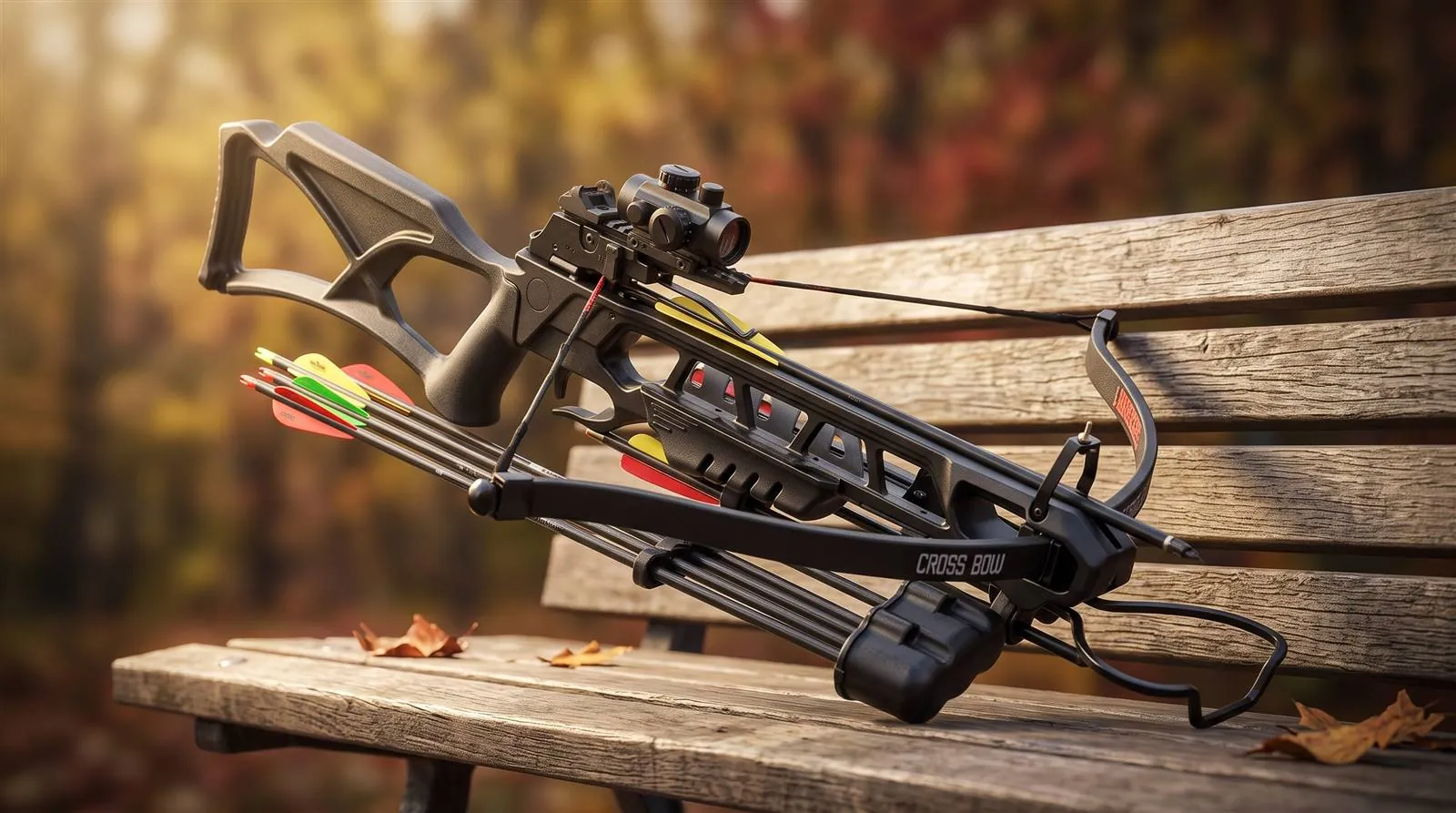
Avalanche Anaconda Crossbow Review
A budget 175 lb recurve kit that bundles a red dot scope, quiver, and cocking rope for $219–$239. Chronograph testing put it just under its 245 FPS claim.
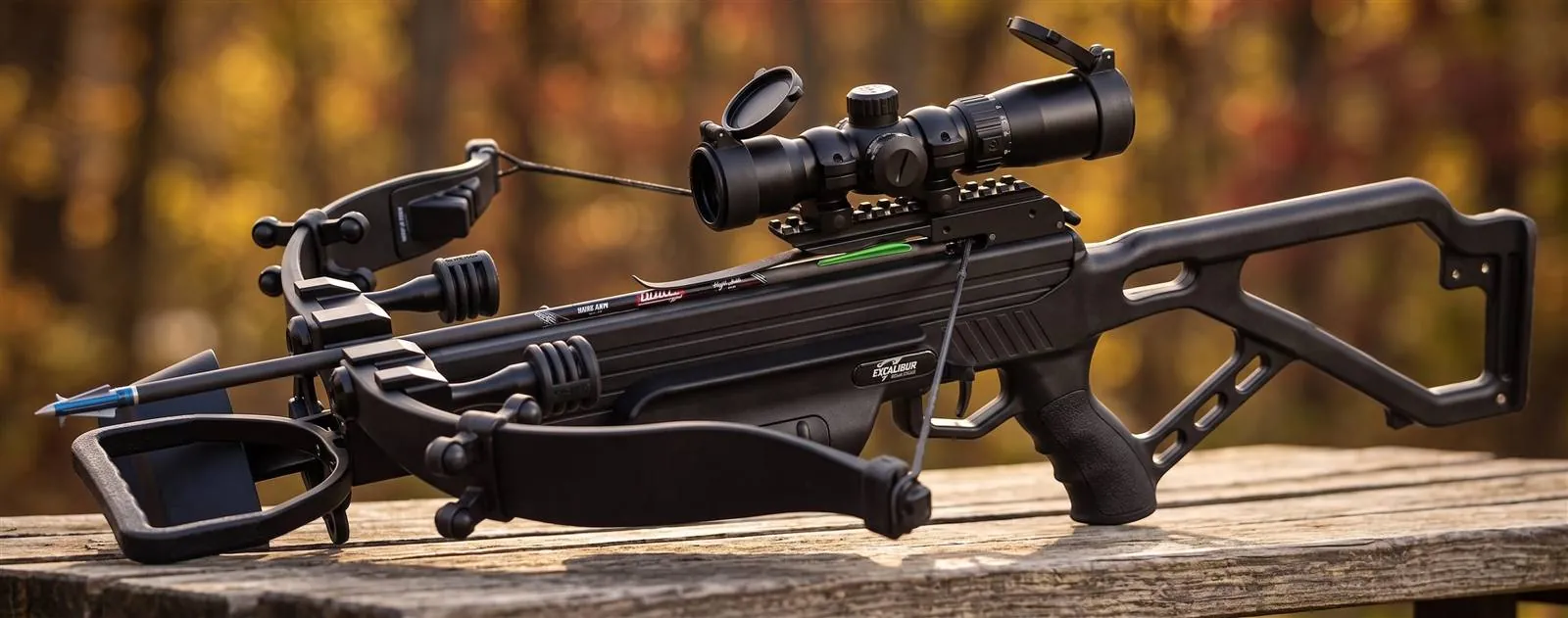
Excalibur Mag Air Review
A lightweight 305 FPS recurve crossbow with an anti-dry-fire safety system, priced $785–$815. Chronograph tested to confirm its speed rating.
Ready to compare models? Read our tested crossbow reviews to see how each one measured up in testing.