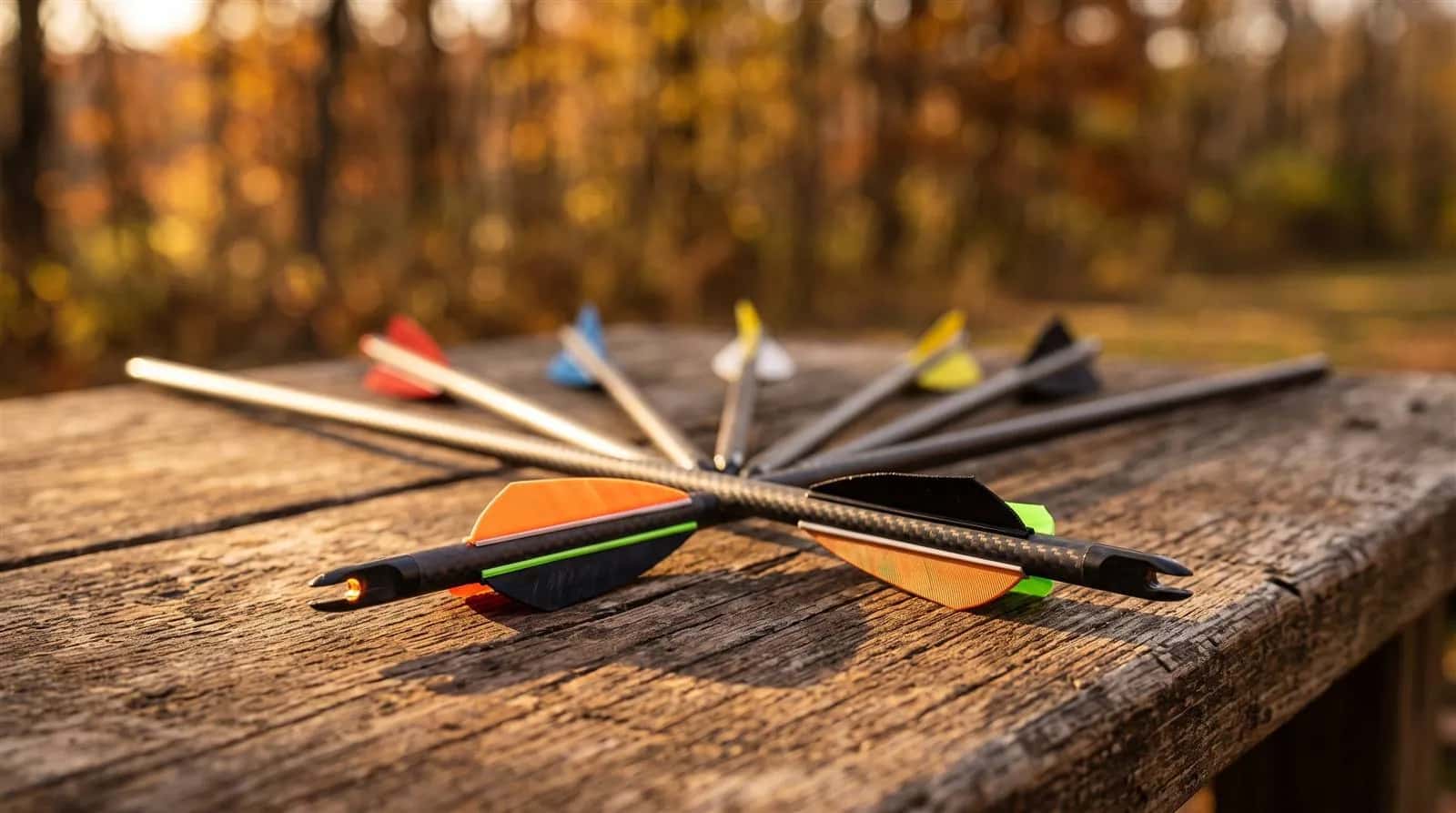
Crossbow Bolts & Arrows Reviews 2026
Crossbow bolts decide whether a good crossbow groups well. This hub explains the safety limits, the specs that matter, and how six reviewed bolt sets compare on consistency, balance and cost per arrow.
- 4.4/5
- Average rating
Pre-purchase checklist
- Read your manual's minimum length and weight.
- List your uses: practice, hunting preparation, low-light recovery.
- Check compatibility with your specific crossbow model.
- Compare cost per arrow, not just pack price.
- Compare straightness and weight tolerance for the grouping you need.
- Confirm the insert thread and the heads you plan to use.
- Buy a matched set and test group size at your distance.
Start here
Ranked and compared
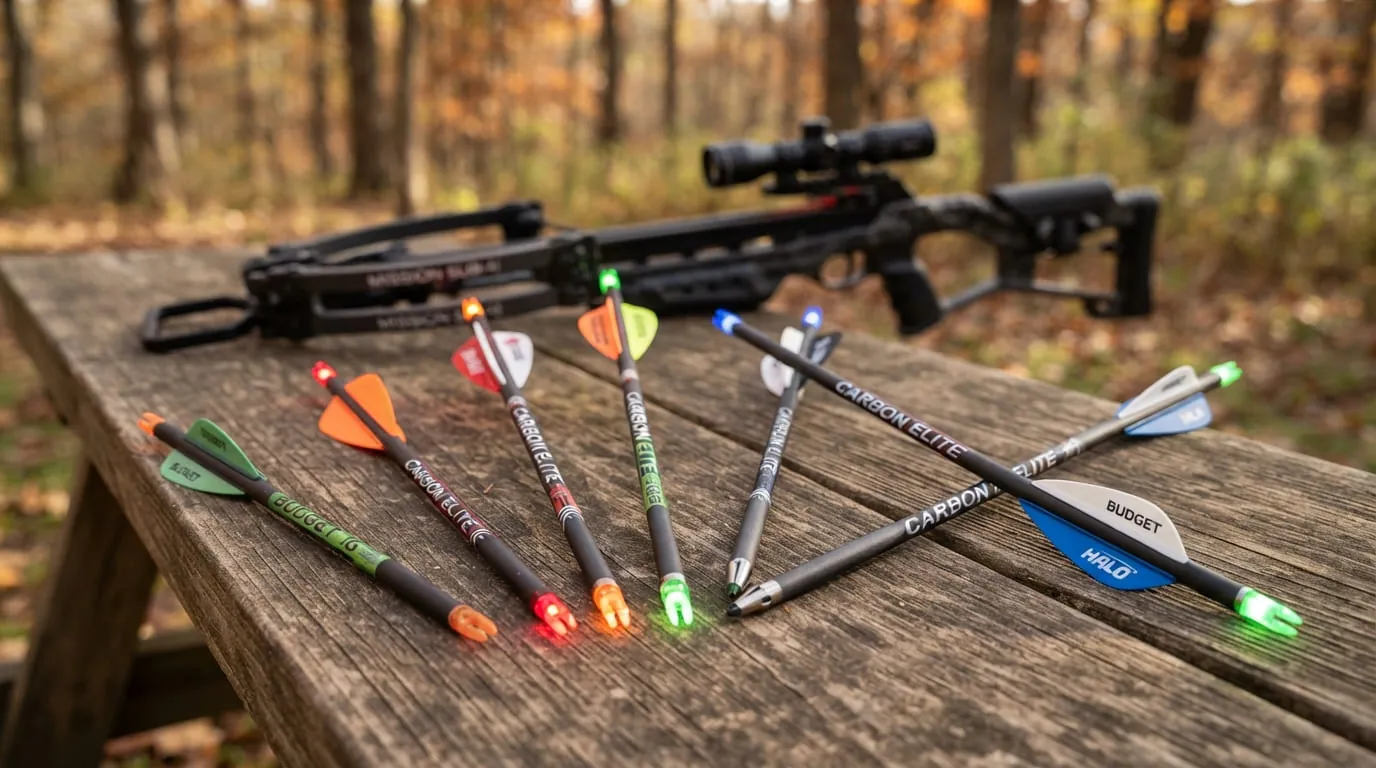 Ranked & comparedBest Crossbow Bolts of 2026Crossbow bolts compared by grain weight, length, nock type and straightness, from 12-pack practice bolts to weight-matched carbon and lighted hunting bolts.See the rankings
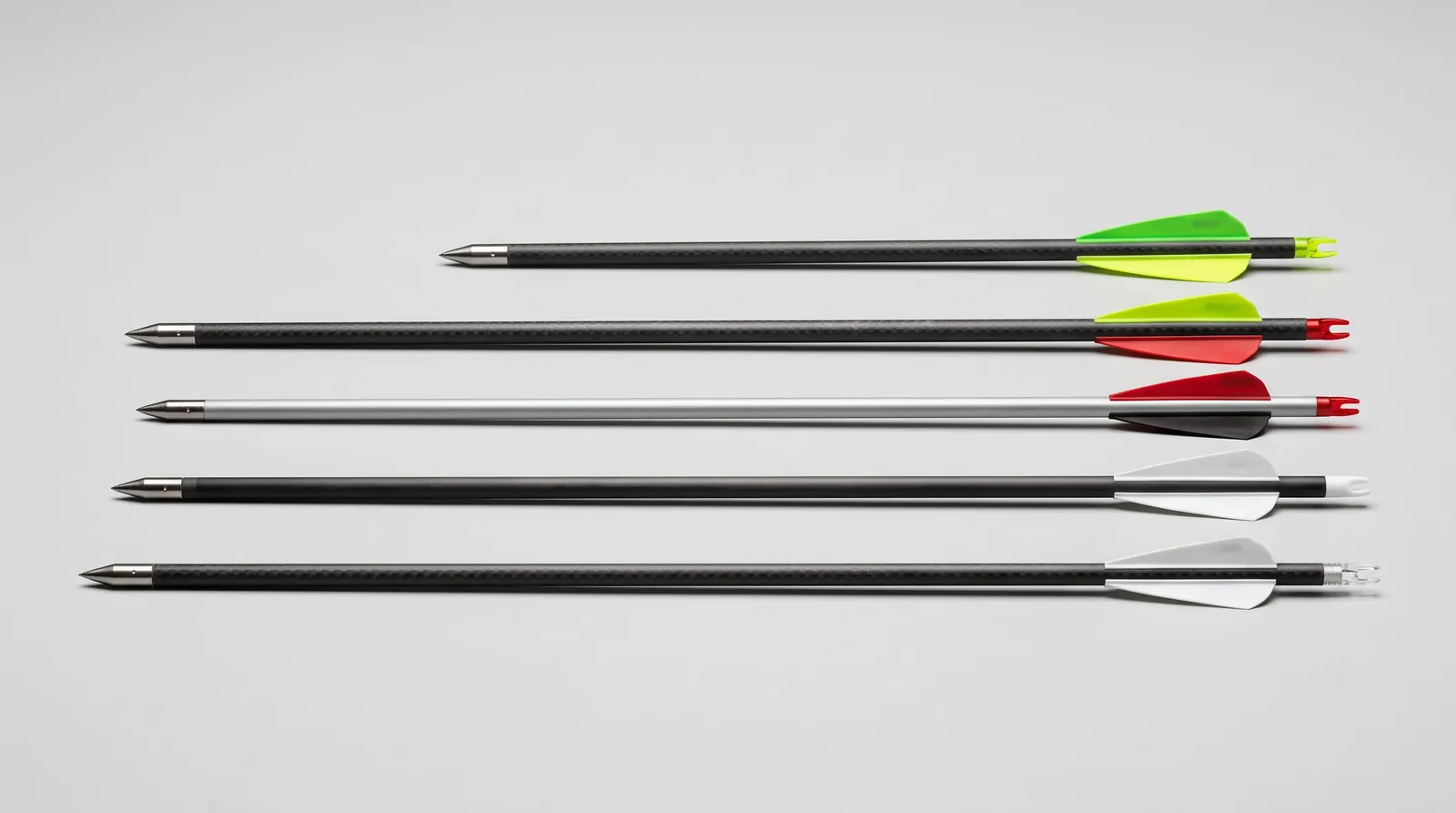 Buying guideChoose Crossbow Bolts: Length & WeightA six-step method for choosing crossbow bolts by length, grain weight, nock and spine, with a size chart and a worked example.Read the guide
Shortcuts
Match your situation
Every model, one method
All 6 bolts reviews
Highest rated first. Scores weigh measured results against price and intended use; each review names who should look elsewhere.
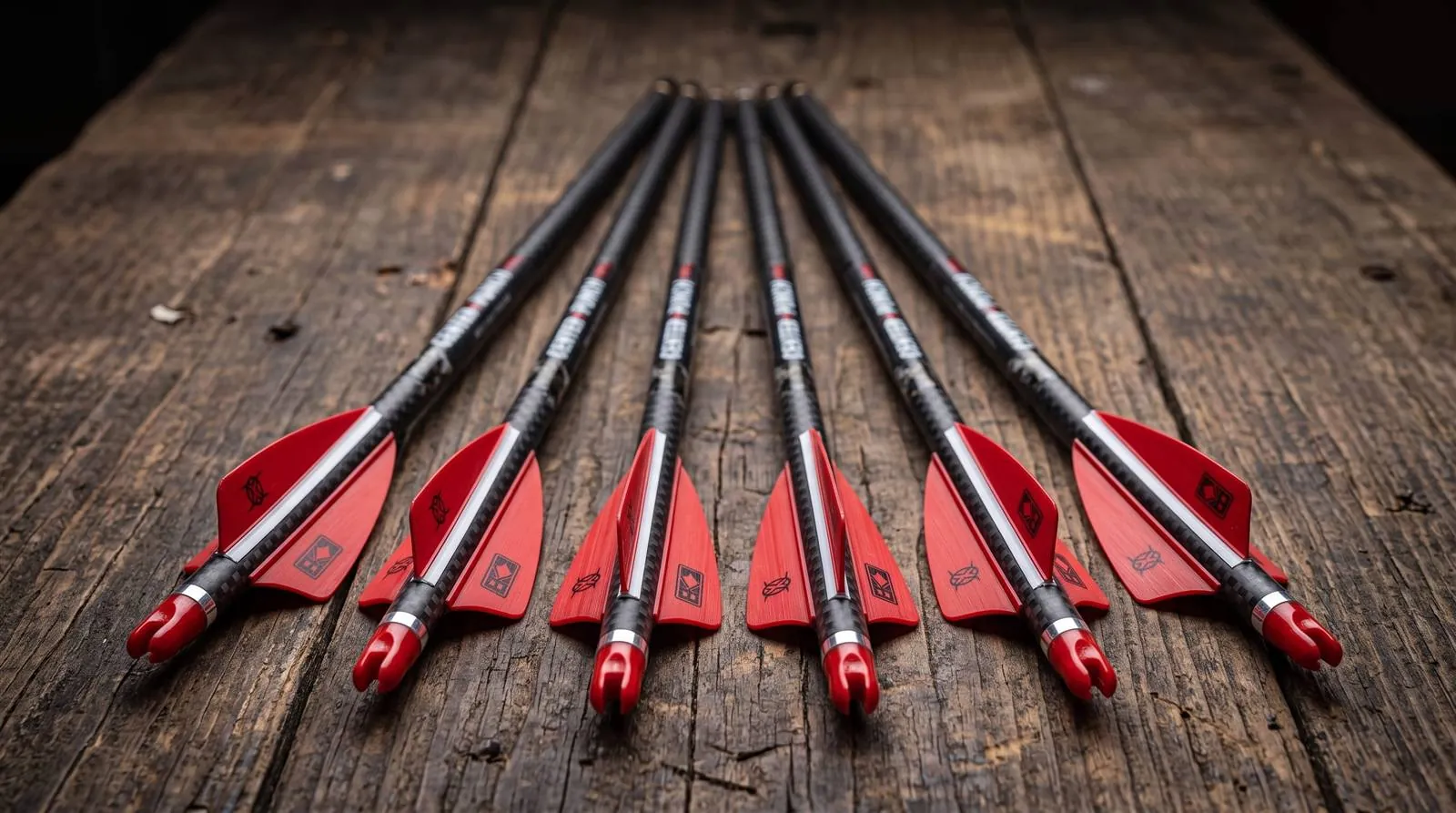
TenPoint CenterPunch HPX Review
Premium 445-grain, 20-inch carbon bolts with tight weight matching. Their consistency showed most past 40 yards, where groups stayed noticeably tighter.
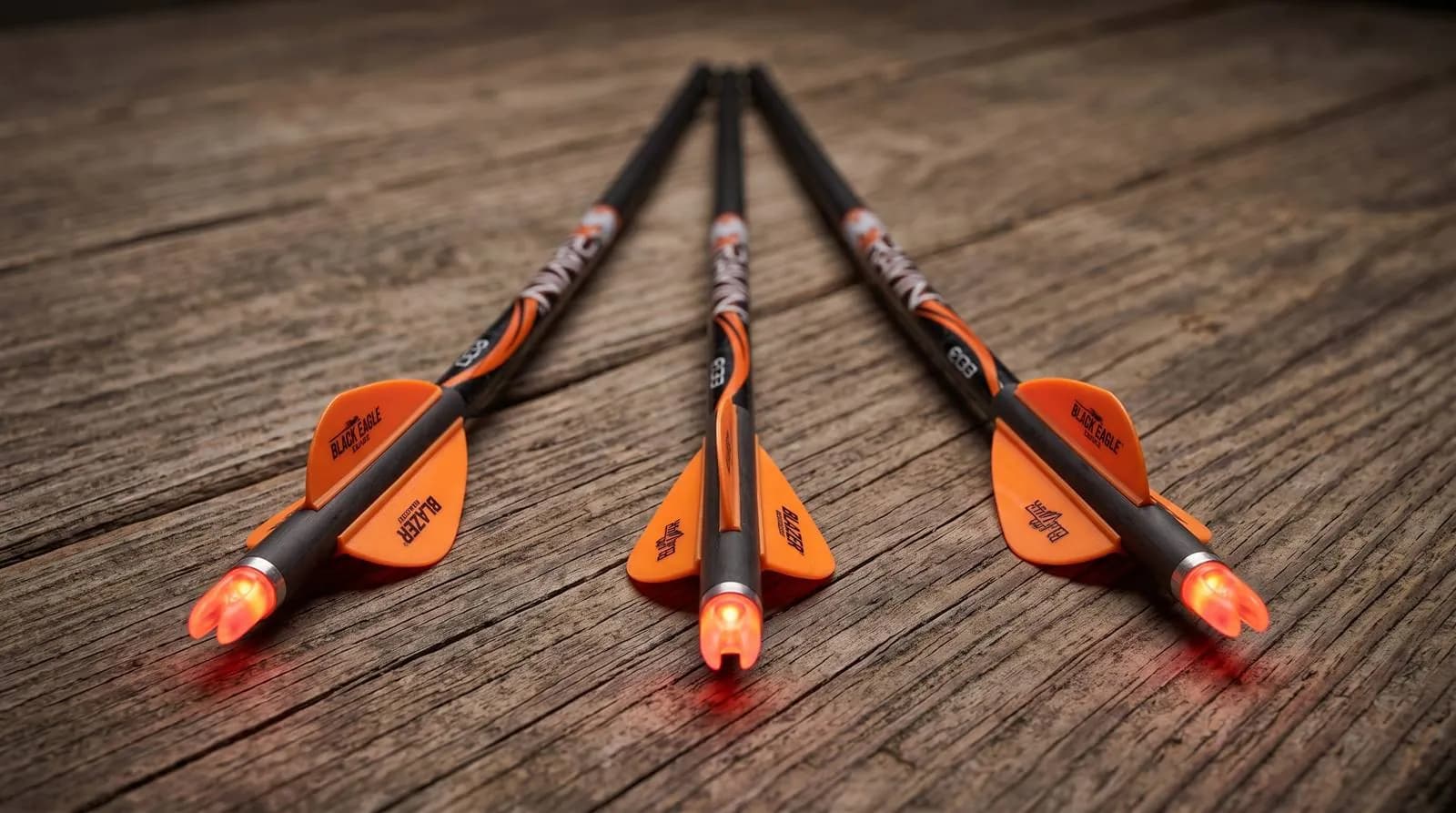
Ravin R133 Lighted Arrows Review
Ravin 400-grain lighted crossbow bolts with Match-Grade weight compensation, grouping with Ravin's non-lighted bolts at the same aim point.
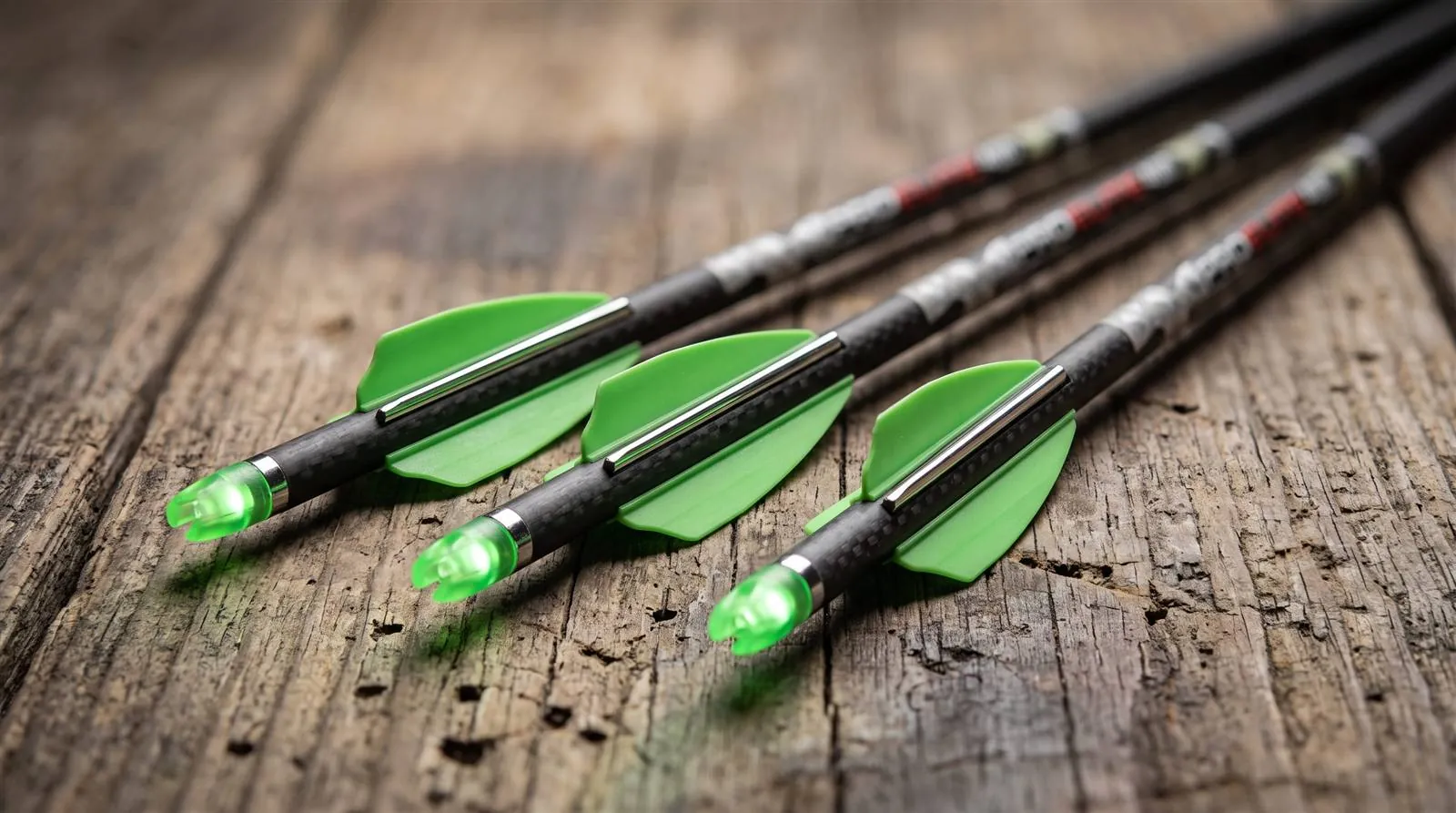
TenPoint Pro Elite 400 Review
410-grain lighted crossbow bolts for dawn, dusk and dense cover. Easier shot tracking and bolt recovery with little loss of consistency.
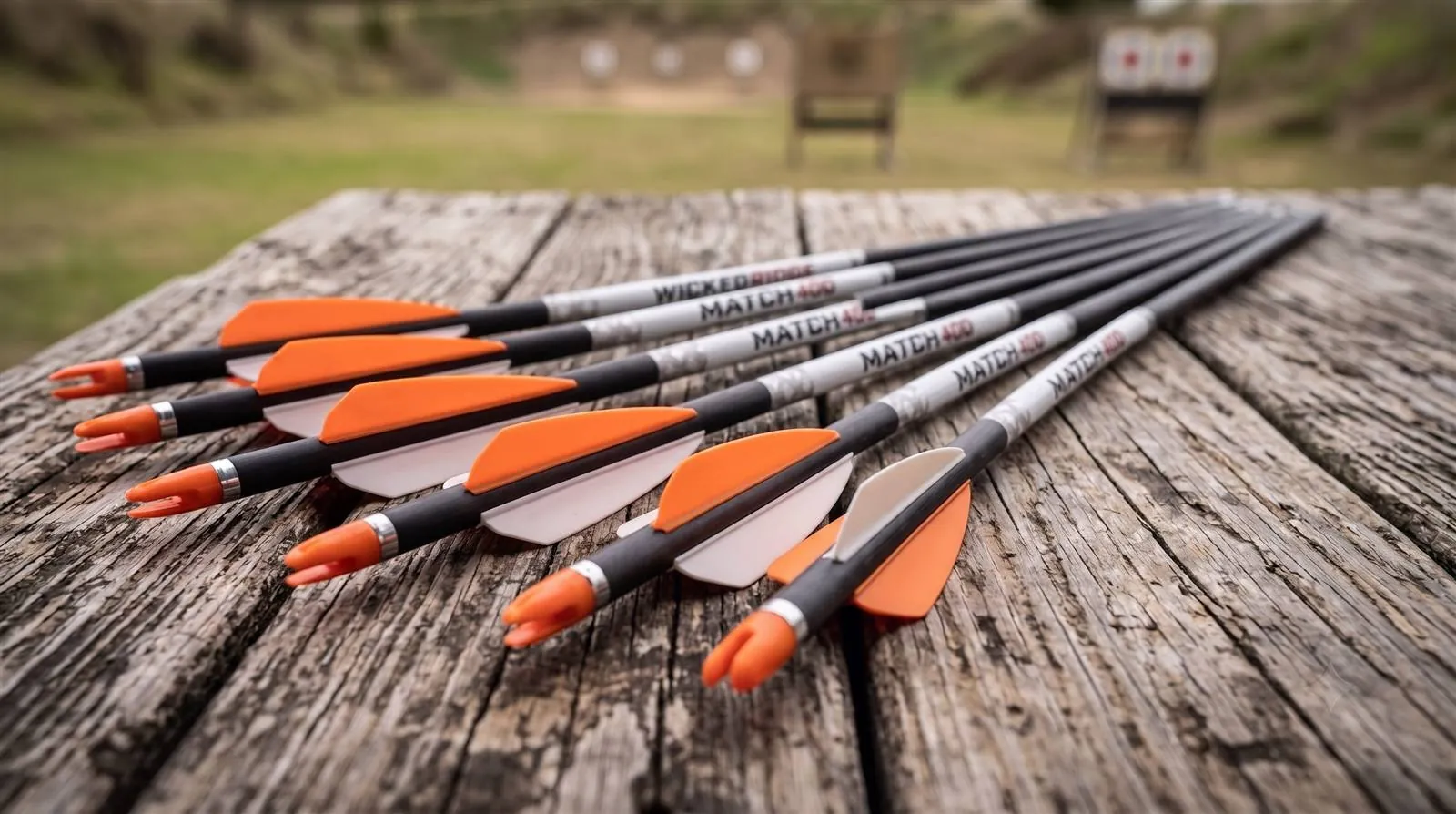
Wicked Ridge Match 400 Review
400-grain carbon bolts with TenPoint-family components at a mid-range price. Consistent enough for regular practice, a small step behind premium bolts.
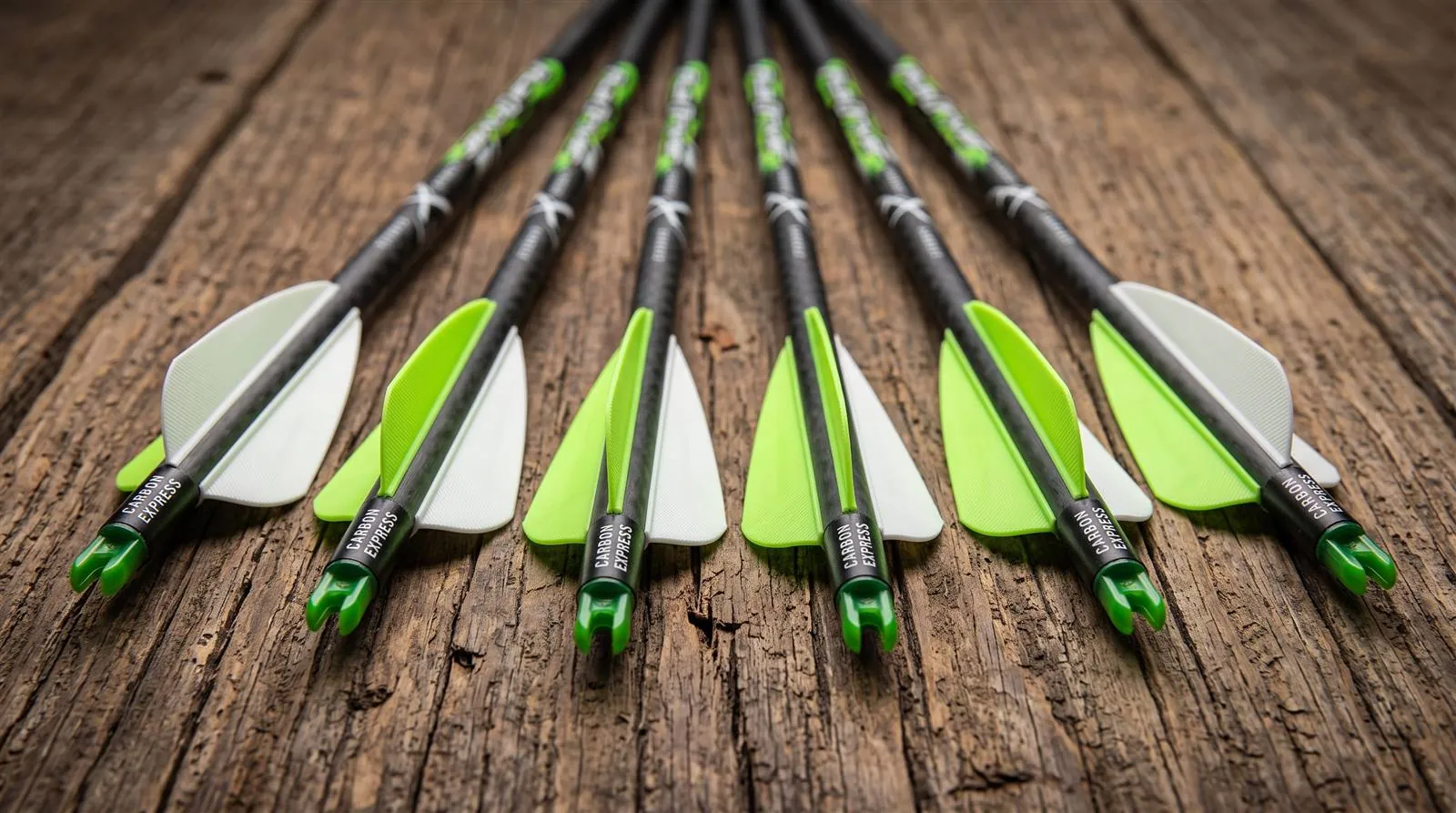
Carbon Express PileDriver Review
Heavy 449-grain, 22-inch carbon crossbow bolts with a universal nock. Trades a little speed for momentum and fits more than one nock style.
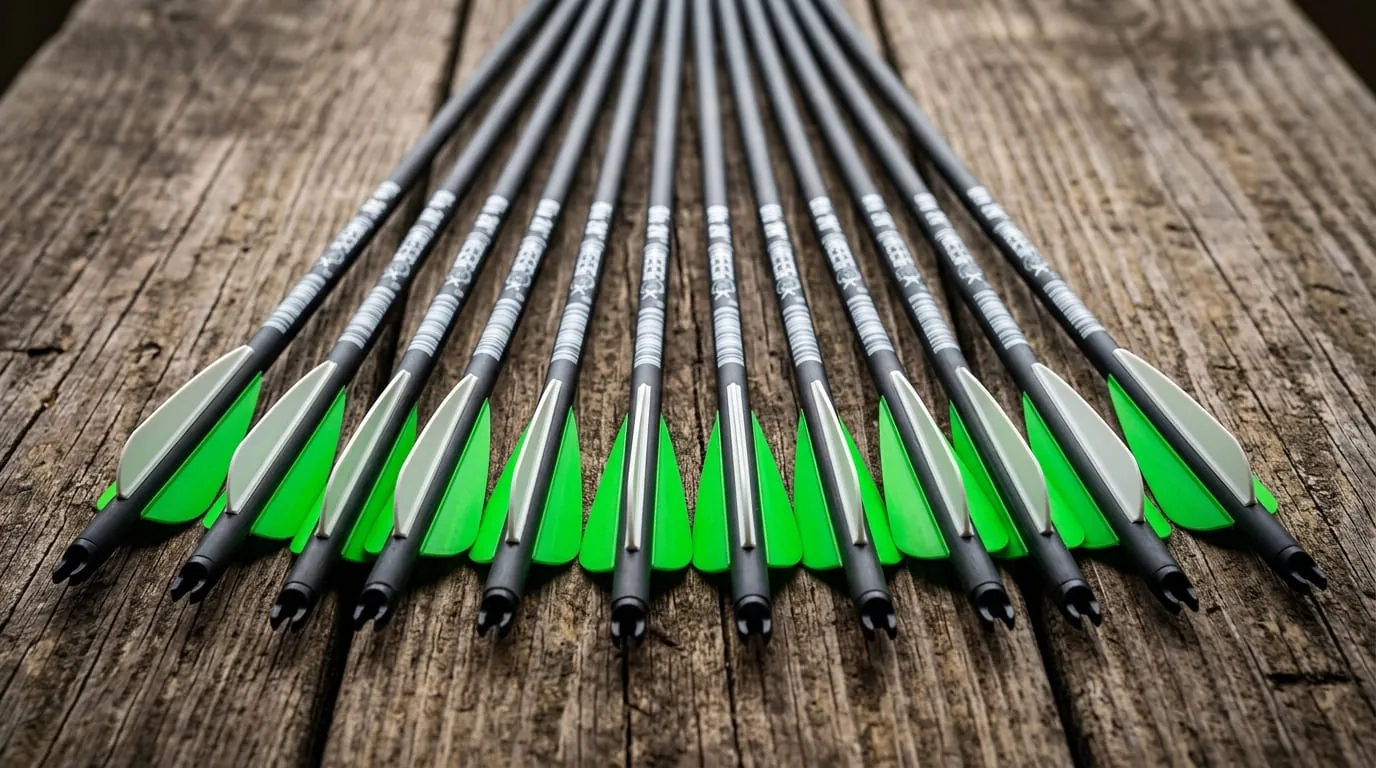
Reegox Crossbow Bolts Review
Low-cost 12-pack of carbon practice bolts in 16, 18 or 20 inches, with removable tips. Looser consistency than branded bolts and no published tolerances.
Bolts are the one part of a crossbow system you will replace again and again. They get lost, bent, split on a hard target or retired when a nock cracks. Because you buy them repeatedly, a small difference in per-arrow cost or consistency compounds over a season.
A note on scope. The reviews in this category cover complete bolts only. Broadheads and field points are discussed here as compatibility topics, but I do not have separate bolt-category reviews for them, so I point to the broadhead guides instead of ranking heads here.
What defines a crossbow bolt
A crossbow bolt is a short, stiff shaft, usually carbon or aluminum, with a nock at the rear, fletching for stability and a threaded insert at the front that accepts a field point or broadhead. Everything in a crossbow's performance reaches the target through this small component.
Bolts are not interchangeable with bow arrows. They are shorter, heavier for their length and designed for the crossbow's rail and string. If you need a quick vocabulary check on the parts, the glossary entry for bolt is the place to start.
Length and weight are safety specifications
Your manual lists a minimum bolt length and weight range. Anything shorter or lighter than specified risks the energy not being absorbed, which can damage limbs and rail or injure the shooter. This is the basic idea behind a dry-fire.
The reviewed bolts mostly cluster at 20 inches. The Carbon Express PileDriver is 22 inches, and the Reegox set is offered in 16, 18 and 20 inches, so check fit before you order. The Reegox review lists the lengths available.
Reading bolt specifications
Four numbers do most of the work: weight, straightness, weight tolerance and front-of-center balance.
Weight in grains. A grain is a unit of weight, and bolt weights run from 400 to 449 grains in the reviewed set. Heavier bolts fly slower but carry more energy at a given speed.
Worked arithmetic. Approximate kinetic energy equals grains times speed squared, divided by 450,240. A 400-grain bolt at 400 FPS is about 142 ft-lbs. A 449-grain bolt at the same speed is about 160 ft-lbs. In practice the heavier bolt would not leave the string at the same speed, which is why how fast a crossbow bolt travels explains the trade-off with real numbers. These speed values are for arithmetic only and are not measurements from the reviews.
Straightness. Expressed in thousandths of an inch of runout. Lower is tighter. The CenterPunch HPX is rated .001 in, the Lighted Pro Elite 400 and Ravin R133 .003 in, and the Match 400 and PileDriver .004 in.
FOC. FOC describes how far forward the balance point sits. The CenterPunch HPX lists 15.5%, the Match 400 up to 14% and the Lighted Pro Elite 400 13%. The FOC explainer shows how to calculate it.
Every bolt I have scored, side by side
Highest rating first. Weight is the finished bolt with the point stated in each review; confirm your crossbow's minimum bolt weight and length before buying any of them.
| Model | My rating | Price | Weight | Length |
|---|---|---|---|---|
| TenPoint CenterPunch HPX | 4.6 / 5 | $115–$125 | 445 grains | 20 in |
| Ravin R133 Lighted Arrows | 4.5 / 5 | $84–$108 | 400 grains (with 100-grain field tip) | 20 in |
| TenPoint Pro Elite 400 | 4.5 / 5 | $75–$95 | 410 grains | 20 in |
| Wicked Ridge Match 400 | 4.4 / 5 | $59–$79 | 400 grains | 20 in |
| Carbon Express PileDriver | 4.2 / 5 | $49–$59 | 449 grains | 22 in |
| Reegox Crossbow Bolts | 3.9 / 5 | $29–$39 | 425 grains (20in variant) | 16/18/20 in |
Which bolt for which job
| If you want... | Start with | Why |
|---|---|---|
| The most consistent hunting bolt for a fast crossbow | TenPoint CenterPunch HPX | Tight weight and straightness tolerances, 445 grains |
| Lighted nocks for dusk recovery | TenPoint Pro Elite 400 or Ravin R133 | Alpha-Blaze and Ravin lighted nocks, 400–410 grains |
| A dependable mid-price practice and hunting bolt | Wicked Ridge Match 400 | Aluminum inserts, 400 grains, half the HPX price |
| A heavy bolt for energy and penetration | Carbon Express PileDriver | 449 grains at 22 inches for crossbows that accept it |
| The cheapest bolts you will not mind losing | Reegox Crossbow Bolts | Practice-grade carbon at a few dollars a bolt |
Material, nocks and fletching
Carbon bolts are lighter for a given stiffness and tend to hold straightness better over repeated use. Aluminum bolts are often cheaper but can bend rather than break, and a bend is easy to miss without a straightness check. Roll a suspect bolt on a flat surface and watch the tip.
The nock holds the string. The CenterPunch HPX's Alpha-Nock has a deep bowstring groove and elongated ears, and in my testing it gave straighter nock travel and fewer group-opening flyers. The PileDriver's Universal Nock System seated moon nocks and C-Nocks on multiple platforms. A lighted nock lights up on release, which helped me track hits at dusk, but needs battery attention.
Vane size shows up downrange. The 4-inch vanes on the PileDriver and Reegox bolts showed more wind drift in testing than smaller, lower-profile vanes.
Ownership costs and upkeep
Budget for loss, wear and inspection. A practical rule is to treat any bolt as consumable and keep a matched spare set so your point of impact stays consistent.
- Buy enough to shoot a full session without retrieving after each shot.
- Inspect shafts, nocks and inserts before every outing.
- Replace any bolt with a crack, a loose nock or a bent shaft.
- Replace lighted-nock batteries on a schedule that suits how often you shoot.
- Keep matched bolts together by batch.
The Wicked Ridge review credits six bolts per pack for useful practice volume, and the Reegox 12-pack suits long sessions. For wider upkeep, see how to maintain a crossbow.
Compatibility with crossbows, heads and cocking gear
Brand matters more with bolts than most buyers expect. The Ravin R133 is built exclusively for Ravin platforms and its review states it is incompatible with the R500, R470 and R18 series, so confirm your exact model. The TenPoint and Wicked Ridge bolts have fixed 20-inch lengths and weights that will not suit every crossbow.
For heads, the Reegox set ships with removable 125-grain target points on standard 8-32 UNC threads, which made it easy to swap in broadheads. A field point and a broadhead can shift point of impact, so sight in with the head you will actually use, and see fixed-blade broadheads for the head types. Scope setup is covered in how to sight in a crossbow scope.
Common mistakes and myths
- Choosing by price alone. A cheap set can be right for practice, but the Reegox review found looser straightness and weight consistency, which showed as wider groups at 40 and 60 yards.
- Assuming heavier is always better. Weight adds energy at the cost of speed, and the right weight is the one inside your crossbow's range.
- Mixing lengths and weights. Different bolts can land in different places. Keep one matched set for each purpose.
- Ignoring tolerances. A pack that is not weight-matched can open groups even when your form is consistent.
- Skipping inspection. A bent carbon-looking shaft or a cracked nock is a safety issue, not just an accuracy issue.
- Buying a brand-locked bolt by mistake. Confirm compatibility before you order.
Who should skip this category
If you have not bought a crossbow yet, choose the crossbow first, because bolt length and weight follow from it. If your crossbow ships with a matched set, shoot it before spending on upgrades, since many gains come from consistency in your own form. Hunters should also remember that bolts alone do not make a hunting setup legal: check your state's equipment rules with your wildlife agency. The crossbow hunting laws by state guide is a starting point only.
Frequently Asked Questions
Can I use any bolt with any crossbow?
No. Every crossbow has a minimum length and weight set by the manufacturer, and a bolt that is too short or too light can cause a dry-fire-like failure. Always check your manual first, and confirm brand-specific compatibility such as the Ravin R133's model limits.
What happens if a bolt is too light or too short?
The crossbow's stored energy is not fully absorbed by the bolt, which can send it back into the limbs, rail and string. That can crack parts or injure the shooter. Never use a bolt below the minimum your crossbow's manual specifies.
Are carbon bolts better than aluminum?
Carbon is generally lighter for its stiffness and holds straightness better over repeated use, so it is the common choice for accuracy-focused shooters. Aluminum is often cheaper but can bend without an obvious sign. Within your crossbow's safe weight range, check straightness either way.
How many bolts should I buy?
A dozen is a practical starting point for consistent practice with spares, since bolts get lost or damaged. The Reegox comes as a 12-pack, while the TenPoint and Wicked Ridge sets are six per pack. Matched sets keep your point of impact consistent.
What does straightness tolerance mean?
It is how far a shaft is allowed to deviate from perfectly straight, measured in thousandths of an inch. Lower is tighter. The CenterPunch HPX is rated .001 inches, the Lighted Pro Elite 400 .003 inches and the Match 400 .004 inches, and tighter tolerances help group size at longer range.
Are lighted nocks worth the extra cost?
They help you track the bolt and find the hit after dusk, as the Lighted Pro Elite 400 and Ravin R133 reviews showed. The trade-off is a higher per-arrow price, roughly $25 or more, and a battery to monitor. If you shoot in daylight, a non-lighted bolt costs less.
Which reviewed bolt is the cheapest per arrow?
The Reegox 12-pack at $29–$39 works out to roughly $2.42–$3.25 per arrow. The review rates it 3.9 and recommends it mainly for practice, since its straightness and weight consistency were looser than branded options in my testing.
Do heavier bolts hit harder?
At the same speed, yes, because energy rises with weight. But a heavier bolt leaves the string slower on the same crossbow, so the net result depends on your model. The PileDriver at 449 grains delivered noticeably higher impact energy in my testing, at some cost in speed.
Can I use broadheads on these bolts?
Bolts with a threaded insert accept field points and broadheads, and the Reegox set uses standard 8-32 UNC threads. Confirm thread type and head weight, and sight in with the head you plan to use. Check hunting equipment rules with your wildlife agency.
Is there a difference between crossbow bolts and crossbow arrows?
In practice, no. Manufacturers use both words for the same projectile: Ravin and TenPoint say "arrows", Barnett and most retailers say "bolts". What matters is not the name but the manual's length, minimum weight and nock specification, which every set in this hub is compared against. Do not confuse either with arrows for a vertical bow, which are longer, lighter and not safe in a crossbow.
Which nock type does my crossbow need?
The one the manual names. Common families are the moon (half-moon) nock that cups the string, the flat nock, capture nocks that clip on, and brand designs such as TenPoint's Alpha-Nock. The nock often trips the anti-dry-fire mechanism, so the wrong style can cause a misfire. Among reviewed sets, REEGOX uses press-fit moon nocks, the CenterPunch HPX the Alpha-Nock HPX, and the Carbon Express PileDriver a universal system covering moon nocks and C-Nocks.
Guides that help you decide
Run the numbers