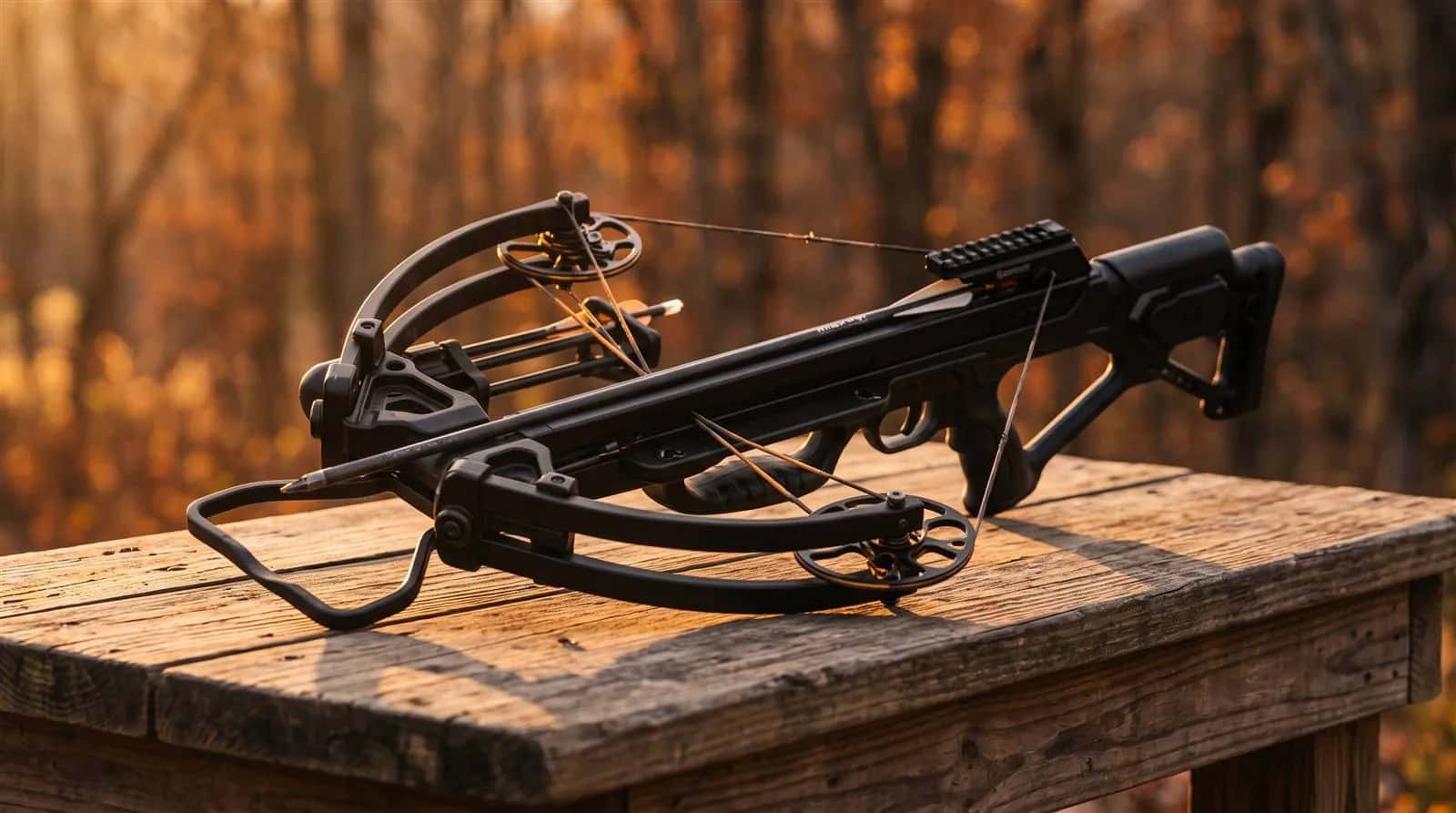
Crossbow Trigger System in plain terms
Crossbow Trigger System meaning: A crossbow trigger system is the mechanism that holds the cocked string, releases it when you press the trigger and houses the safety and anti-dry-fire parts.
Also called: trigger, trigger assembly, trigger mechanism, anti-dry-fire trigger, TriggerTech
A trigger system is the group of parts that hold the drawn string, release it on command and manage the safety features around that release. It usually includes the string latch, the sear, the trigger blade, the safety switch and, on many models, an anti-dry-fire mechanism that stops the trigger from releasing the string when no bolt is seated.
The feel of the trigger is described by its trigger pull, meaning the force required to release, along with how much travel, creep and overtravel it has. A crisp trigger breaks cleanly at a consistent weight, which helps you place shots repeatably. TenPoint rates the TriggerTech trigger on the TRX Ultra at a 3 lb pull with zero creep.
Safety design varies. Excalibur's Guardian system on the Mag Air is an anti-dry-fire design described in the review. Whatever the brand, the system is part of a layered approach: safety on, finger off the trigger until ready and muzzle control at all times.
Parts of a typical trigger system
| Part | What it does | What to watch |
|---|---|---|
| String latch | Holds the drawn string | Wear, debris, correct seating |
| Sear / trigger blade | Releases the latch on pull | Crispness and consistency |
| Safety switch | Blocks release when engaged | Positive click, no unintended movement |
| Anti-dry-fire | Prevents release without a bolt | Works only if the bolt is correctly seated |
Why it matters
The trigger is the point where your input meets the crossbow. A heavy, gritty or inconsistent trigger can disturb aim at the moment of release, so it affects group size as much as optics do.
It is also the main safety control. A trigger system that is dirty, worn or out of adjustment can fail to hold or release as expected, so care and inspection matter.
How to read it on a spec sheet
- Look for the trigger pull weight in pounds and whether it is adjustable or fixed.
- Check for named systems such as TriggerTech or Guardian, then read what the maker says they do.
- Note whether the safety is automatic, engaging on cocking, or manual.
- Find the anti-dry-fire description and what conditions it needs, such as a seated bolt.
- Read the manual's cleaning and service guidance for the trigger area.
Common mistakes
- Relying on the safety instead of treating the crossbow as loaded and ready.
- Putting the finger on the trigger before the sights are on target.
- Trying to adjust or open the trigger housing at home against the maker's guidance.
- Letting debris or lubricant build up in the trigger area.
- Assuming anti-dry-fire makes dry-firing impossible. Follow the manual and always seat the bolt correctly.
How to check a trigger system safely
- Keep the crossbow uncocked and unloaded for visual checks, with the muzzle in a safe direction.
- Look for visible damage, loose screws or debris around the trigger and latch area.
- Operate the safety to confirm it clicks positively between positions, as the manual describes.
- When cocked at the range with a bolt properly seated, confirm the safety engages as expected.
- Keep your finger off the trigger until you are aiming at a safe target.
- If anything feels gritty, loose or inconsistent, stop and contact the maker.
See it in our reviews
- Excalibur Mag Air — rated 3.4/5
- TenPoint TRX Ultra — rated 4.5/5
Frequently Asked Questions
What does a crossbow trigger system include?
It includes the string latch, sear and trigger blade, the safety switch and often an anti-dry-fire mechanism. Together they hold the string, release it on command and help prevent accidental release.
What is a good trigger pull weight on a crossbow?
Manufacturers rarely publish pull weights; the TRX Ultra review lists a creep-free 3.5 lb break. Consistency matters more than the number, and a lighter pull must remain safe, so use any stated figure as a reference and judge by feel.
What is an anti-dry-fire trigger?
It is a mechanism that stops the trigger releasing the string when no bolt is properly seated, because dry-firing can damage the crossbow. Follow the manual, since the exact behaviour differs between models.
Can I adjust my crossbow trigger?
Some triggers have limited, documented adjustments, but many are sealed. Adjusting or opening a trigger can affect safety, so only do what the manual allows and use a dealer or the maker for the rest.
Why does my crossbow trigger feel gritty?
Dirt, dried lubricant, wear or damage can cause grit. Do not force it. Inspect the area, clean what the manual allows and contact the manufacturer or dealer if it persists.
Does a safety make a crossbow safe to carry cocked?
No. A safety is a mechanical aid that can fail, so treat every cocked crossbow as ready to fire. Keep the muzzle controlled, finger off the trigger and de-cock when you are not about to shoot.
Is a trigger system the same as a string latch?
They are related but different. The latch is the part that physically holds the string, while the trigger system includes the latch, sear, trigger blade, safety and any anti-dry-fire parts.
Related guides
Guides where trigger system shapes a real choice.
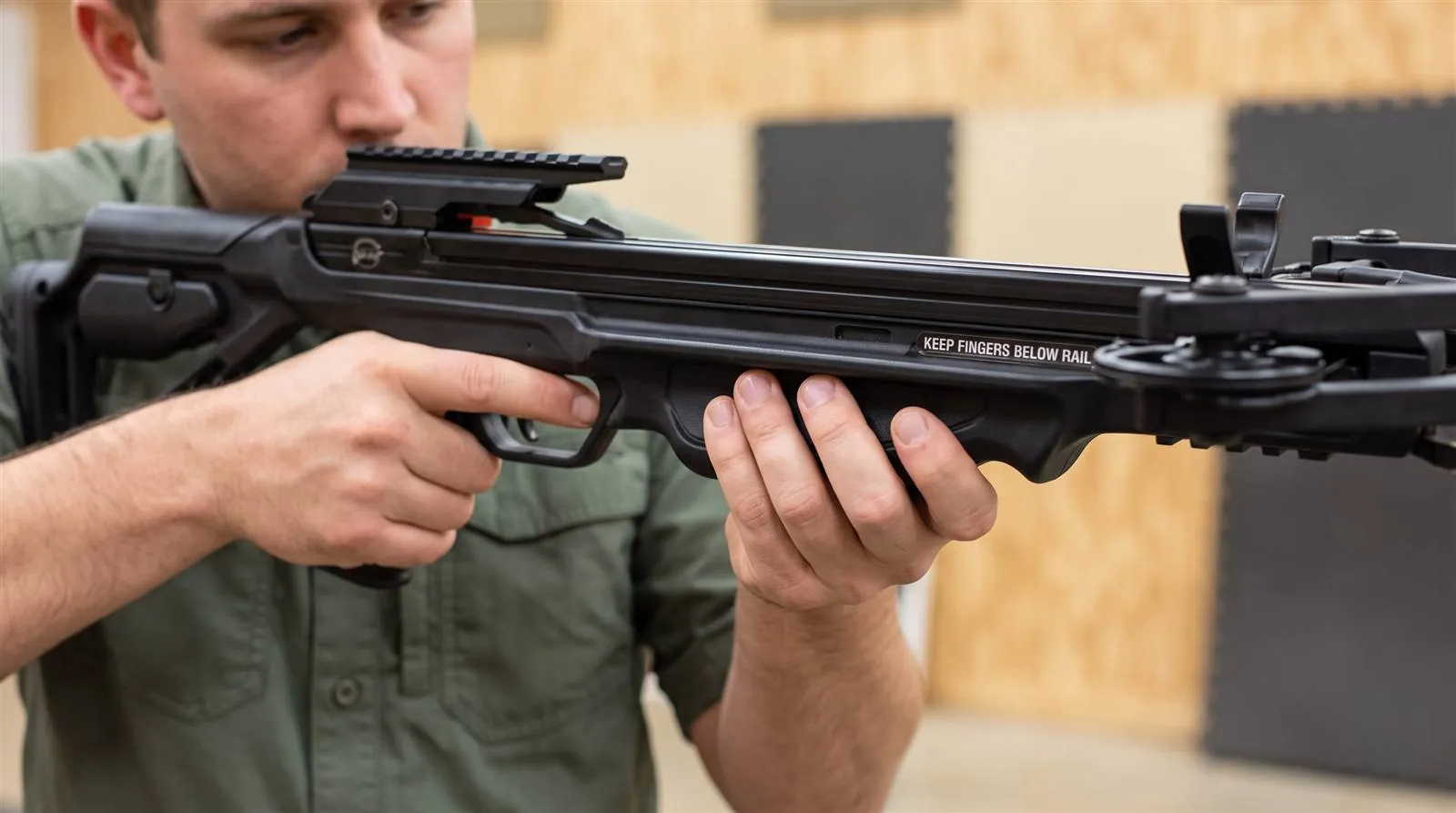 GuideCrossbow Safety Rules for BeginnersCore crossbow safety rules: finger placement below the rail, avoiding dry fire, treating a cocked crossbow as loaded, safe cocking and safe de-cocking.Read the guide
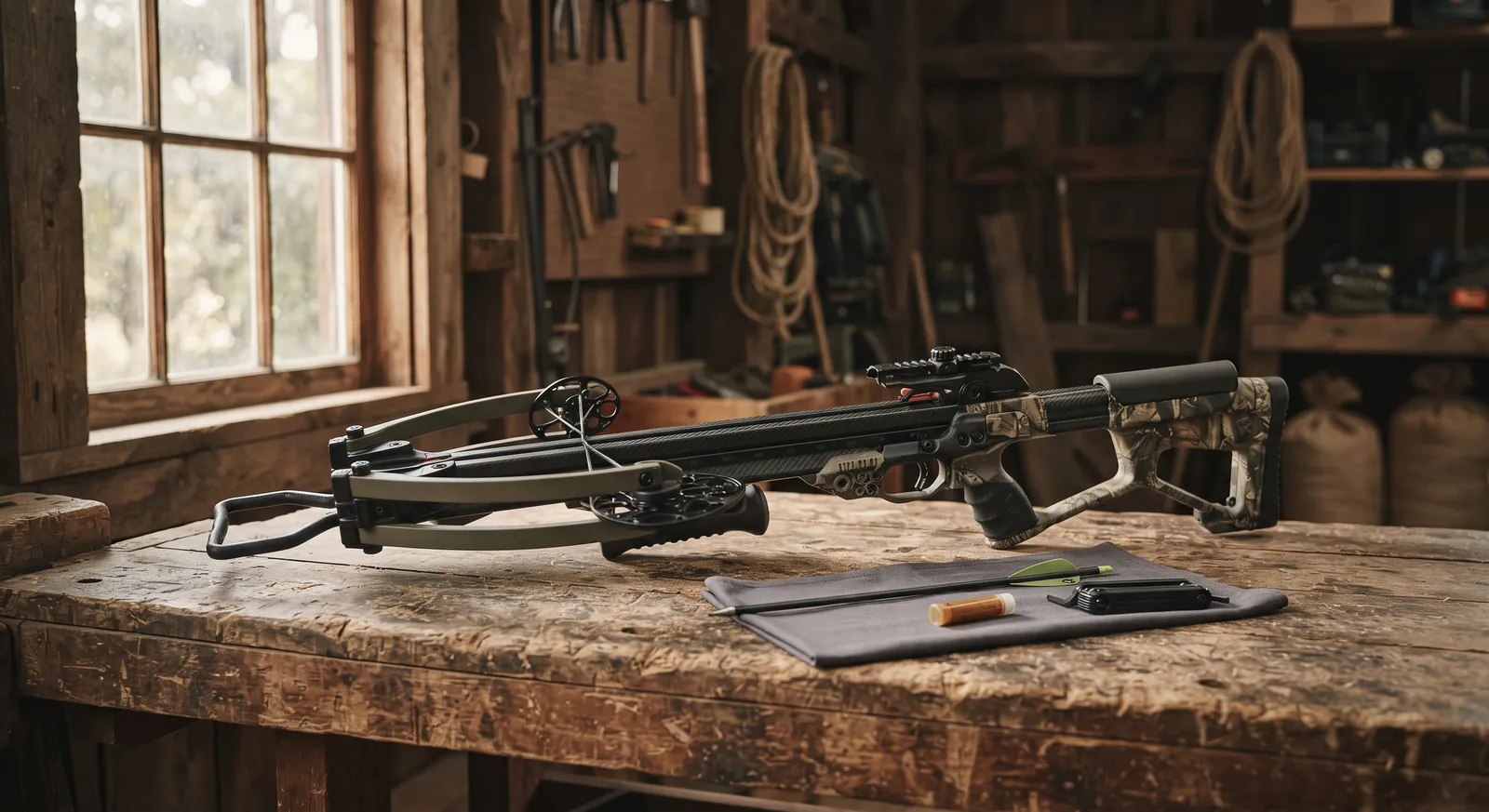 GuideCrossbow Won't Fire? Problems & FixesA diagnosis table for a crossbow that won't fire: safety on, unseated bolt, wrong nock, bolt specs, retention spring and trigger problems, and when to stop.Read the guide
 GuideHow to Decock a Crossbow Safely (2026)How to de-cock a crossbow safely using integrated systems or a discharge bolt into a rated target, plus what never to do and how to fix common mistakes.Read the guide
Definitions are general information. Manufacturer figures vary, so follow your crossbow's manual and verify local laws with the relevant authority.