Crossbow Rail in plain terms
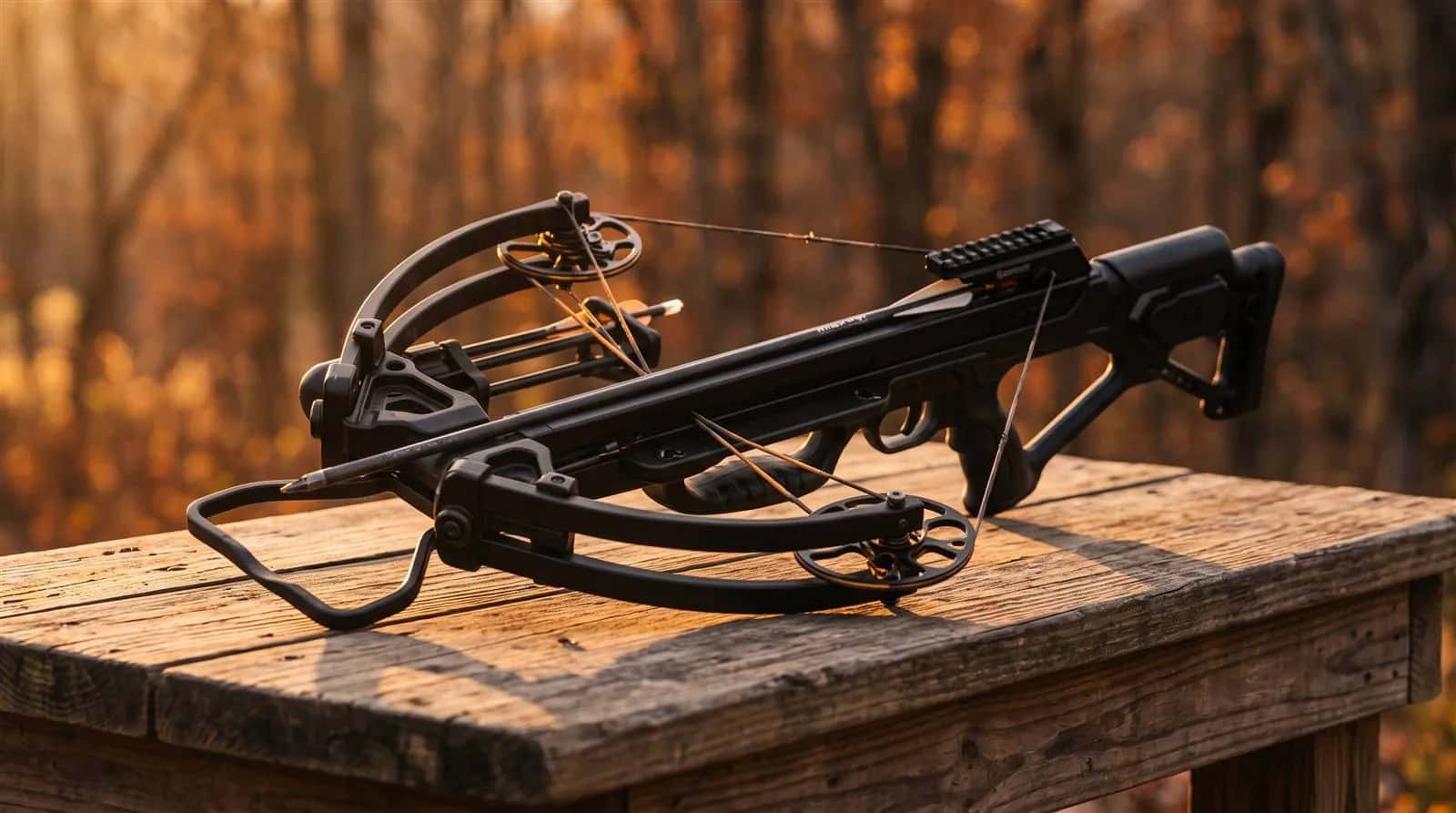
Crossbow Rail meaning: The crossbow rail, or flight deck, is the track on top of the crossbow that guides the bolt from the string to the muzzle and often carries the scope mount.
Also called: flight deck, barrel, Picatinny rail, scope rail, bolt track
The rail is the long, flat or grooved surface on top of the crossbow along which the bolt travels. It supports the bolt in line with the string, keeps it from sliding sideways and ensures the string pushes it straight. Some makers call it the barrel or flight deck.
The word rail is also used for the accessory rail, usually a Picatinny or similar standard, which carries scope rings, a red dot or other mounts. On many crossbows these are combined, with the scope mounted on the same structure that guides the bolt. On pistol designs such as the SAS Prophecy 80, the spec sheet lists a 7/8 inch Picatinny rail for accessories.
Rails include small but important parts: a groove or channel for the bolt, a bolt retention spring to hold the bolt in place, the string latch at the rear and an anti-dry-fire mechanism on some models. Keeping the rail clean and correctly lubricated protects the string and serving.
Rail terms you will meet on spec sheets
| Term | Meaning | Why it matters |
|---|---|---|
| Flight deck | The surface the bolt rests on | Supports straight bolt travel |
| Picatinny rail | Standard slotted accessory rail | Allows scope and sight mounting |
| Rail length | Length of the bolt travel and mounting surface | Affects overall length and bolt length range |
| Rail lube | Lubricant for the string contact area | Reduces string and serving wear |
Why it matters
The rail is where alignment happens. If the bolt does not sit consistently on the rail or the string tracks unevenly across it, groups open up and string wear increases.
The accessory rail decides which scopes and sights fit, so compatibility matters when you are choosing optics. See scope and zeroing for how mounting affects aiming.
How to read it on a spec sheet
- Check whether the listing means the bolt rail, the accessory rail or both.
- Look for the accessory standard, such as Picatinny, and the slot count or length available for scope mounting.
- Note the rail or overall length and compare it with the allowed bolt length.
- Check for anti-dry-fire or bolt-retention features described near the rail.
- Read the maintenance notes for the recommended rail lubricant and cleaning interval.
Common mistakes
- Using the wrong lubricant, or too much, so grit sticks to the rail and string.
- Letting the string and serving wear against a dry rail.
- Shooting bolts outside the length range listed for the rail.
- Placing fingers or thumb above or beside the rail where the string travels.
- Mounting a scope on a rail that does not match the ring standard.
How to check and care for the rail
- Before you inspect, uncock and unload the crossbow and engage the safety, then wipe the rail surface with a clean cloth and look for grit, dents or burrs.
- Check the string track for shiny or worn spots, which show contact wear.
- Apply the lubricant your manual specifies, sparingly, in the area it names.
- Test that the bolt retention spring holds a bolt firmly in place without a rattle.
- Confirm scope rings sit squarely and the mount screws are snug.
See it in our reviews
- SAS Prophecy 80 — rated 3.8/5
- Excalibur Mag Air — rated 3.4/5
Frequently Asked Questions
What is the rail on a crossbow?
The rail is the top surface that guides the bolt from the string to the muzzle. It keeps the bolt aligned with the string, and the same structure often provides a mounting standard for scopes and sights.
What is a flight deck?
Flight deck is another name for the rail or barrel section that carries the bolt. Different makers use different words, but the function is the same: support the bolt and keep it moving straight when the string is released.
What is a Picatinny rail on a crossbow?
It is a slotted mounting standard used for scopes, red dots and other accessories. A Picatinny rail lets you attach compatible rings or mounts at consistent positions, though you should check that your chosen accessory fits.
How often should I lubricate the rail?
Follow your manual. Many makers advise regular light lubrication of the string contact area, based on how often you shoot, because it reduces wear. Over-lubricating can attract dirt, so use the recommended product sparingly.
Can a bent rail affect accuracy?
Yes. A bent or damaged rail can misalign the bolt and string, and that can change point of impact and wear parts. Stop shooting and contact the manufacturer or dealer if the rail looks damaged.
Does rail length matter?
Rail length relates to overall size and the range of bolt lengths the crossbow supports. Longer rails are not automatically more accurate, so use the bolt length stated by the manufacturer.
Can I mount a red dot on the crossbow rail?
Not on the flight rail the bolt rides on. Sights attach to the separate scope mount above it, so a red dot needs a mount that fits your crossbow and must hold zero. Check your manual for approved optics and mounts.
Related guides
Guides where rail shapes a real choice.
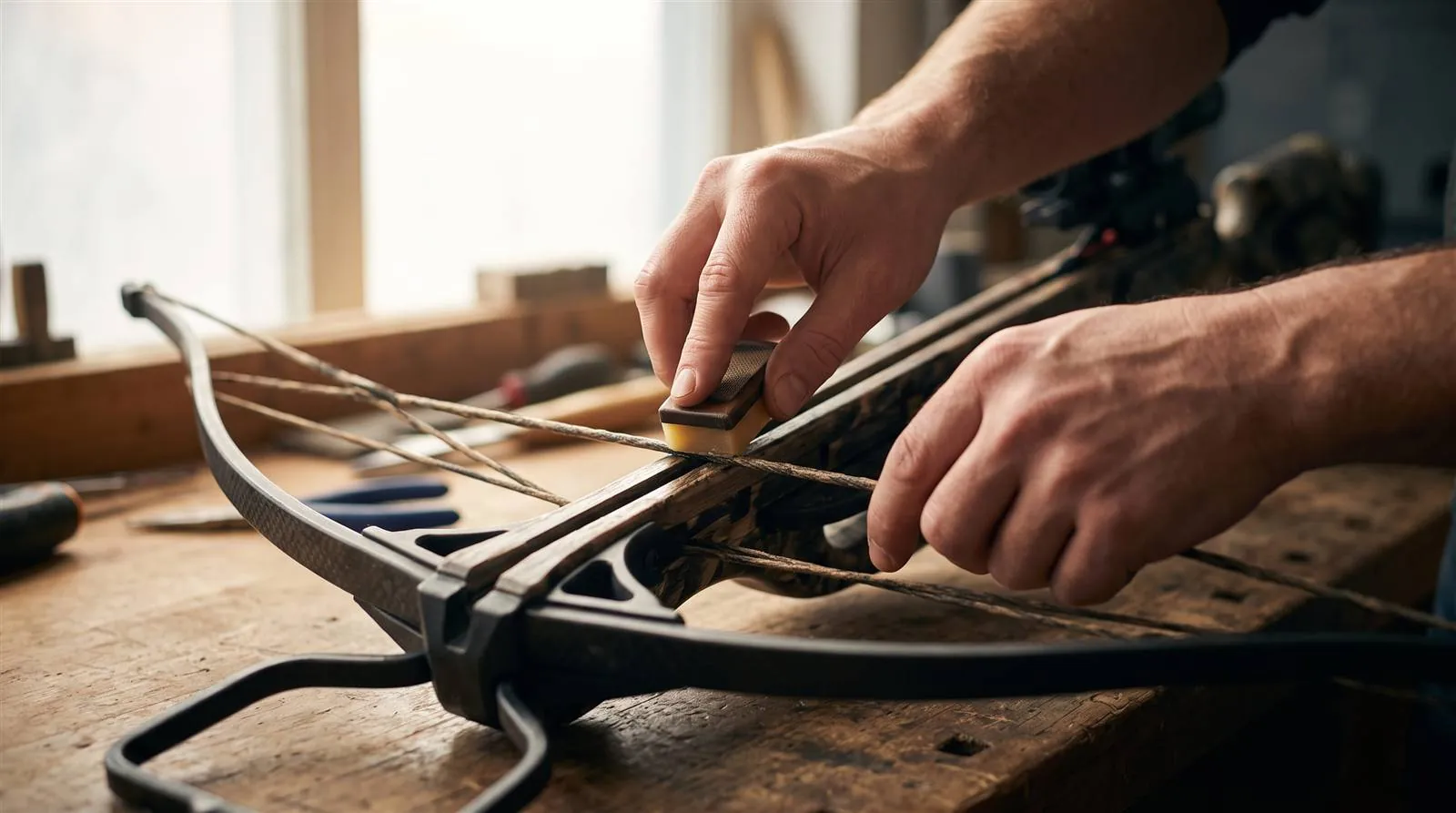 GuideCrossbow Maintenance: Wax, Lube, StoreA crossbow maintenance schedule covering the five-minute pre-shoot check, string waxing, rail lubrication, limb and cam inspection, and storage.Read the guide
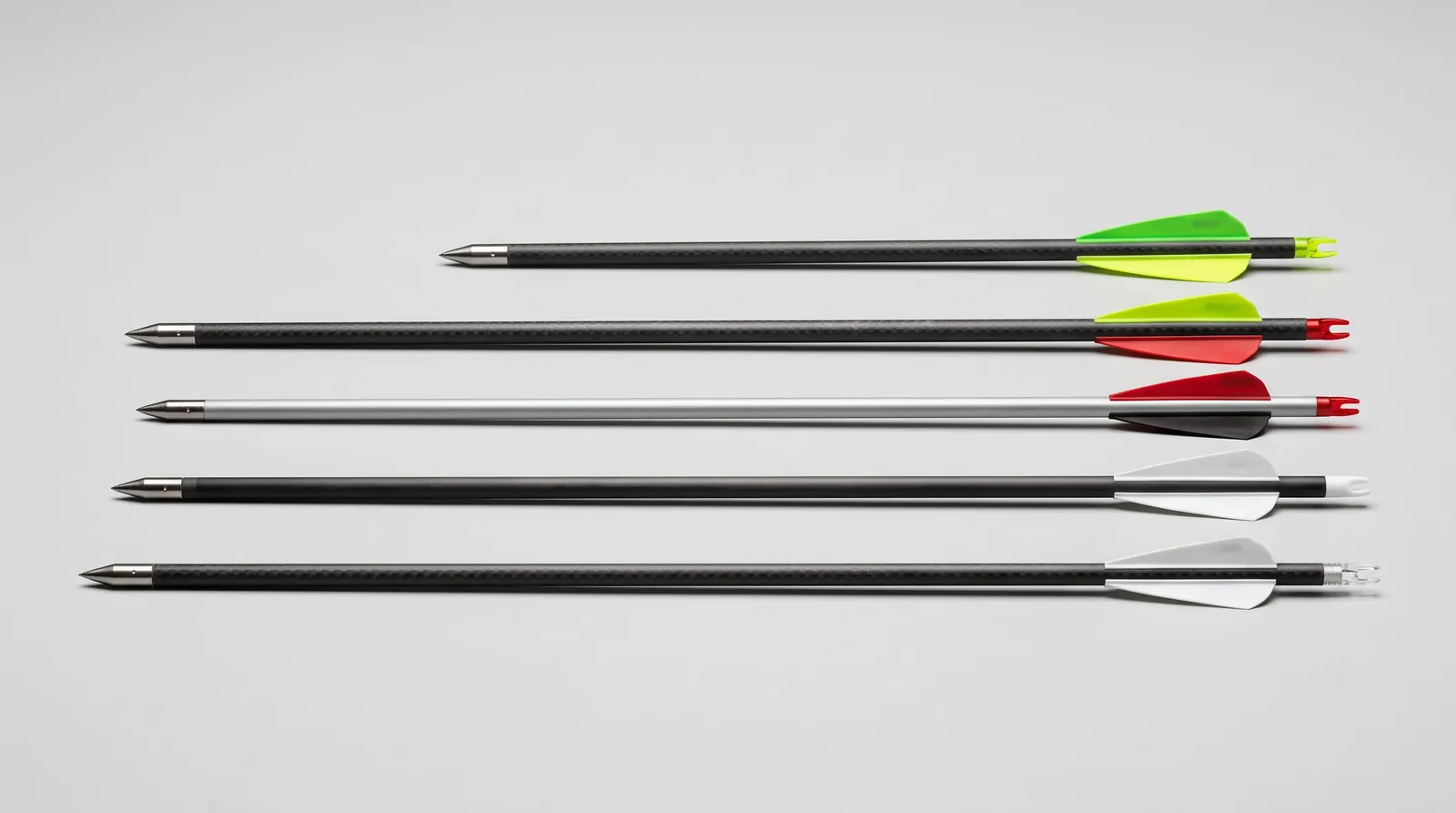 GuideHow to Choose Crossbow Bolts in 2026: Sizing GuideA six-step method for choosing crossbow bolts by length, grain weight, nock and spine, with a size chart and a worked example.Read the guide
 GuideHow to Sight In a Crossbow ScopeSighting in a crossbow scope step by step: safe lane setup, first zero, confirming each aiming point, and re-checking with your hunting tip.Read the guide
Definitions are general information. Manufacturer figures vary, so follow your crossbow's manual and verify local laws with the relevant authority.