What a discharge bolt is in plain terms
What a discharge bolt is meaning: A discharge bolt is a bolt kept for unloading a cocked crossbow by shooting it into a target or soft ground, where the manual allows that method.
Also called: discharge arrow, unloading bolt, de-cocking bolt
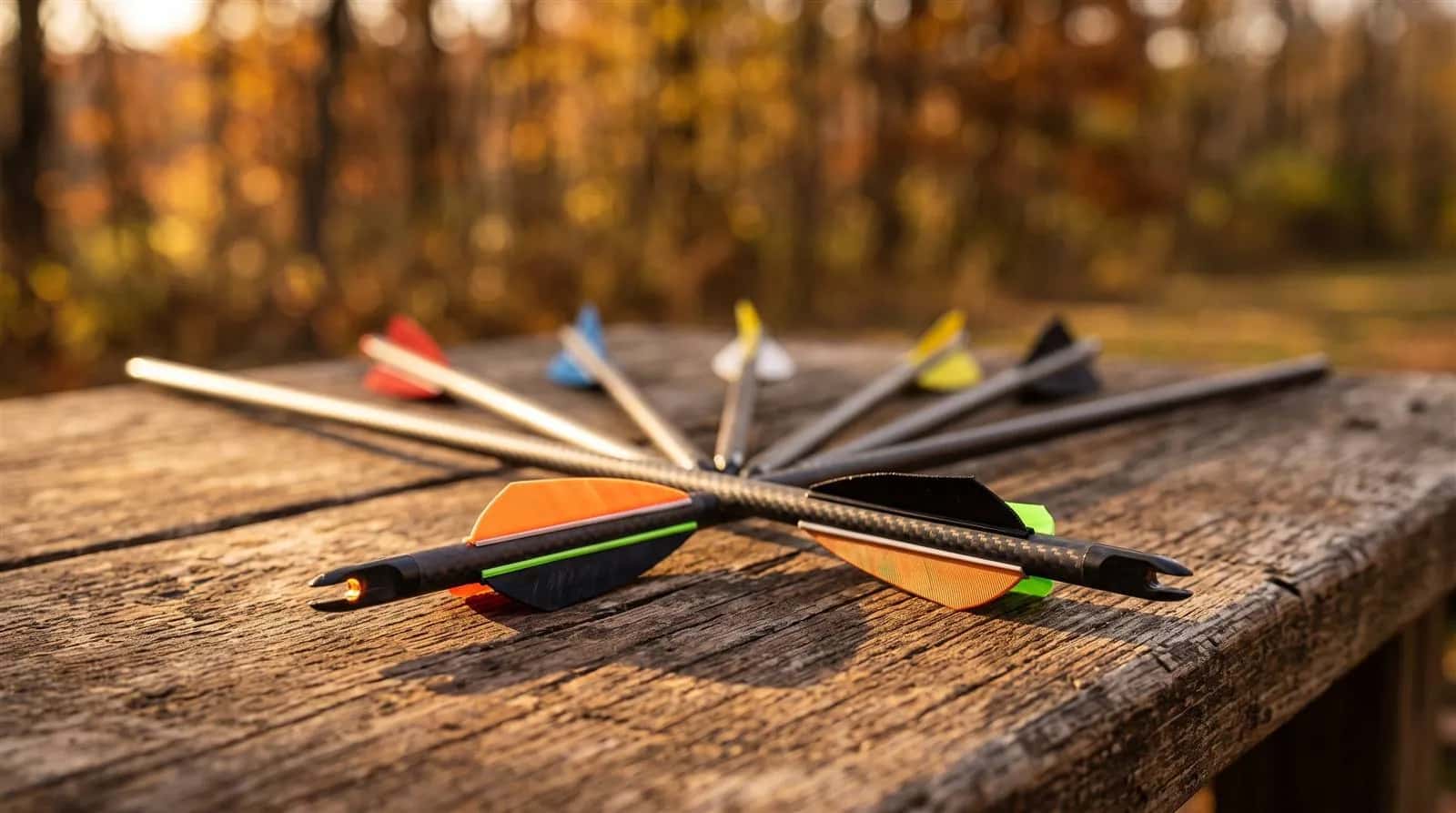
A discharge bolt is a bolt set aside for unloading a cocked crossbow at the end of a hunt. It is usually fitted with a field point or a dedicated discharge head and shot into a target or a safe dirt bank. Some makers sell discharge bolts with a blunt, wide head that stops quickly in soft ground.
Many crossbows cannot let the string down by hand or with a rope cocker, so shooting a bolt is the manufacturer-approved way to empty them. Others have a crank that can de-cock the crossbow without shooting. Your manual says which method applies; follow it exactly.
A discharge bolt must be the correct weight and length for your crossbow. Shooting with no bolt is a dry fire, and an undersized bolt can do similar damage. Our guide on how to de-cock a crossbow safely covers the full procedure.
Why it matters
Most hunts end without a shot, so a safe, planned way to unload is part of every outing with a crossbow that cannot crank down.
Keeping a separate bolt avoids shooting a broadhead into the ground and damaging it, or losing a hunting bolt.
Knowing where you will shoot it, with a safe backstop, is as important as carrying it.
How to read it on a spec sheet
- Check that the bolt meets the manufacturer minimum weight, length and nock type.
- If a product is sold as a discharge bolt or head, read which crossbows and targets it is meant for.
- Check whether your crossbow has a de-cocking crank before assuming you need one.
- Look for a bright colour or marking so it is not mistaken for a hunting bolt.
Common mistakes
- Shooting a broadhead-tipped bolt into a field-point target or the ground.
- Using a bolt below the manufacturer minimum weight.
- Firing into a bank without checking what is behind it.
- Trying to let the string down by hand on a crossbow whose maker forbids it.
See it in our reviews
- Wicked Ridge Commander 400 — rated 4.3/5
Frequently Asked Questions
What is a discharge bolt?
It is a bolt kept for unloading a cocked crossbow by shooting it into a target or safe dirt bank. It usually carries a field point or dedicated discharge head rather than a broadhead.
Do I need a discharge bolt?
You need one if your crossbow can only be unloaded by shooting, which is common. If it has a de-cocking crank, you may not, but check your manual.
Can I use any bolt as a discharge bolt?
It must meet your crossbow's specified weight, length and nock type. A light or wrong bolt can damage the crossbow in much the same way as a dry fire.
Where should I shoot a discharge bolt?
Into a target rated for crossbow speeds or a soft dirt bank with a safe backstop and nothing beyond. Never shoot into the air or at hard or rocky ground.
Is shooting a discharge bolt the same as dry firing?
No. A discharge bolt carries the energy out of the crossbow as a normal shot does. A dry fire releases the string with no bolt, which can wreck the limbs and string.
Can I reuse a discharge bolt?
Yes, if you inspect it each time for cracks, a damaged nock or a bent shaft. Retire it if you find any damage.
Related guides
Guides where discharge bolt shapes a real choice.
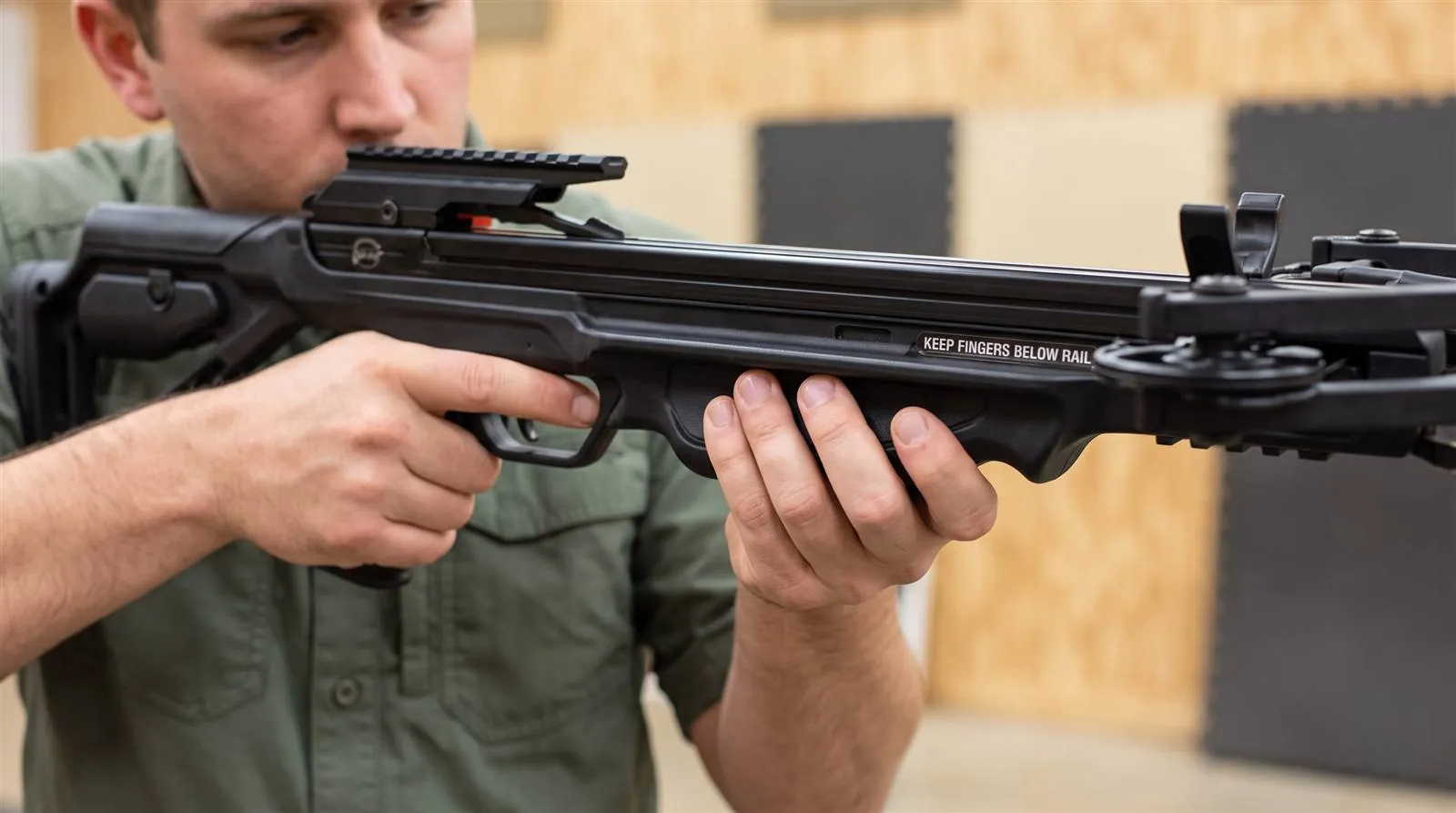 GuideCrossbow Safety Rules for BeginnersCore crossbow safety rules: finger placement below the rail, avoiding dry fire, treating a cocked crossbow as loaded, safe cocking and safe de-cocking.Read the guide
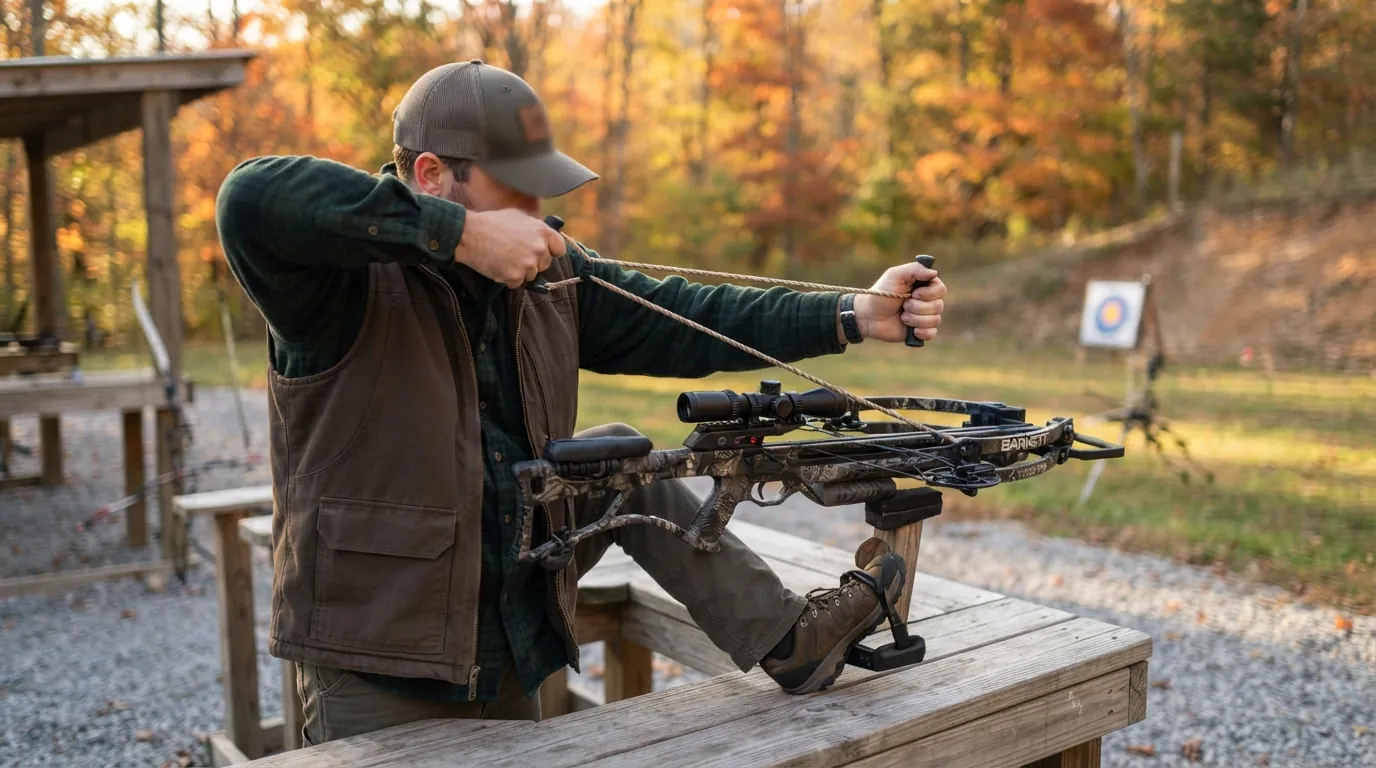 GuideHow to Cock a Crossbow: By Hand, Rope or CrankHand cocking, rope cocking, crank devices and integrated systems compared, with the steps that keep the string centered and your fingers clear.Read the guide
Definitions are general information. Manufacturer figures vary, so follow your crossbow's manual and verify local laws with the relevant authority.