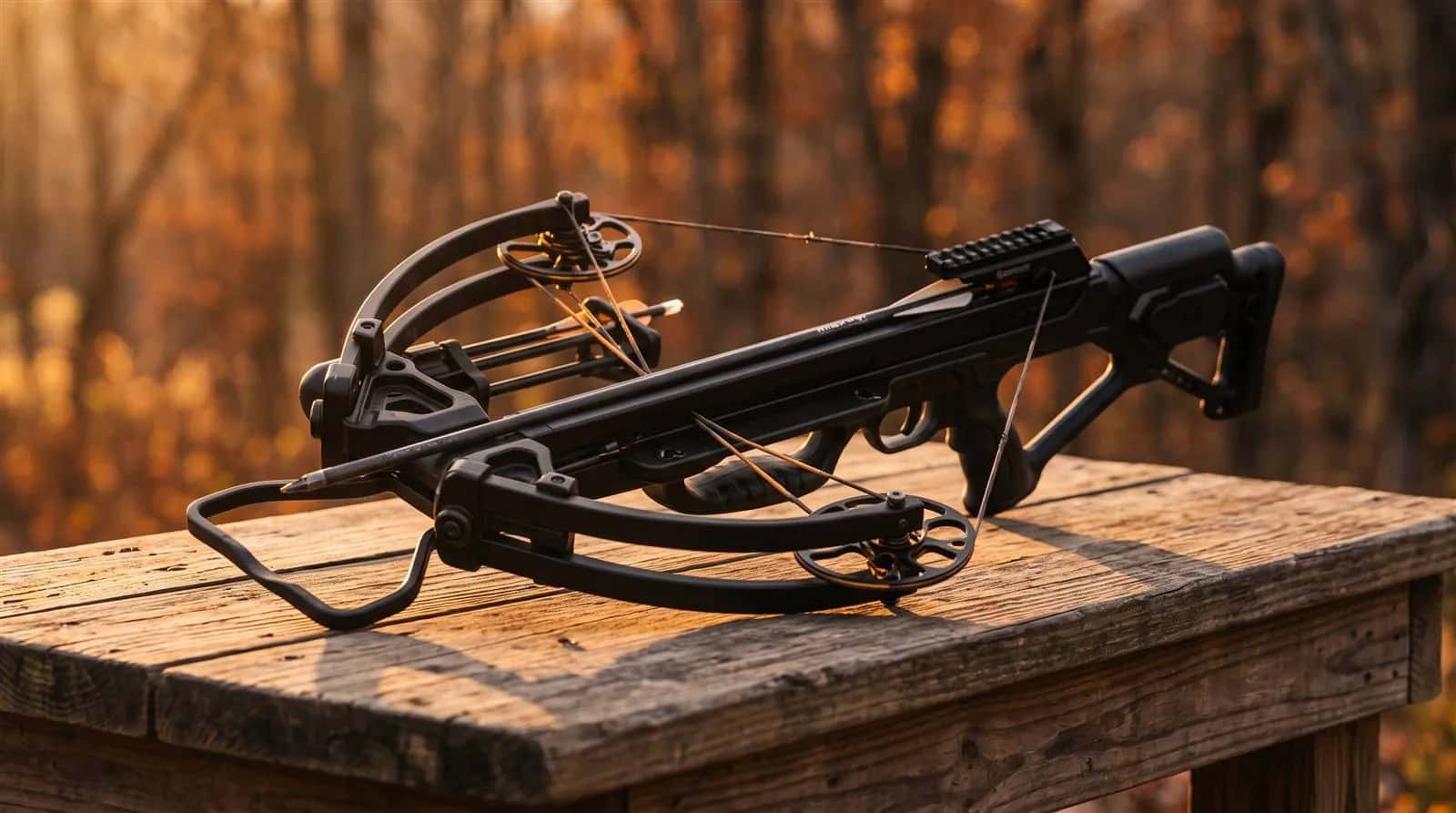
What a quartering shot is in plain terms
What a quartering shot is meaning: A quartering shot is taken at an animal angled toward or away from you; quartering away is a good crossbow shot, quartering to is one to pass.
Also called: quartering away, quartering to, quartering-away shot, quartering-to shot, quartering toward, quartering
A quartering shot is taken when the animal is angled rather than side-on. Quartering away means its rear end is closer to you and its head is turned away; quartering to (or quartering toward) means its head and chest are angled toward you.
Quartering away is one of the best crossbow shots. The bowhunter-education course used in Iowa and other states explains that turning the deer from broadside to quartering away moves the shoulder blade forward and can enlarge the reachable vital zone. The aim is to drive the bolt so it exits at or just behind the opposite front leg.
Quartering to is different. The near shoulder and leg cover much of the heart and lungs, and New York's course lists front-quartering among the angles to decline. Our crossbow deer shot placement guide covers both angles.
Why it matters
The bolt travels farther through the animal on a quartering-away shot, passing tissue and sometimes the stomach before the far lung, so penetration and broadhead choice matter more than on a broadside shot.
Getting the angle wrong is a common cause of single-lung or gut hits. Aiming at the near-side crease on a quartering-away deer puts the bolt too far forward.
Passing on quartering-to deer is one of the simplest ways to avoid a wounded animal.
How to read it on a spec sheet
- Look at the far front leg: on a quartering-away deer it is your exit point.
- The sharper the angle, the farther back on the near side the bolt must enter.
- Treat a steep quartering-away angle like a harder shot and keep it close.
- If you can see more chest than side, the deer is quartering to you; wait.
Common mistakes
- Aiming behind the near leg on a quartering-away deer, which sends the bolt forward of the far lung.
- Taking quartering-to shots because the deer is close.
- Using a head with too little penetration margin for angled shots.
- Misjudging angle from a high stand, where deer look more broadside than they are.
Frequently Asked Questions
What does quartering away mean?
It means the animal is angled away from you, with its rear closer and its head turned away. The bolt enters behind the ribs on the near side and travels forward toward the opposite front leg.
Is a quartering-away shot ethical with a crossbow?
Yes, at a sensible range with a sharp broadhead and enough energy. Bowhunter-education courses list it with broadside as one of the best angles because the shoulder moves out of the way.
Should I take a quartering-to shot?
Most hunter-education courses advise against it for archery and crossbow hunters. The shoulder and leg bones cover much of the vitals, and a bolt can deflect or stop. Wait for the deer to turn.
Where do I aim on a quartering-away deer?
Pick the opposite front leg as the exit point and aim so the bolt will pass through the vitals on the way there. On the near side, that usually means entering a little behind the last ribs.
Do I need a different broadhead for quartering shots?
The bolt has to pass more tissue, so penetration matters more. Many hunters prefer a fixed-blade head or a mechanical their crossbow drives with plenty of energy for angled shots.
How do I tell the angle from a tree stand?
Look at the spine and the legs rather than the outline. From above, deer often look more broadside than they are, so judge the line from the near hip to the far shoulder.
Related guides
Guides where quartering shot shapes a real choice.
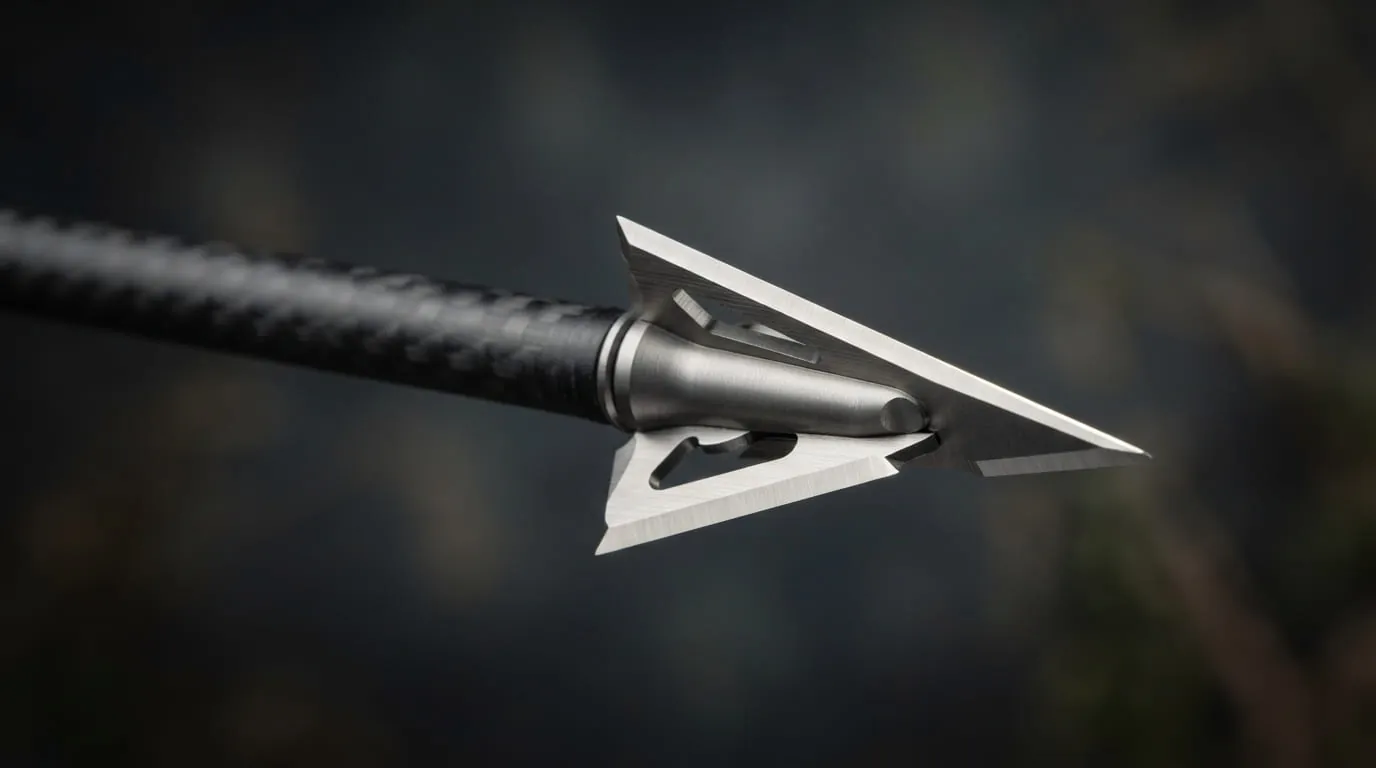 GuideFixed-Blade Broadheads for CrossbowsFixed-blade crossbow broadheads explained: single versus multi-blade designs, cutting diameter, sharpening, practice, and when to choose fixed over mechanical.Read the guide
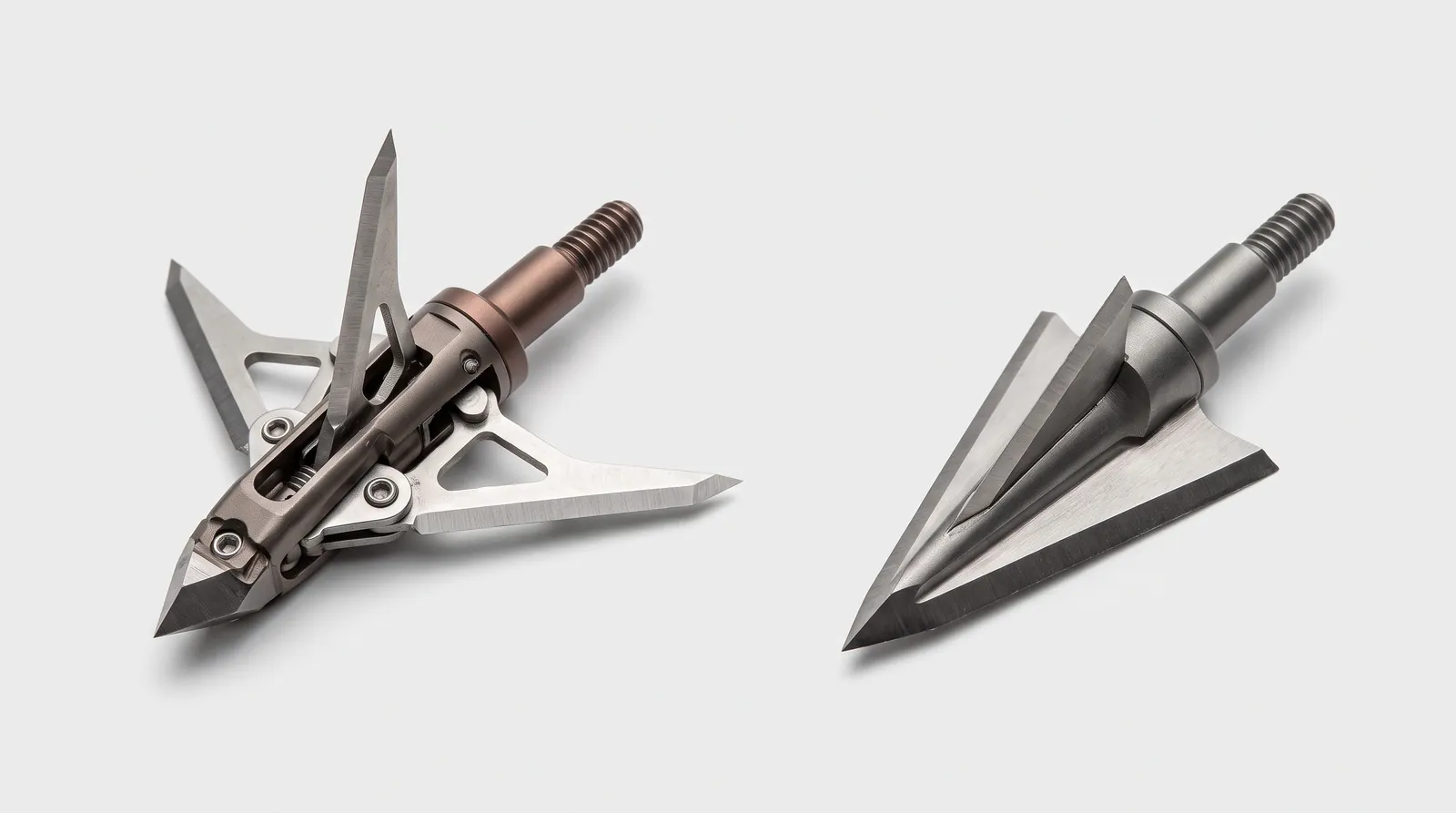 GuideBest Crossbow Broadheads for Deer 2026Four reviewed deer broadheads compared on total cut, blade design and maker speed rating, with notes on matching each head to your bolts and crossbow.Read the guide
Definitions are general information. Manufacturer figures vary, so follow your crossbow's manual and verify local laws with the relevant authority.