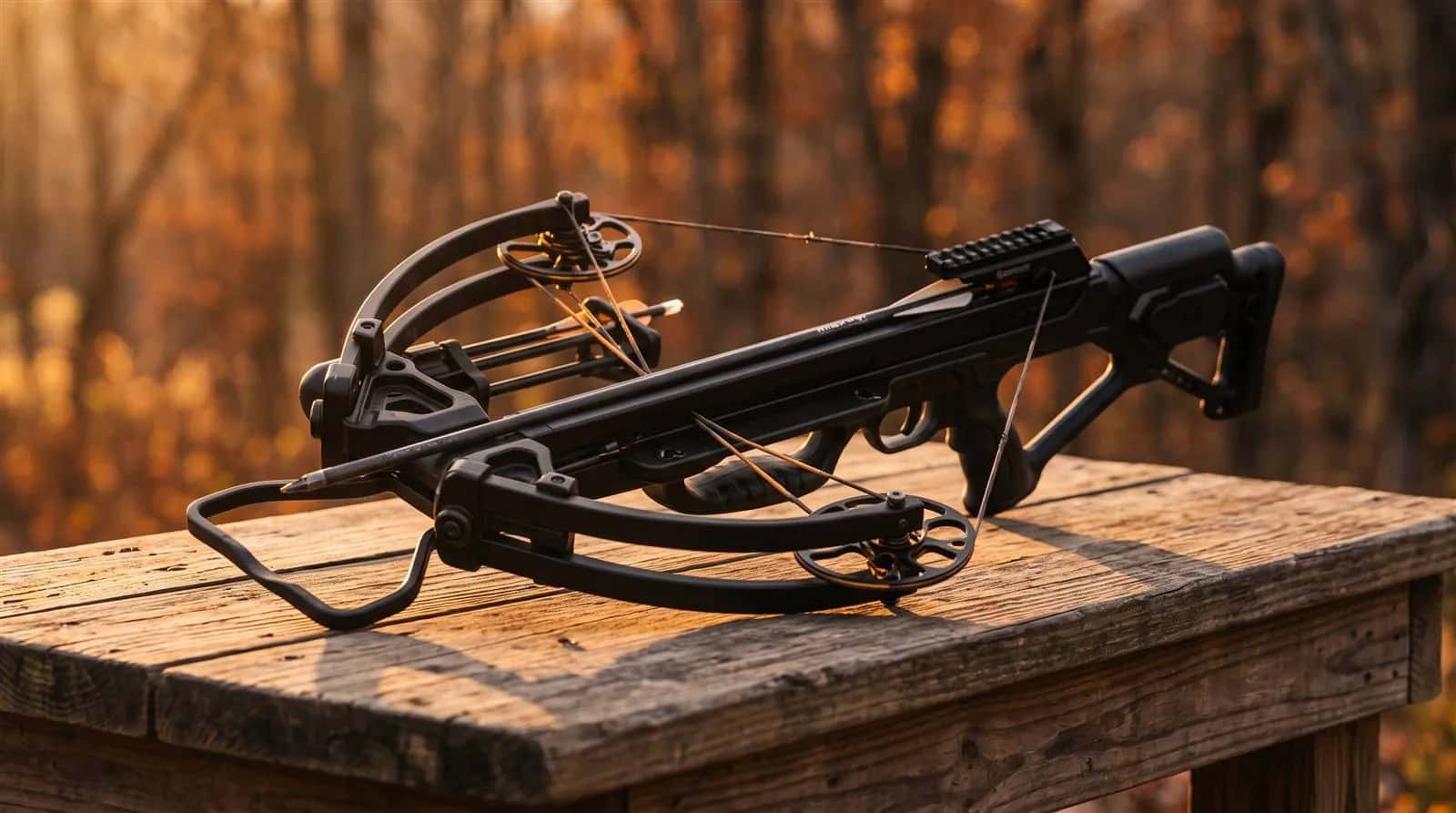
What a blood trail is in plain terms
What a blood trail is meaning: A blood trail is the line of blood and sign a hit animal leaves as it runs, which the hunter follows to recover it after the shot.
Also called: blood trailing, tracking a deer, blood tracking
A blood trail is the sign a hit animal leaves between where it was shot and where it lies: blood on the ground and brush, plus hair, tracks and disturbed leaves. Following it is how hunters recover game shot with a crossbow, because a broadhead-hit deer usually runs before it goes down.
The North Carolina Wildlife Resources Commission's recovery tips say blood colour gives clues: bright and frothy suggests a lung hit, bright and non-frothy an artery, dark blood a muscle or liver hit, and dark blood with plant material a gut hit. Large amounts of bright, frothy blood generally mean a short track.
How long to wait matters. NC WRC advises waiting at least 15 to 30 minutes before tracking unless the animal goes down in sight, and an hour or more for poorly hit animals, especially gut shots. Our crossbow deer shot placement guide covers reading the hit and the wait.
Why it matters
A hit in the vital zone with a sharp broadhead and a pass-through leaves the best trail, which is one reason exit holes and cutting width matter.
Pushing a poorly hit deer too early can turn a recoverable animal into a lost one.
Hunters are ethically obliged to make every reasonable effort to recover game, and some states have rules about tracking, including with dogs or lights; check your agency.
How to read it on a spec sheet
- Mark the spot where the deer stood and where you last saw it before climbing down.
- Check the bolt if it passed through: blood, hair and residue on it tell you about the hit.
- Mark the trail with biodegradable tissue and walk beside it, not on it.
- If the trail fades, search in widening circles or parallel lines, as NC WRC suggests.
Common mistakes
- Climbing down and following immediately after a marginal hit.
- Trampling the first blood while looking for the bolt.
- Giving up at the first gap instead of searching systematically.
- Assuming a bright lighted nock path means a good hit.
Frequently Asked Questions
How long should I wait before following a blood trail?
North Carolina WRC advises waiting at least 15 to 30 minutes unless the animal falls in sight, and an hour or more for a poor hit, especially a gut shot. Longer waits are common for liver hits.
What does blood colour tell me?
NC WRC describes bright frothy blood as a lung hit, bright non-frothy as an artery, dark as muscle or liver, and dark with plant material as a gut hit. Treat these as clues, not certainties.
Do crossbows leave good blood trails?
A well-placed bolt with a sharp broadhead that passes through usually leaves a good trail, often from both sides. Placement matters far more than the crossbow itself.
What if there is no blood?
Some hits bleed little at first, especially high hits. Search the last-seen direction carefully for tracks and disturbed leaves, get help, and avoid pushing the animal.
Can I use a dog or a light to track a deer?
Rules vary by state. Some allow leashed tracking dogs or lights for recovery and some do not. Check your state wildlife agency regulations before the season.
Should I approach a downed deer straight away?
Approach from behind and watch for breathing. NC WRC notes that open eyes and no blink response when touched near the eye usually mean the animal is dead.
Related guides
Guides where blood trail shapes a real choice.
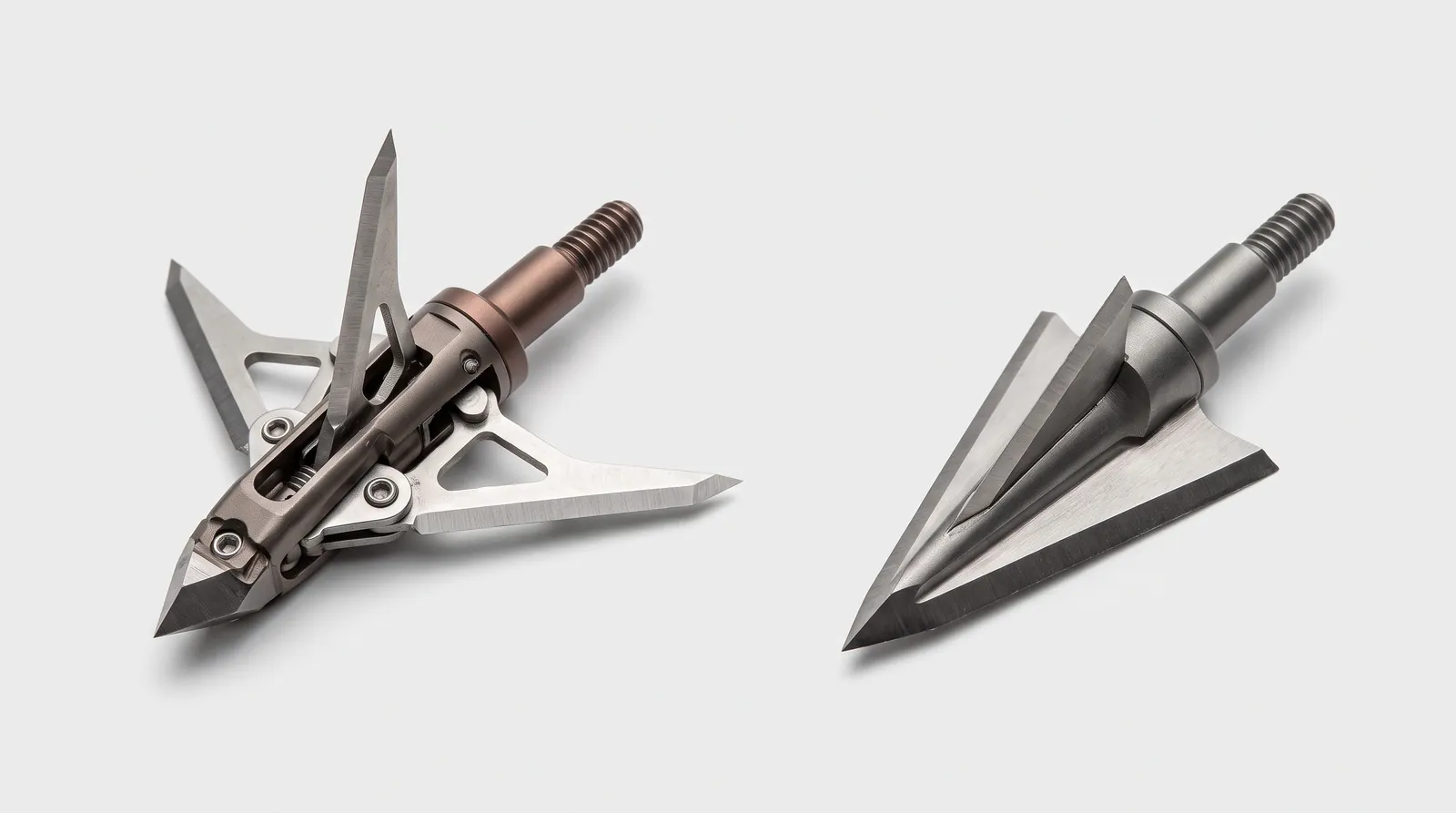 GuideBest Crossbow Broadheads for Deer 2026Four reviewed deer broadheads compared on total cut, blade design and maker speed rating, with notes on matching each head to your bolts and crossbow.Read the guide
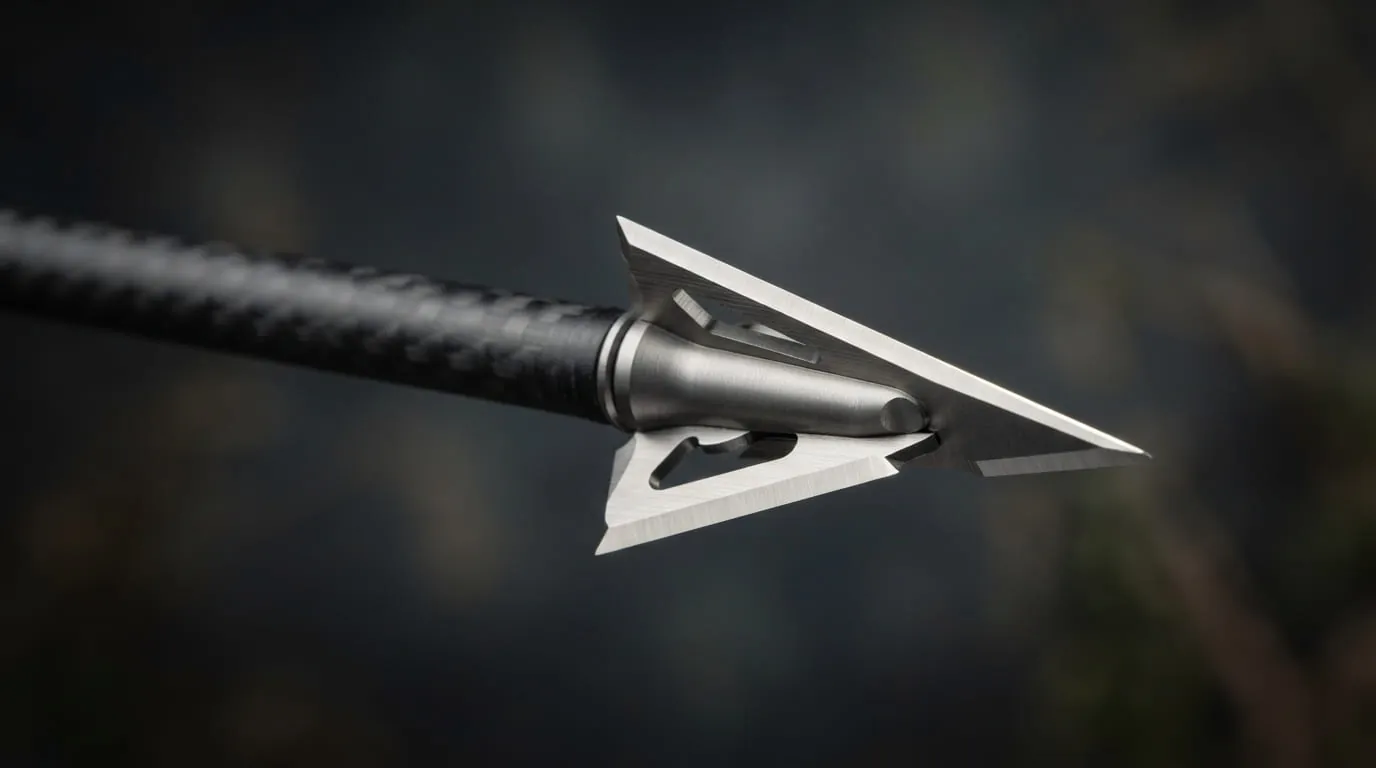 GuideFixed-Blade Broadheads for CrossbowsFixed-blade crossbow broadheads explained: single versus multi-blade designs, cutting diameter, sharpening, practice, and when to choose fixed over mechanical.Read the guide
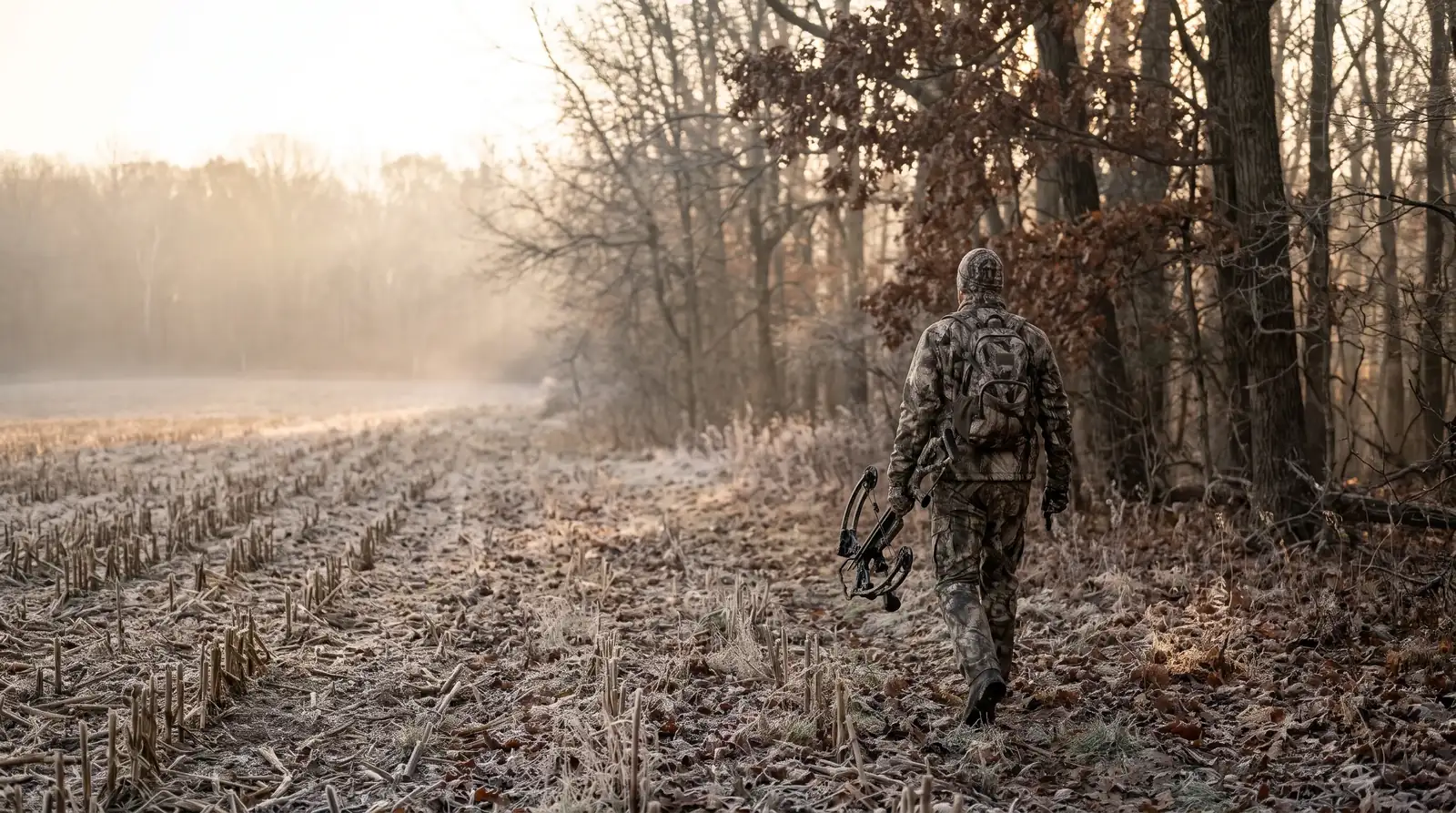 GuideCrossbow Hunting Guide: Game, Setup, Shot and RecoveryThe crossbow hunting hub: game and energy guidance, legality, pre-season setup, stand or blind, shot placement, tracking, gear and safety.Read the guide
Definitions are general information. Manufacturer figures vary, so follow your crossbow's manual and verify local laws with the relevant authority.