Crossbow Cutting Diameter in plain terms
Crossbow Cutting Diameter meaning: Cutting diameter is the width of the cut a broadhead makes, from blade tip to blade tip, usually given in inches.
Also called: cut diameter, total cut, broadhead cutting diameter
Cutting diameter is the widest distance across a broadhead's blades, measured from one blade tip to the opposite side. It tells you how wide a cut the head makes as it passes through.
On a fixed-blade broadhead, the cutting diameter in flight is the same as on impact. On a mechanical broadhead, the blades are folded in flight and open on impact, so the head flies with a small profile and cuts a wider path once open. Some makers also quote a total cut, which adds the widths of all the blades together and gives a larger number than cutting diameter.
Cutting diameter is one of several factors in broadhead performance, alongside sharpness, blade count, construction, bolt weight and, above all, shot placement.
Cutting diameter of broadheads I have reviewed
| Broadhead | Type | Published figure |
|---|---|---|
| Ravin R102 | Mechanical, 100 grain | 2 in cutting diameter |
| TenPoint Nemesis | Hybrid mechanical, 100 grain | 3.75 in total cut |
Why it matters
A wider cut makes a larger wound channel, which hunters value for blood trails and margin on a less-than-perfect hit. That is why mechanical heads advertise large diameters.
A wider cut also needs more energy to push through. A large mechanical head on a light, slow setup can lose penetration, so cutting diameter has to be matched to the kinetic energy your crossbow and bolt deliver.
Labels are not always comparable. Cutting diameter and total cut measure different things, so a head quoting 3.75 in total cut is not necessarily wider than one quoting a 2 in cutting diameter. Compare like with like.
How to read it on a spec sheet
- Check whether the figure is cutting diameter or total cut before comparing two heads.
- For mechanical heads, note both the in-flight diameter and the open cutting diameter.
- Read the speed rating; many mechanical heads are rated for a maximum FPS.
- Look at blade count and thickness alongside diameter.
- Check your state's rules; some set minimum cutting widths or restrict mechanical heads.
Common mistakes
- Choosing the widest head on the shelf without checking your crossbow's energy.
- Comparing total cut on one package with cutting diameter on another.
- Assuming a wider head makes up for poor shot placement.
- Skipping practice with the actual broadhead because it is the same weight as your field points.
- Shooting a mechanical head faster than its speed rating.
Choosing a cutting diameter
- Check your state hunting rules for any minimum width or broadhead restrictions.
- Find your setup's kinetic energy with the calculator using measured speed and bolt weight.
- Match head weight to your bolt and the crossbow maker's requirements.
- Choose between fixed and mechanical based on your game and your energy margin.
- Shoot the broadhead at practice distances before hunting and confirm it groups with field points.
See it in our reviews
- Ravin R102 Broadhead — rated 4.4/5
- TenPoint Nemesis Broadhead — rated 4.6/5
Frequently Asked Questions
What is a good cutting diameter for a crossbow broadhead?
There is no single best number. Fixed blades often sit around an inch to an inch and a half, while mechanicals commonly open to two inches or more. Match the diameter to your crossbow's energy and the game you hunt.
What is the difference between cutting diameter and total cut?
Cutting diameter is the width from blade tip to blade tip. Total cut adds the widths of all the blades together, so it is a bigger number. They measure different things and should not be compared directly.
Do crossbows suit mechanical broadheads with large cutting diameters?
Many do, because crossbows usually carry plenty of kinetic energy. Still check the broadhead's speed rating and your measured energy, and practise with the head to confirm it flies and opens reliably.
Does a bigger cutting diameter reduce penetration?
It can. A wider cut takes more energy to drive through, so on lower-energy setups a large diameter may penetrate less. Heavier bolts and higher energy help keep penetration up with wider heads.
Are there legal minimum cutting diameters?
Some states set minimum broadhead widths or have rules about mechanical heads. Rules change, so check your state wildlife agency's current regulations before you buy broadheads for a hunt.
Does cutting diameter affect accuracy?
It can. Large fixed blades act like small wings and can steer a bolt, while mechanicals fly with a small profile and usually track closer to field points. Practise with the exact head you will hunt with.
Related guides
Guides where cutting diameter shapes a real choice.
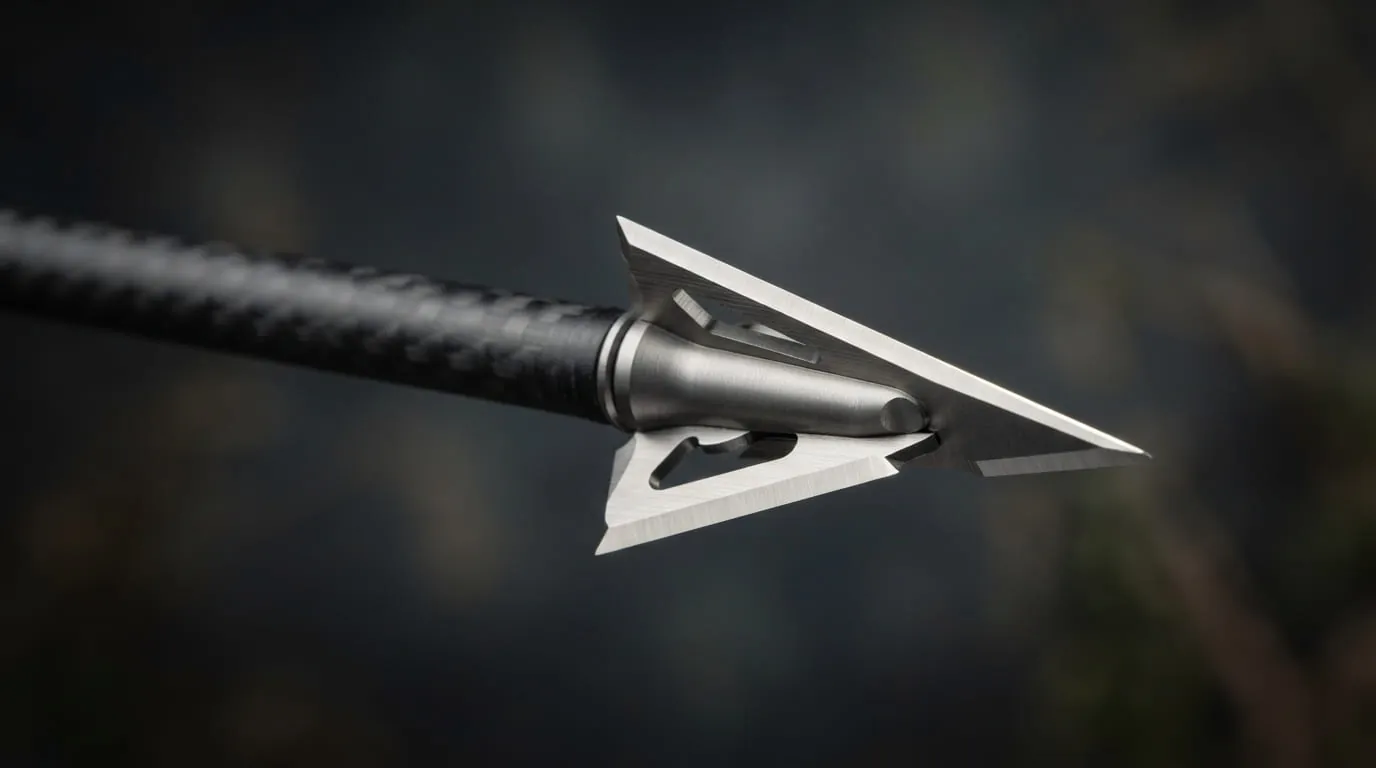 GuideFixed-Blade Broadheads for CrossbowsFixed-blade crossbow broadheads explained: single versus multi-blade designs, cutting diameter, sharpening, practice, and when to choose fixed over mechanical.Read the guide
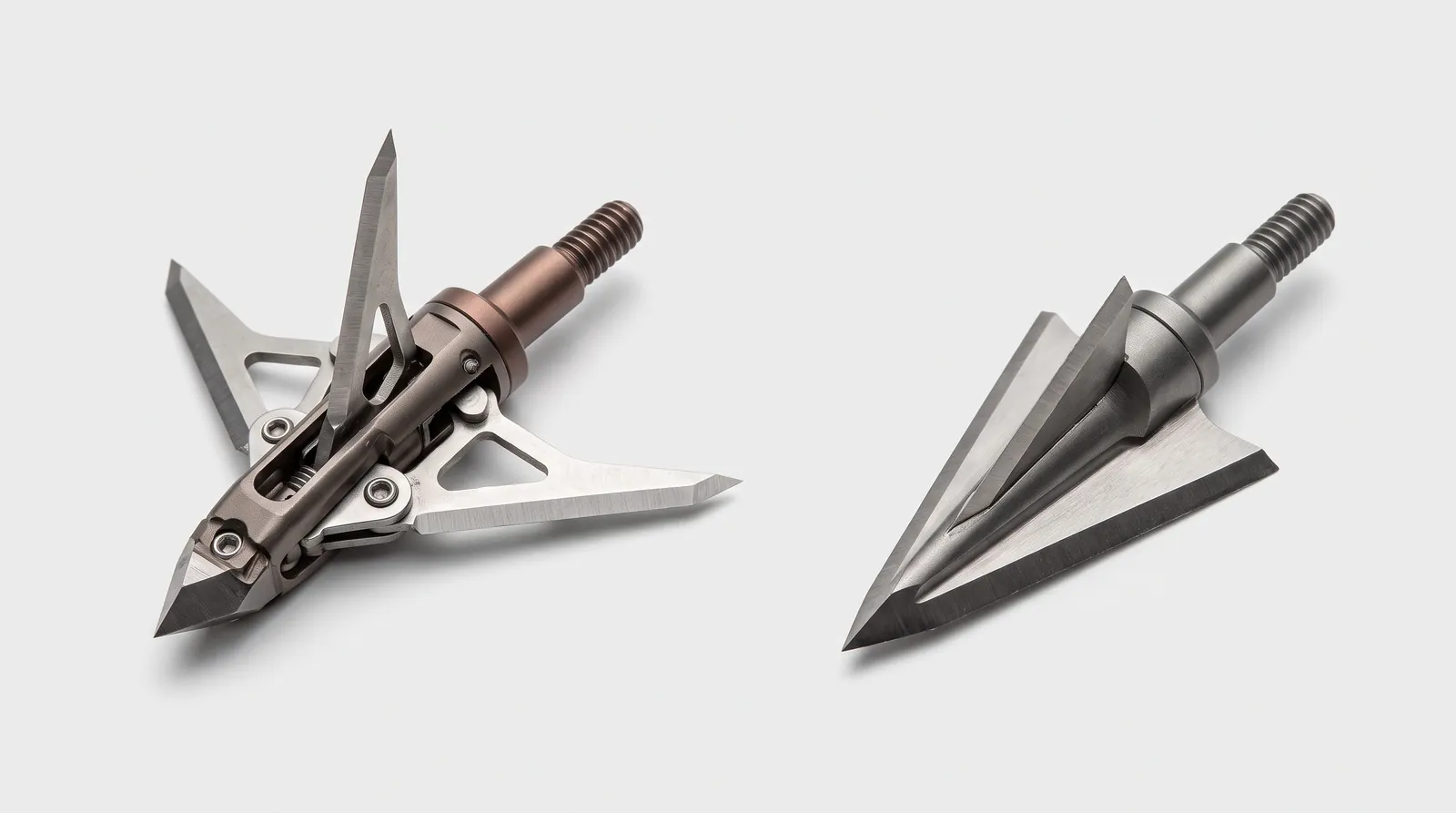 GuideBest Crossbow Broadheads for Deer 2026Deer broadheads compared on cutting diameter, blade design and speed rating, with notes on matching each head to your bolts and field points.Read the guide
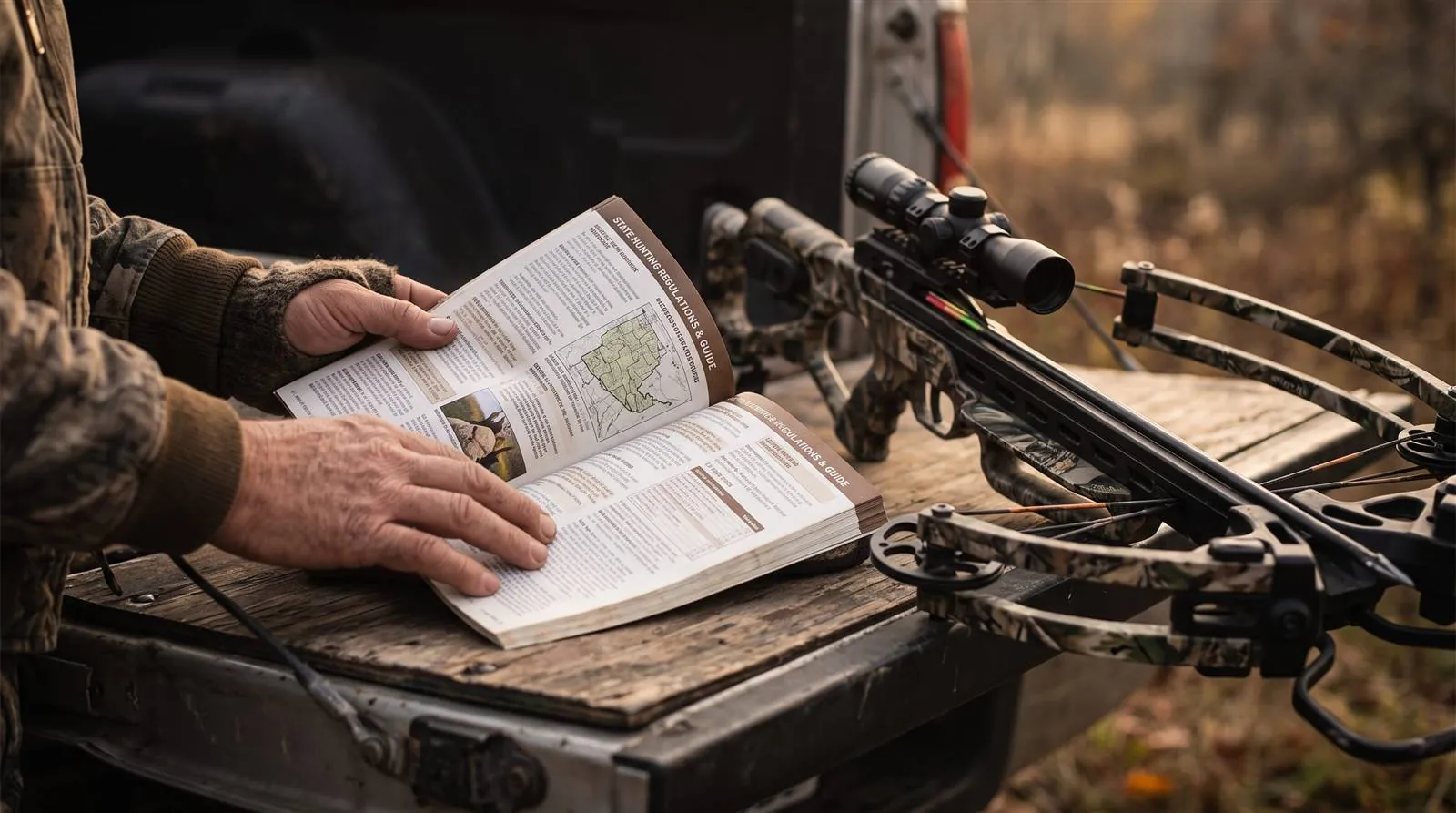 GuideCrossbow Hunting Laws by State (2026)Crossbow hunting rules by state for the current season: who may use a crossbow and when, licensing, equipment limits, and the official sources to verify.Read the guide
Definitions are general information. Manufacturer figures vary, so follow your crossbow's manual and verify local laws with the relevant authority.