What a tree stand is in plain terms
What a tree stand is meaning: A tree stand is a platform that lets a hunter sit or stand above the ground in a tree, above a deer's line of sight and scent.
Also called: treestand, hang-on stand, ladder stand, climbing stand
A tree stand is an elevated platform fixed to a tree so a hunter can wait above the ground. Height helps keep movement out of a deer's eye line and lifts scent, which is why stands are a standard way to hunt whitetails with a crossbow.
The main types are hang-on stands strapped to the trunk and reached by climbing sticks or steps, ladder stands with a built-in ladder, and climbing stands that walk up a straight trunk in two parts. A related method, saddle hunting, replaces the platform with a harness-style seat and a small step; it uses the same fall-arrest principles.
Every stand type carries a fall risk. Wisconsin DNR advises a full-body harness every time you hunt above the ground, a lifeline while climbing, three points of contact, and a haul line for your crossbow. The Treestand Manufacturers Association (TMA) sets standards for stands and harnesses and offers a free online safety course. Our crossbow safety rules cover the procedure.
Why it matters
Falls from tree stands are a leading cause of serious hunting injuries, and they happen most while climbing in and out. Safety gear that stays attached from ground to stand and back is the reason harness and lifeline advice exists.
A stand changes the shot. Steeper angles shrink the vital zone, and the crossbow's width and length must clear the trunk and the stand's shooting rail.
A crossbow is never carried up a stand in your hands. Agencies advise raising it unloaded on a haul line once you are secured.
How to read it on a spec sheet
- Look for TMA certification on the stand and harness; Wisconsin DNR and other agencies tell hunters to use certified equipment.
- Check the weight rating against you plus clothing, pack and crossbow.
- Note the seat and platform size if you shoot a long or wide crossbow from a seated position.
- Read the manufacturer instructions and inspect straps and hardware every season.
Common mistakes
- Climbing without being connected, then clipping in only at the top.
- Using a homemade or permanently left stand whose straps have weathered.
- Climbing with the crossbow in hand or slung on a back.
- Using a long tether that lets you fall below the platform.
Frequently Asked Questions
What is a tree stand used for?
It raises the hunter above the ground, where movement and scent are less likely to reach deer. Crossbow hunters use stands over trails, food sources and bedding edges to get close, relaxed shots.
What safety equipment do I need for a tree stand?
State agencies such as Wisconsin DNR advise a full-body harness every time you are above the ground, a short tether, a lifeline for climbing, and a haul line for your crossbow and pack.
How do I get my crossbow into a tree stand?
Climb with empty hands, attach yourself to the tree, then raise the crossbow on a haul line with no bolt loaded. Our crossbow safety rules for beginners guide sets out the full procedure.
What is saddle hunting?
It is a mobile method where the hunter sits in a harness-style saddle attached to the tree and stands on a small platform or step. It uses the same fall-arrest gear and connection principles as a tree stand.
Is a ladder stand safer than a hang-on stand?
Each type has its own risks. A ladder stand is easier to climb, but every stand type requires a harness and a connection to the tree from the ground up. Follow the maker instructions for setup.
Does a tree stand change where I aim?
Yes. From height you aim higher on the near side so the bolt exits low on the far side through both lungs, and very close deer below the stand present poor angles.
Related guides
Guides where tree stand shapes a real choice.
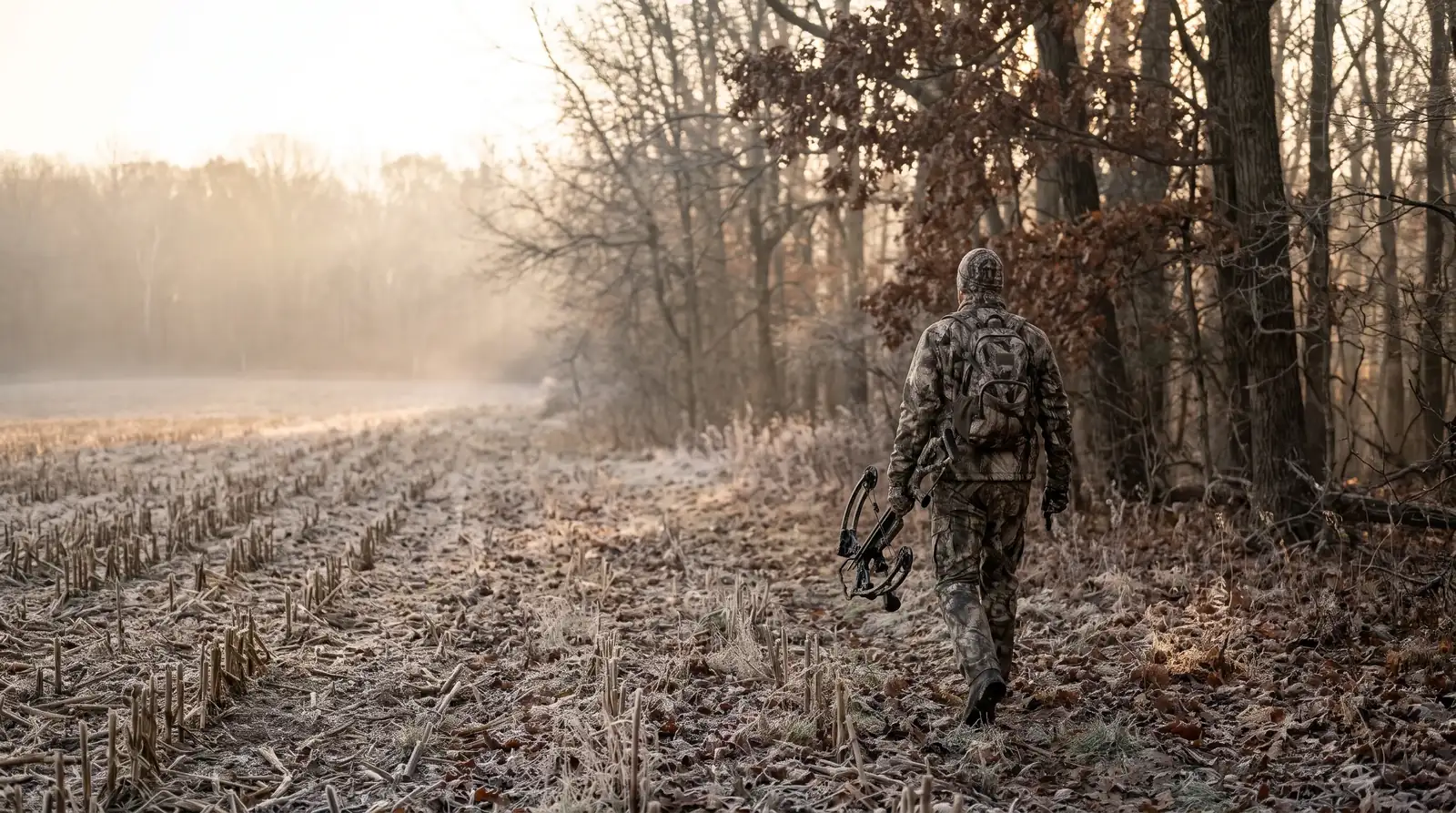 GuideCrossbow Hunting Guide: Game, Setup, Shot and RecoveryThe crossbow hunting hub: game and energy guidance, legality, pre-season setup, stand or blind, shot placement, tracking, gear and safety.Read the guide
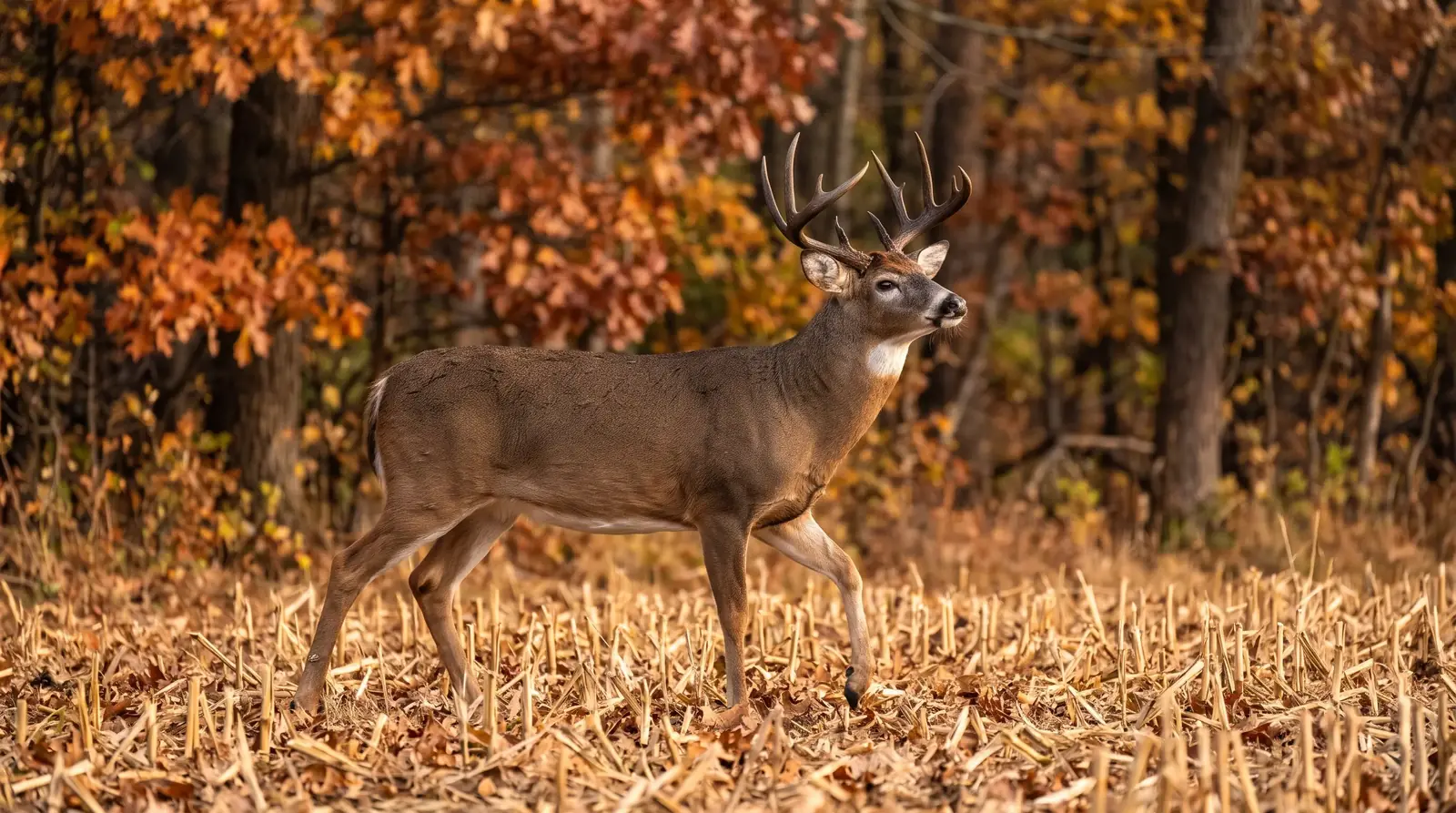 GuideCrossbow Shot Placement on Deer: Every Angle ExplainedThe vital zone, the take-or-pass call for every angle, tree stand aim points, string jumping, and how long to wait after the shot.Read the guide
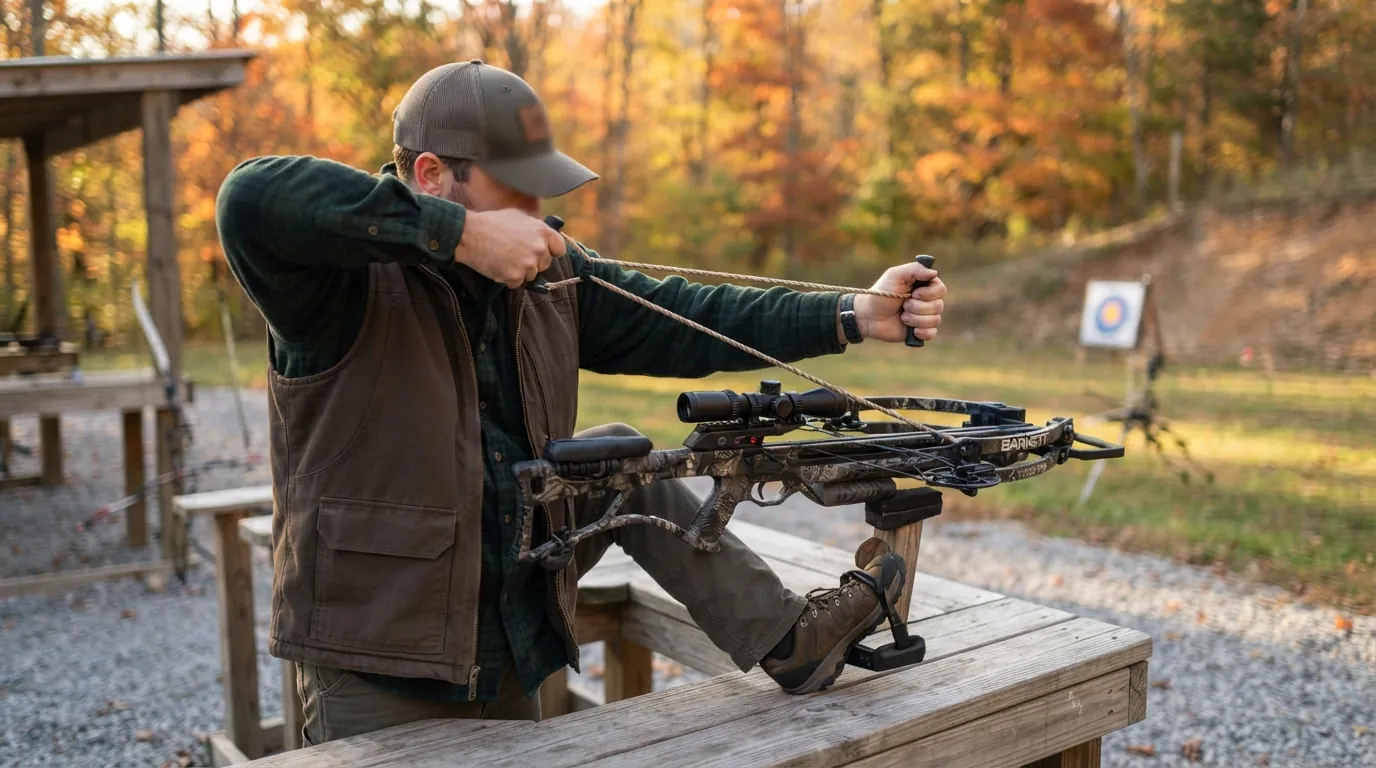 GuideHow to Cock a Crossbow: By Hand, Rope or CrankHand cocking, rope cocking, crank devices and integrated systems compared, with the steps that keep the string centered and your fingers clear.Read the guide
Definitions are general information. Manufacturer figures vary, so follow your crossbow's manual and verify local laws with the relevant authority.