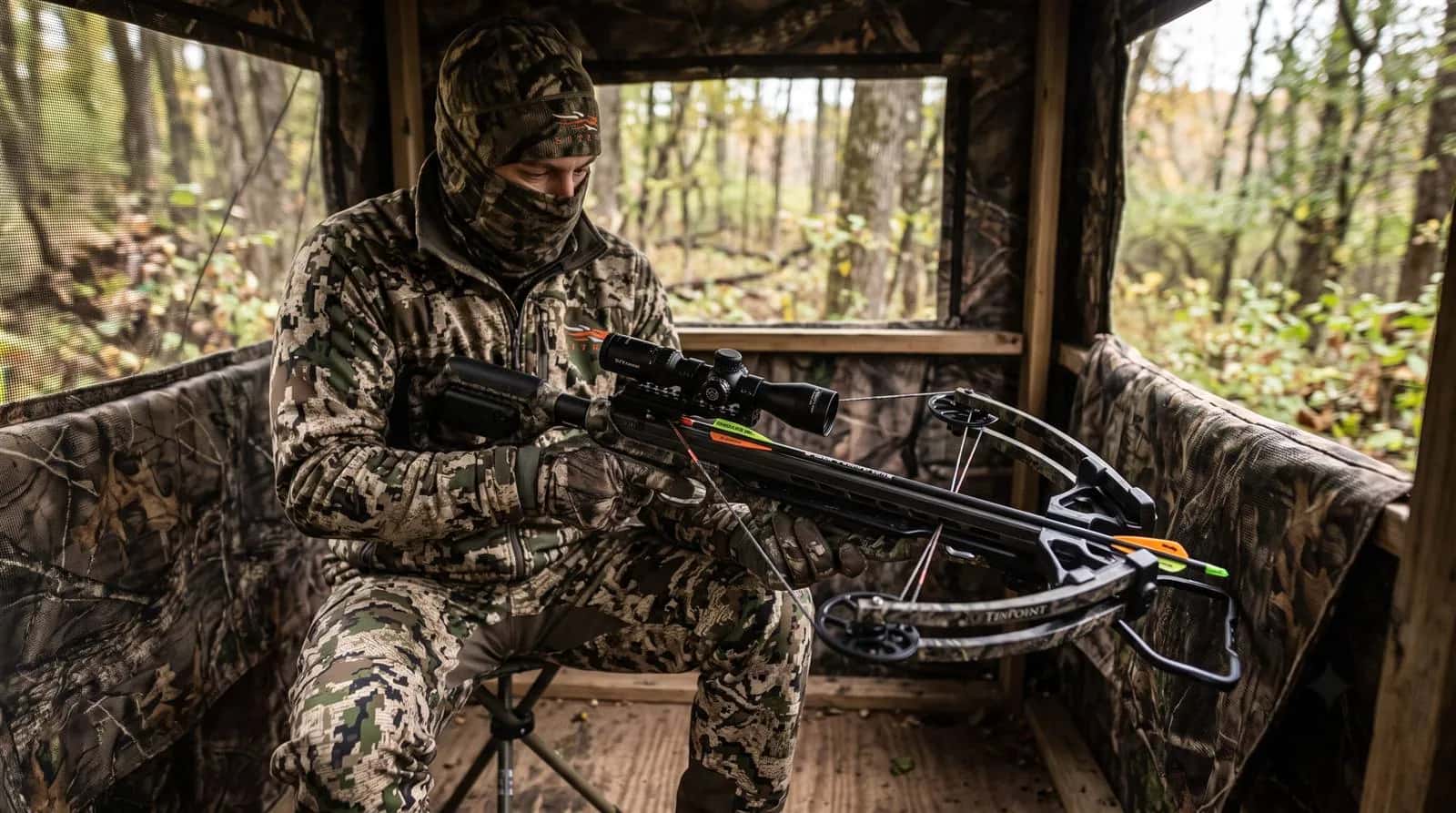
Ask ten hunters whether a crossbow is the easy option and you will hear ten different answers, because "easy" can mean quick to learn, light on strength, or simple to use well. Equipment changes some of those and none of the others.
This guide separates them. It compares what the equipment asks of you, the learning curve, the strength, the practice time and the responsibilities that do not change, and it stays on equipment, ethics and legality. It is for newcomers deciding where to start, returning hunters weighing a change, and anyone who has heard the "cheating" argument and wants a fair read. Crossbow hunting is only an option where it is permitted, so verify current local rules first.
What "Easier" Can Mean
| Meaning of "easier" | Crossbow vs compound bow | Notes |
|---|---|---|
| Easier to learn to shoot | Crossbow, usually | A held string and trigger remove the draw-anchor-release sequence |
| Less physical strength | Crossbow, with a cocking aid | Felt effort can fall to roughly 5 lbs on some integrated systems |
| Less time to be proficient | Crossbow, usually | Fewer form variables to practice |
| Faster to reload | Compound bow | A crossbow must be re-cocked |
| Easier to carry | Varies | Depends on the models; compact crossbows narrow the gap |
| Easier to be ethical and legal | Neither | Judgement, restraint and compliance are the same |
For a detailed side-by-side of the equipment itself, including speed, noise and cost, read our crossbow vs compound bow comparison.
Where the Equipment Is Easier
Learning to shoot consistently
A cocked crossbow holds its own draw weight. Your job at the moment of release is a steady hold and a smooth trigger press, closer to rifle shooting than to drawing a bow. A new shooter does not have to build the same repeatable form, anchor point and release that a compound bow demands, which is why many beginners get to tight groups sooner.
That does not mean crossbow shooting needs no practice. A scope still needs to be sighted in, and trigger control and steady support matter. It simply has fewer variables.
Physical strength
A compound bow asks the shooter to draw it, and let-off lightens the hold but does not remove it. A crossbow moves the effort to the cocking step. Our reviews measured a range:
- The TenPoint Titan X De-Cock has 190 lbs of true draw weight, and its integrated ACUdraw De-Cock system reduced felt effort to roughly 5 lbs.
- The Barnett Hyper Whitetail 410 has 190 lbs of true draw weight, and its rope-cocking sled reduced felt effort to roughly 95 lbs.
- The Avalanche Anaconda has 175 lbs of draw weight and a rope cocking aid, and still takes noticeably more effort than any integrated system I tested.
So "less strength" is true only with the right aid. Our guide to draw weight by body size helps match a crossbow to the person.
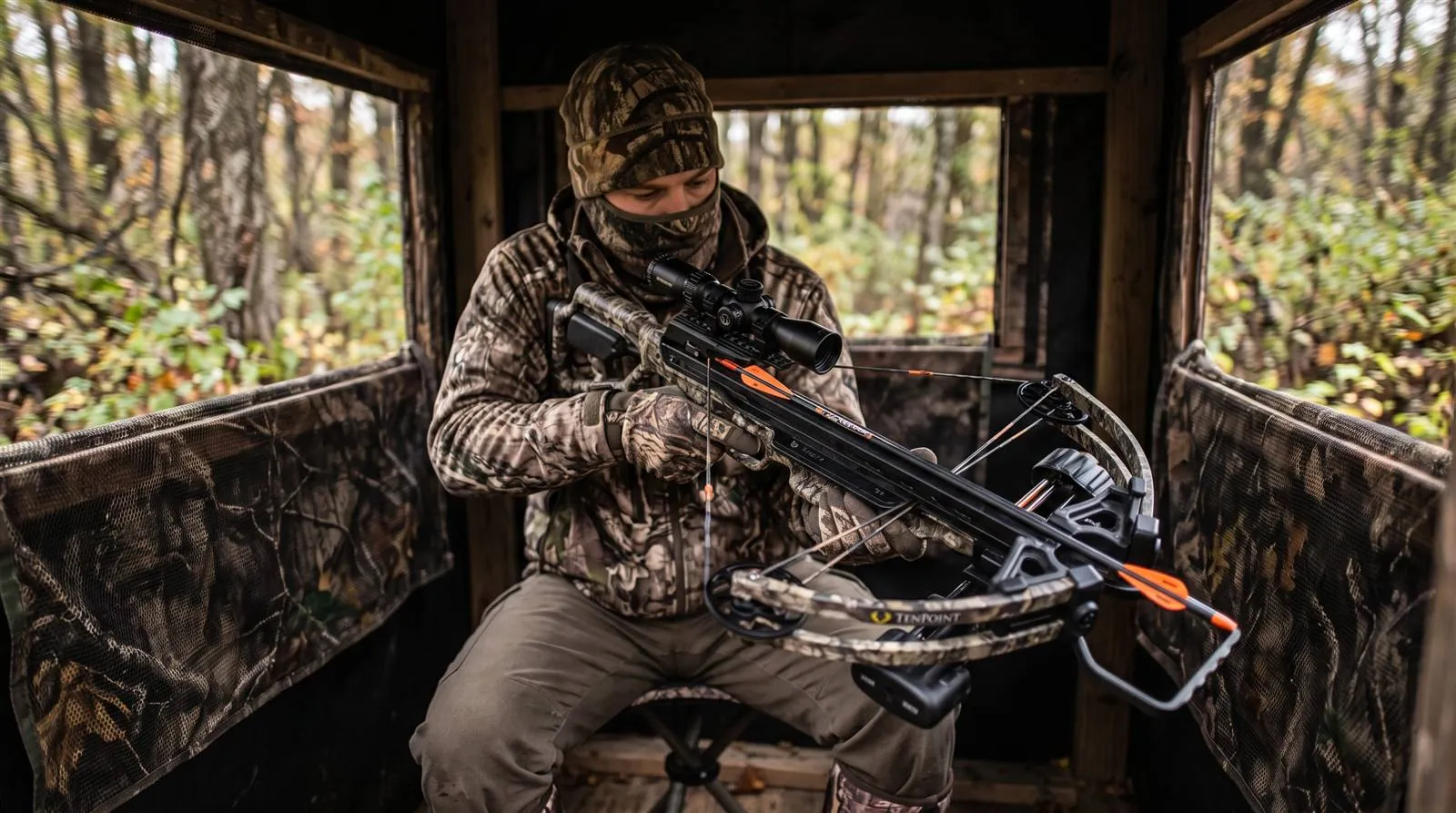
Accessibility
For hunters who are older, recovering from an injury or limited in range of motion, a crossbow can be the difference between continuing and stopping. Our review of the TenPoint ACUdraw describes it as an accessibility improvement for shooters with limited upper-body strength. Many jurisdictions recognize this in their own rules, which differ widely, so confirm what applies to you.
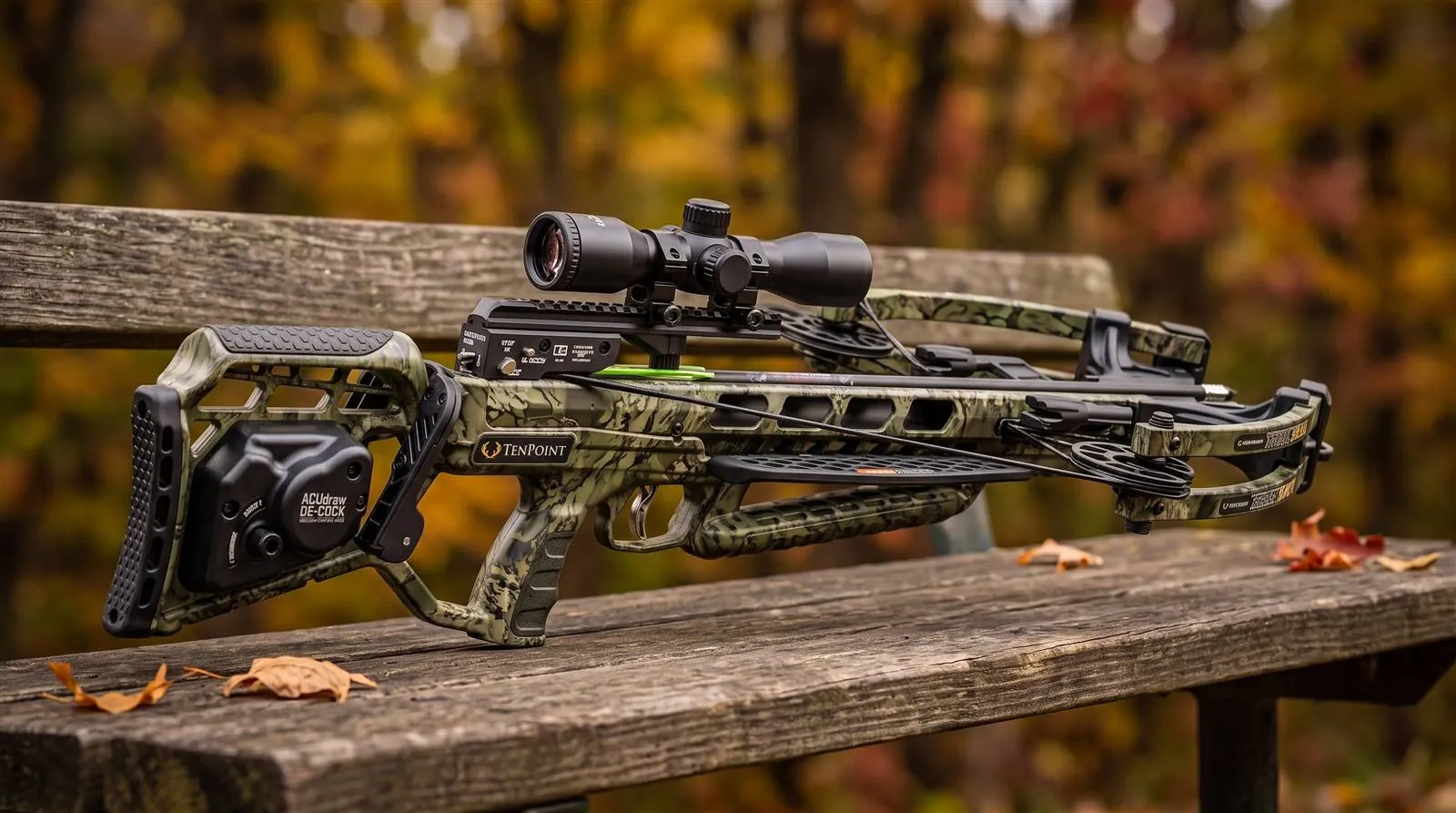
Tested for this topic
TenPoint Titan X De-CockA mid-priced compound crossbow with roughly 5 lbs of felt cocking effort and a safe de-cock.
What a Crossbow Does Not Change
The skills around the shot
Scouting, understanding an area, choosing where to sit, managing wind and scent, and moving quietly are all independent of the equipment. A crossbow does not make any of that easier, and a hunter who skips it will struggle with either tool.
Judgement and restraint
Knowing your effective range and passing on a shot you are not sure about is the same discipline for both. An accurate crossbow at the range can create overconfidence in the field. Our scoped, high-end reviews show tight groups at 60 and even 100 yards, but those are test results from specific models under controlled conditions and say nothing about your own conditions, nerves or skill. Hunt within the distance you have practiced.
Patience and effort
Long sits, cold mornings and early starts ask the same of you whatever you carry. The crossbow's advantage is mechanical, not mental.
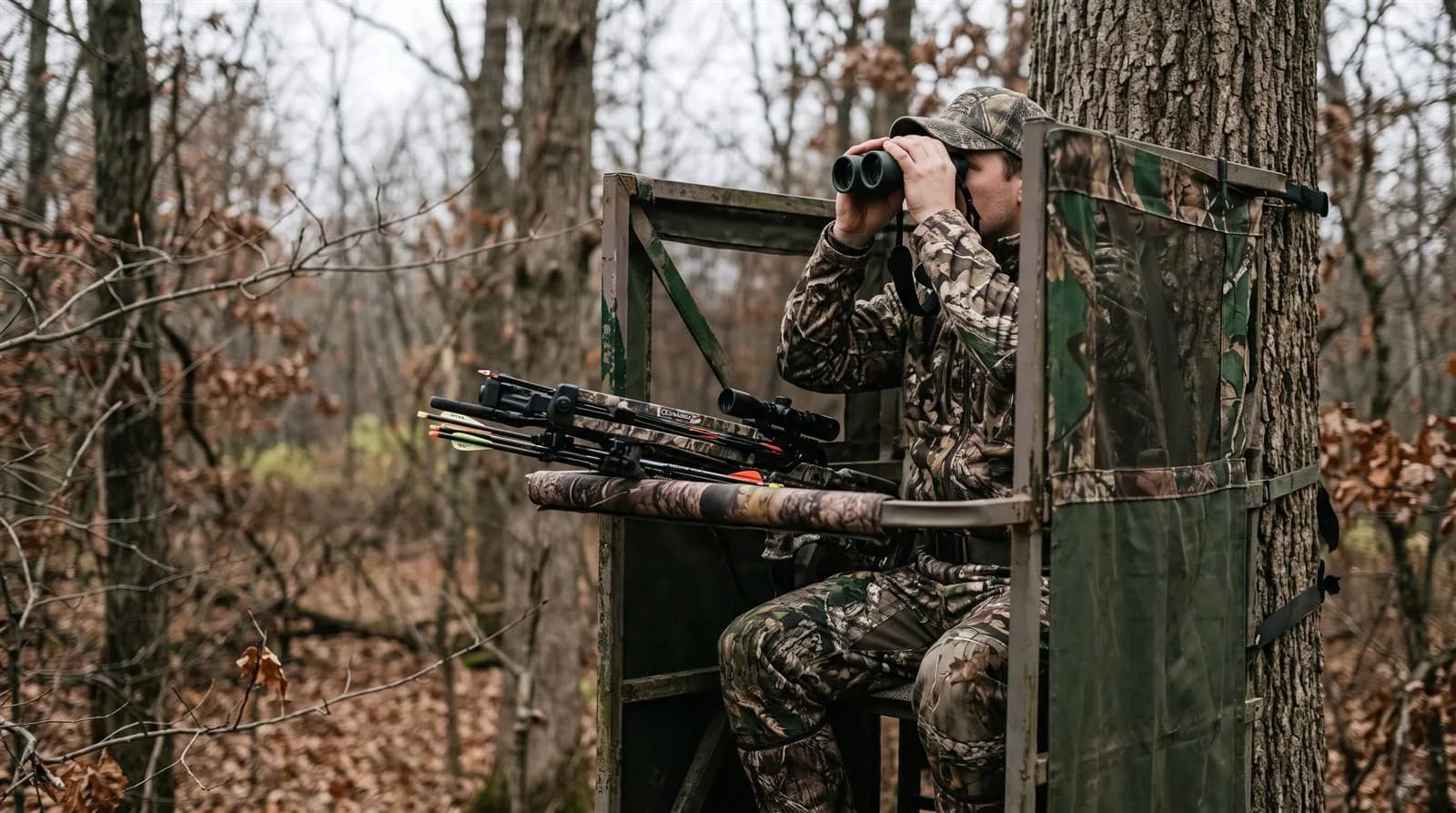
Where a Crossbow Is Harder or Less Convenient
Reloading. A crossbow must be fully re-cocked, which takes longer than drawing another arrow, even with a device. That favors planning for a single, well-considered opportunity.
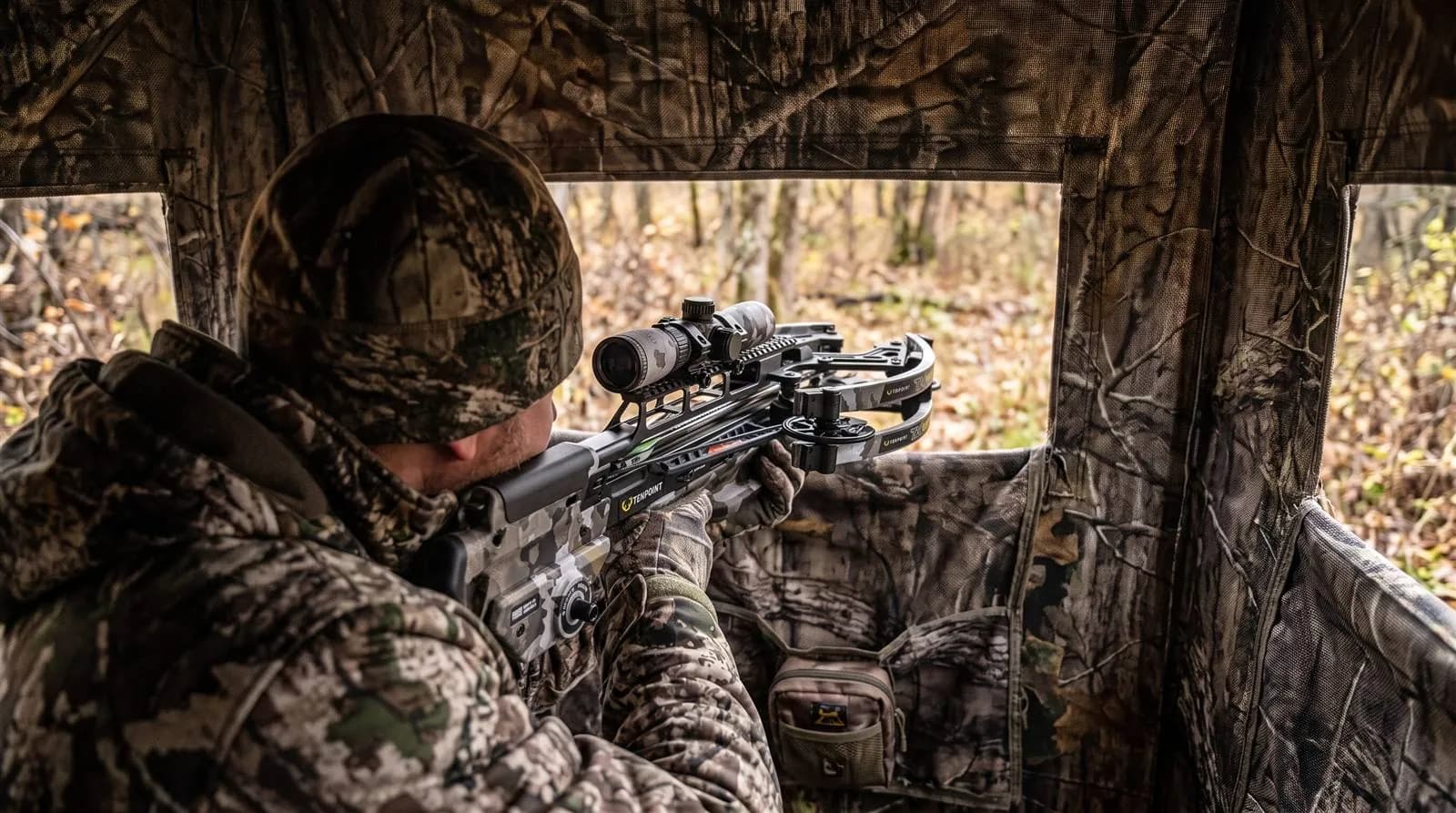
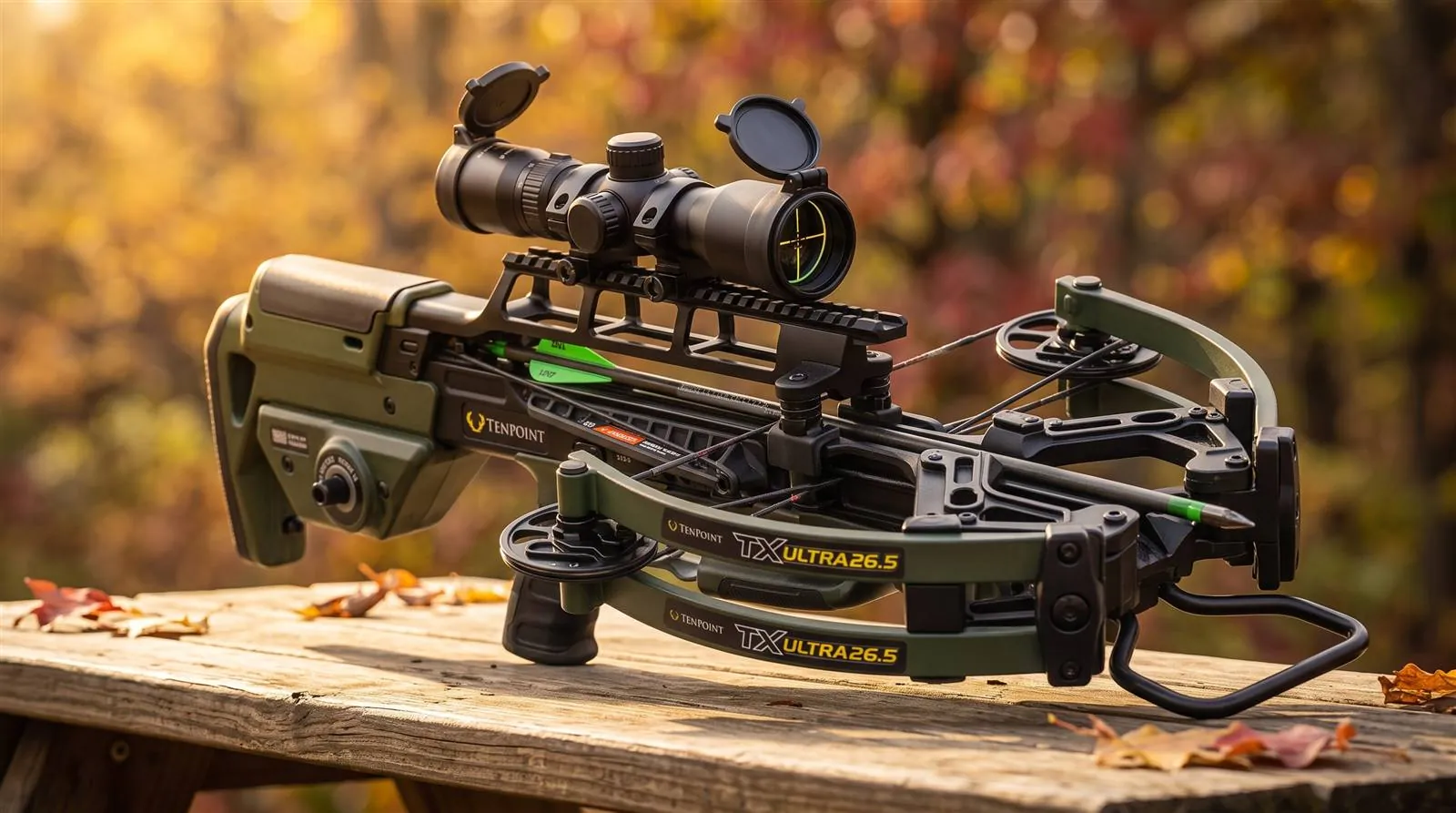
Size and weight. Our reviewed compound crossbows weigh roughly 7 to 8 lbs. Compact models help in confined spaces: the TenPoint TX Ultra 26.5 is 26.5 inches overall and 7 inches axle-to-axle when cocked, and our ground-blind and saddle trials showed it clears a narrow window easily.
Noise. It varies by model. The TX Ultra 26.5's built-in dampening produced a clear reduction against a non-dampened TenPoint model, while mid-tier models without dampening, like the Wicked Ridge Invader M1 De-Cock, were louder at the same distance.
Safety handling. A cocked crossbow is stored energy. Carry, cocking and de-cocking all need deliberate habits, covered in our safety rules and de-cocking guide. Never dry-fire a crossbow.
Is It Cheating?
Some traditional archers feel a crossbow undermines the challenge of bow hunting. Our view is practical: fair chase, legal and responsible conduct define a good hunt, not the tool. A crossbow does not find an area, judge a situation or decide whether to take an opportunity for you.
What deserves respect in hunting is the same for everyone: knowing your equipment, practicing until you can be consistent, staying within your limits and following the rules. Many hunters also point out that the choice often comes down to ability, age or access rather than preference. A fair way to ask the question is not whether the tool is easy, but whether you are prepared.
Check the Rules Before You Choose
This is the part that should come before any purchase. Whether crossbows are permitted for hunting, during which seasons, for which hunters, with what minimum specifications and with what licensing varies by jurisdiction, and it can change from year to year. Some places treat crossbows as ordinary archery equipment, others restrict them to certain seasons or hunters, and others do not permit them.
Use the responsible wildlife agency's current published regulations. Our crossbow hunting laws by state guide lists the entries we have verified, each with a last-checked date, but it is a starting point and not legal advice.
Equipment and Practice Demands, Compared
| Demand | Crossbow | Compound bow |
|---|---|---|
| Initial practice | Sighting-in, trigger control, steady support | Form, anchor, release, sight alignment |
| Ongoing practice | Range sessions at the distances you intend to use | Regular form practice to stay consistent |
| Strength | At the cocking step | At the draw, every shot |
| Maintenance | String and cable waxing, rail lube, limb checks | String, cam timing, sight and rest alignment |
| Cocking or draw aids | Often essential | Rarely needed |
A basic maintenance routine is covered in our maintenance guide.
Tested for this topic
TenPoint TX Ultra 26.5A compact compound crossbow tested in a ground blind and a saddle setup.
Myths vs Facts
| Common claim | What holds up |
|---|---|
| "A crossbow is basically a rifle." | It is aimed like one, but it is a stored-energy device with a short effective range, a re-cock step and its own handling rules. Treat it with the same care as a firearm. |
| "Anyone can pick one up and be ready for the season." | Sighting in, cocking and de-cocking routines, and realistic range practice are still required, along with any education your jurisdiction demands. |
| "A high-end crossbow makes up for lack of practice." | Our tight 60 and 100-yard groups came from scoped, high-end models under controlled conditions. They do not transfer to your nerves, light or angle. |
| "Crossbows need no strength at all." | The effort moves to cocking. In our reviews it ranged from roughly 5 lbs to roughly 95 lbs of felt effort depending on the aid. |
| "A bow is always the more ethical choice." | Ethics come from preparation, restraint and legality, not from the tool. |
Skills That Decide Results With Either Tool
If the equipment is the easy part, these are the parts that remain. Rate yourself honestly on each before relying on any gear.
| Skill | Why it matters regardless of equipment |
|---|---|
| Range judgement | Misjudged distance changes where a bolt or arrow lands. A faster bolt forgives some error but not all. |
| Knowing your maximum distance | Set it by your own groups under stress, not by a spec sheet. |
| Shot-angle awareness | Practice from elevated and seated positions if you will hunt from them. |
| Calm under pressure | Practice the full sequence, including cocking, when you are slightly out of breath. |
| Equipment familiarity | Know your trigger, safety, cocking aid and de-cock method without looking. |
Which Should You Choose? A Decision Rule List
Apply in order and stop at the first rule that fits.
- Check the law first. If only one tool is permitted for your purpose, the choice is made.
- Limited strength or mobility? Look at a crossbow with an integrated cocking aid, and ask a professional if you have a shoulder or back issue.
- Little practice time before the season? A crossbow reduces the form variables, but still budget range sessions at realistic distances.
- Value the draw, form and fast follow-up shots? Choose a compound bow.
- Shooting from a tight blind? Compare cocked widths, then decide.
- Still unsure? Try both at a pro shop or range if possible, since feel is personal.
Who Might Prefer a Crossbow
- New shooters who want a shorter route to consistent groups.
- Hunters with limited strength or mobility, where a cocking aid keeps the sport accessible.
- Hunters with little practice time before the season, who can focus on aim and trigger control.
- Hunters who shoot from blinds or stands and value a short cocked width.
Who Might Prefer a Compound Bow
- Archers who value the draw and the form as part of the experience.
- Hunters who want faster repeat shots with no re-cocking.
- Hunters who want a handheld, compact profile and are happy to build strength and form over time.
- Anyone whose local rules favor bows in the seasons they want to use.
If your budget is the deciding factor, our crossbow cost guide shows what each tier buys.
Four Scenarios
Rules of thumb are easier to apply with real situations in mind. These are composites, not case studies.
A first-year hunter with an evening a week to practice. Fewer form variables means each range session goes further. A packaged compound crossbow such as the Barnett Hyper Whitetail 410 includes a scope, quiver and rope-cocking sled, though our review found groups noticeably wider at 60 yards than premium models. Keep your practice distances well inside that.
A hunter in their sixties with a bad shoulder. The draw of a compound bow is the obstacle. An integrated cocking system takes the effort out, but check how the system lowers the string if you take no shot, and confirm that your jurisdiction permits crossbows for your situation.
A lifelong bow hunter wondering about switching. You already own the fieldcraft. The adjustment is handling: cocking, de-cocking, carrying a wider, heavier tool and treating a loaded crossbow with extra care. Expect to spend range time getting used to the scope and trigger.
A hunter who sits in a tight ground blind. Width matters more than speed. Compare cocked axle-to-axle widths and overall length, and browse the compound crossbows hub for compact options.
A Practical Preparation Plan
Whatever you choose, the preparation is the real work. Treat this as a checklist for the weeks before any season.
- Read the current rules for your area and write down the equipment requirements, including any minimum specifications.
- Learn your equipment's safe handling from the manual, including how to cock, de-cock and carry it.
- Sight in your scope at a range, and re-check after any impact or long storage.
- Practice at realistic distances on target media until your groups are consistent, and set a personal maximum distance that is shorter than your best day.
- Practice the full sequence, including cocking and loading, from the position you will actually use.
- Decide in advance what you will do with an opportunity that is not clearly appropriate. The answer is to pass.
- Maintain the equipment by waxing, inspecting limbs and replacing worn parts.
Two tools make the comparison concrete: the kinetic energy calculator shows what a crossbow and a vertical bow each deliver with their own projectile weight, and the cocking effort estimator shows the one physical demand a crossbow adds. The best crossbows for deer hunting roundup covers the models I would start with.
Frequently Asked Questions
Is it easier to hit a target with a crossbow than a compound bow?
Mechanically, usually yes. The crossbow holds its own draw and releases with a trigger, so there is less form to repeat. You still need a sighted-in scope, steady support and good trigger control.
Does hunting with a crossbow take less skill overall?
Only in the mechanics of the shot. Knowing the area, managing wind and scent, judging when not to shoot and following the rules take the same skill and restraint whatever you carry.
Is crossbow hunting considered cheating?
Some traditional archers think so, but our view is that fair chase, legality and responsible practice define a good hunt. Rules also differ by place, so confirm what is permitted before you hunt.
Why would someone choose a compound bow if a crossbow is easier to shoot?
Some archers value the draw and the form, want faster repeat shots without re-cocking, or prefer a handheld profile. Local rules may also favor bows in certain seasons.
Is a crossbow a good choice for a first-time hunter?
It can be, where it is permitted, because it shortens the path to consistent shots. A beginner still has to learn safe handling, practice at realistic distances, complete any required education and follow current local rules.
Do I need a licence or course to hunt with a crossbow?
That depends entirely on your jurisdiction, which may require licences, hunter education or specific equipment. Check with the responsible wildlife agency before you buy or hunt, and do not rely on past seasons.
Does a crossbow need less practice than a bow before hunting season?
It needs less form practice, but not less practice. You still have to sight in the scope, rehearse cocking and de-cocking, and shoot from the positions you will use, at distances where your groups are consistent.
Is a crossbow a good option for someone with a shoulder or back problem?
It can reduce the sustained strength needed, because an integrated aid can cut felt cocking effort a great deal. Ask a medical professional about your specific issue, and check that local rules permit crossbows for your situation.
Final Recommendation
A crossbow is easier to learn and lighter on strength than a compound bow, and it asks nothing less of you in judgement, preparation or responsibility. Choose one if the mechanics of drawing are what stand between you and consistent shooting, where hunting with it is permitted. Choose a compound bow if you value the draw or need quick repeat shots.
For your next click, read the full crossbow vs compound bow comparison, then work through the crossbow safety rules for beginners before your first shot.
Gear mentioned in this guide
Reviews we link to above, highest rated first. Read the full review before you buy.
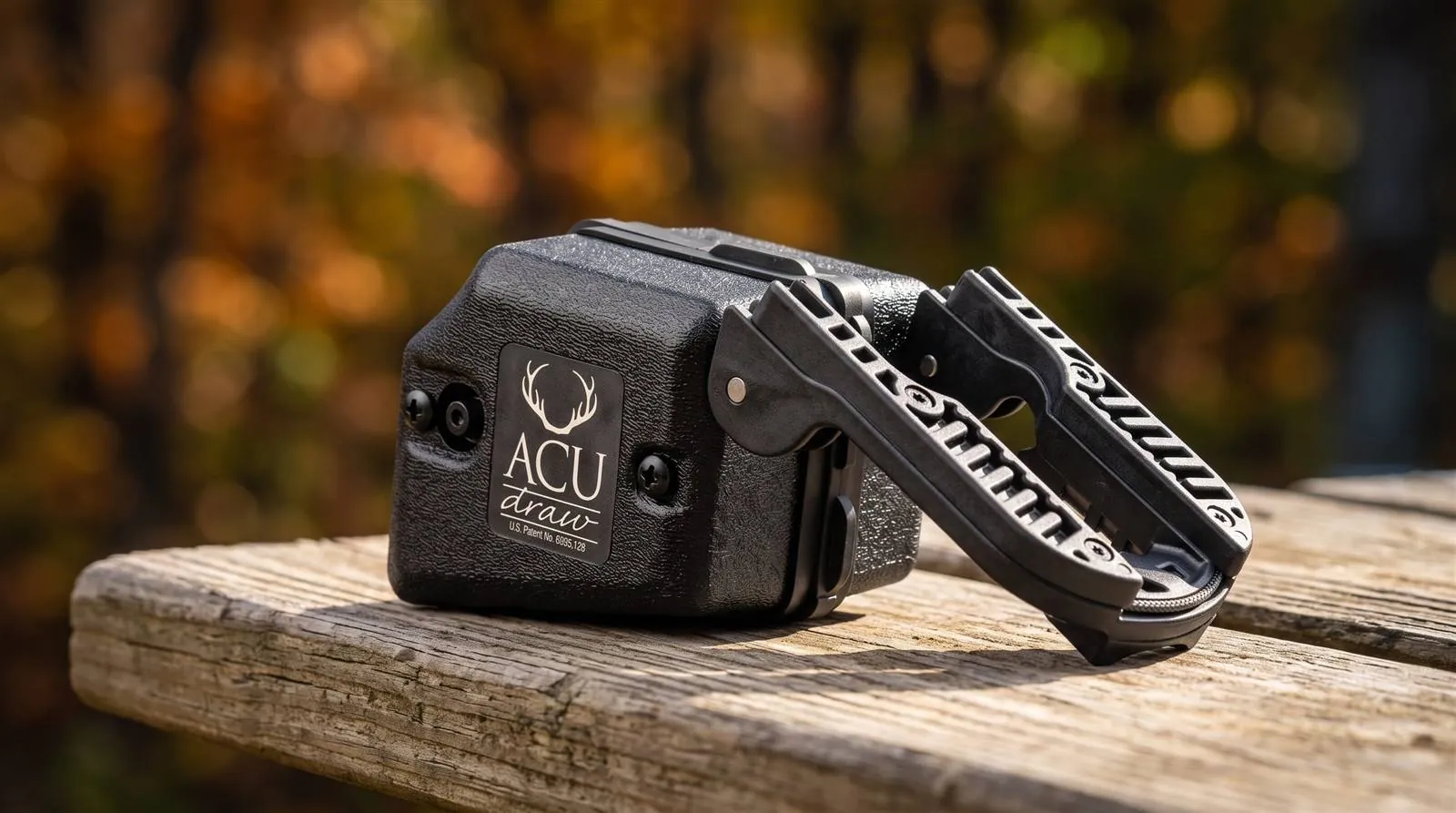
TenPoint ACUdraw Review
TenPoint's integrated cocking system that sharply cuts draw effort and centers the string every time. Fits select TenPoint, Wicked Ridge and Horton models.
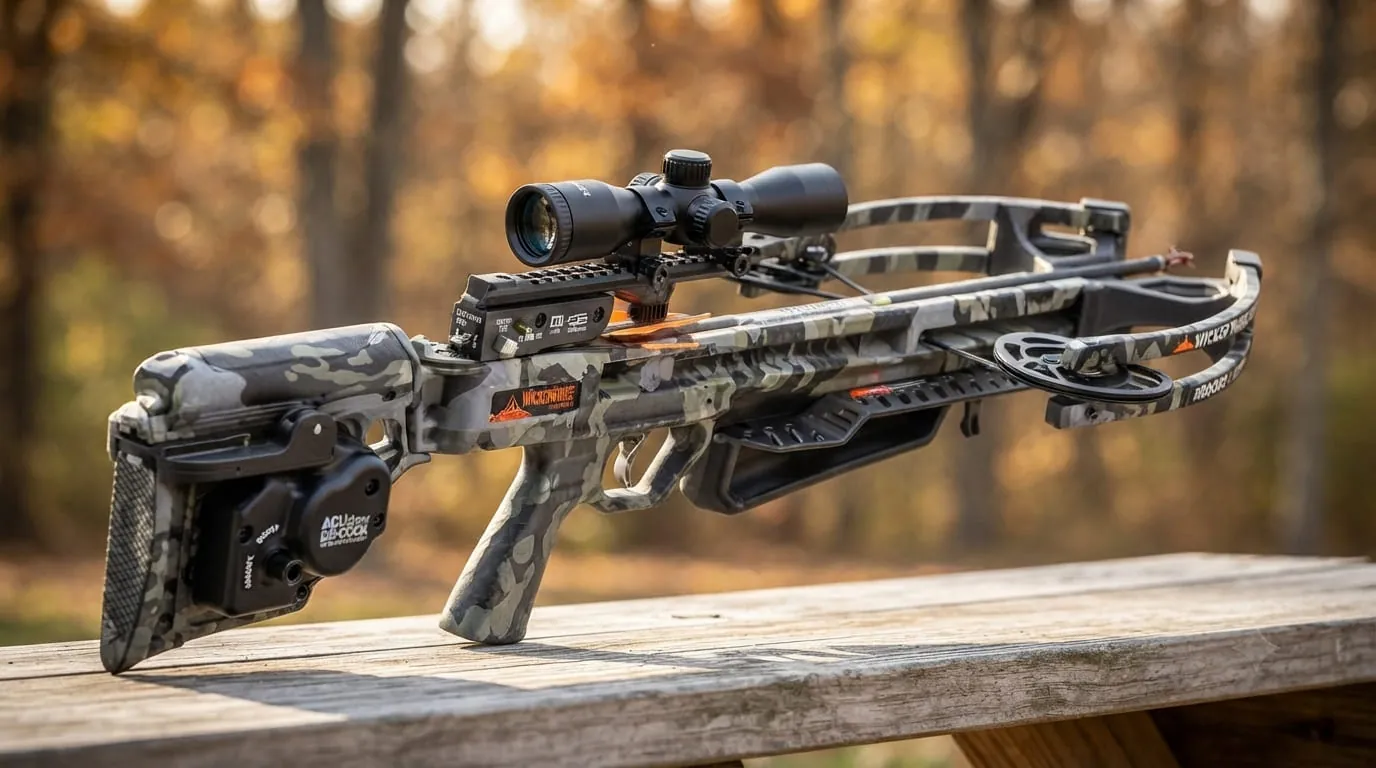
Wicked Ridge Invader M1 Review
Compound crossbow measured at 384–393 FPS, with integrated crank cocking and ACUdraw De-Cock safe unloading at a lower price than TenPoint's own models.
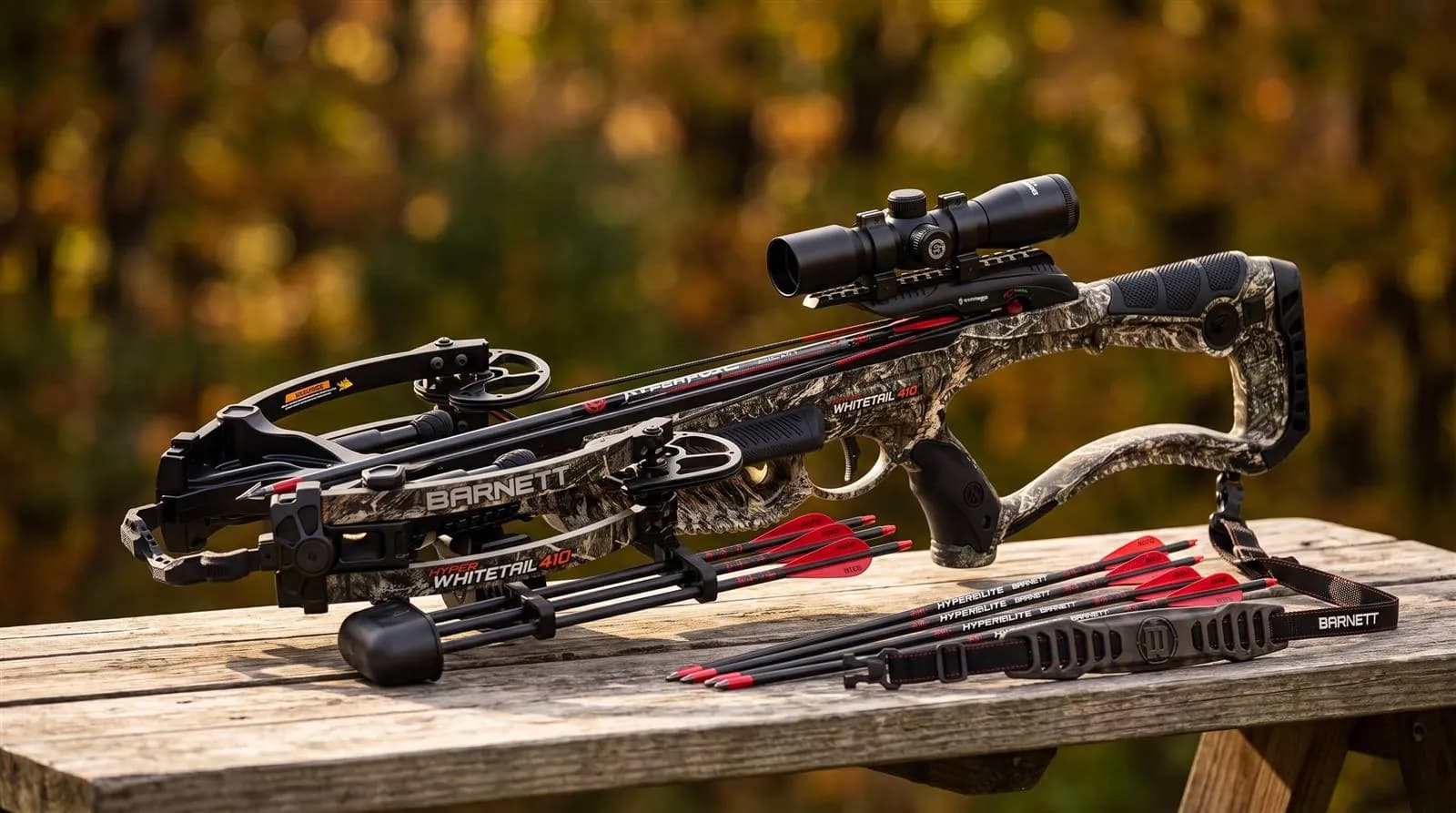
Barnett Hyper Whitetail 410 Review
Hunting-ready compound crossbow package that matched its 410 FPS rating. Scope, bolts and cocking aid included; groups hold up best inside 40 yards.
Ready to compare models? Browse our pistol crossbows reviews, or see all reviews to see how each one measured up in testing.
More in Buying & Comparison Guides
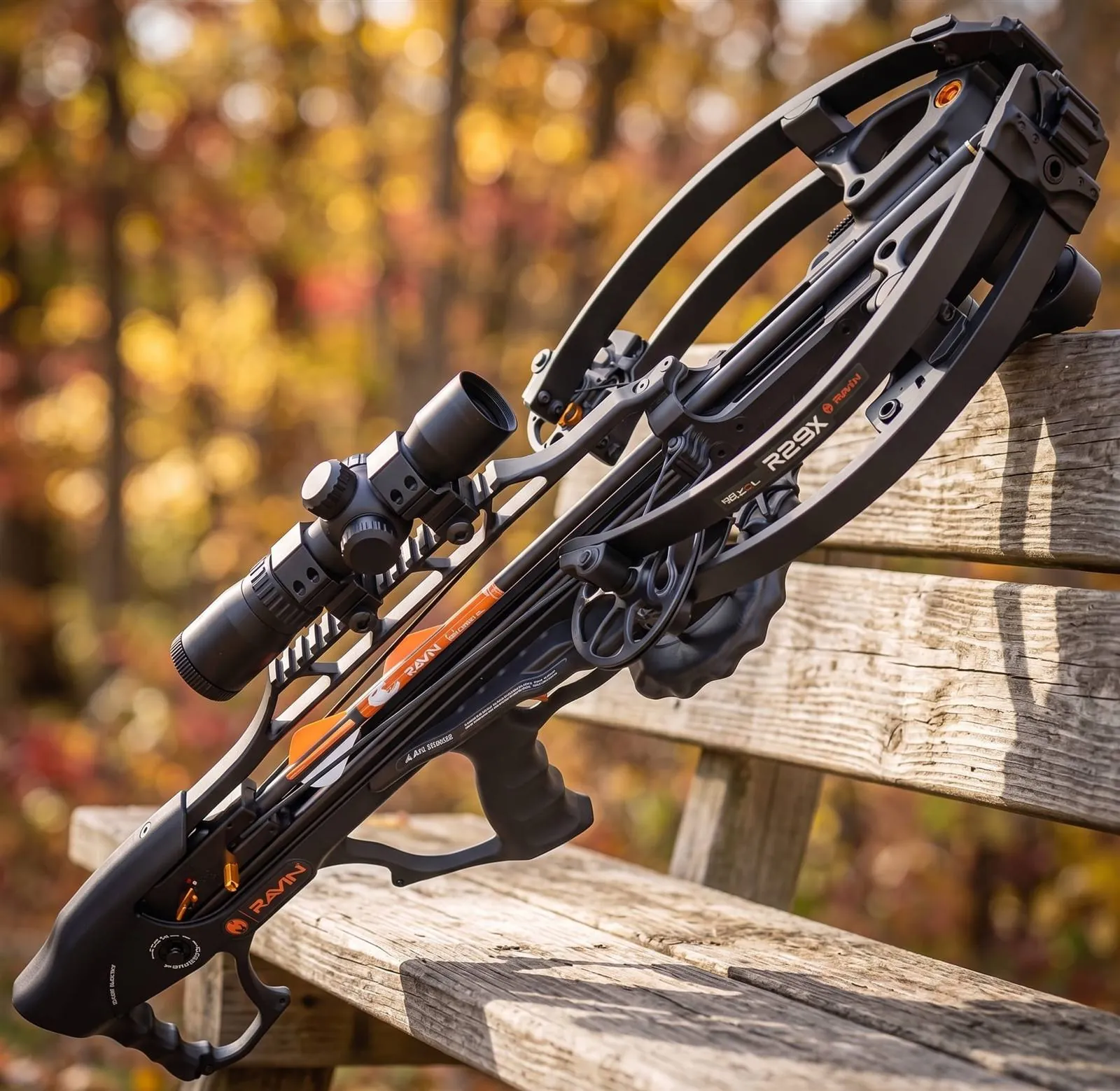
Ravin R29X vs R26X
R26X for stands, blinds and shots inside 40 yards at $500 less; R29X for larger game and longer range, with 50 FPS and 38 ft-lbs more. Measured verdict for each hunter.
Read guide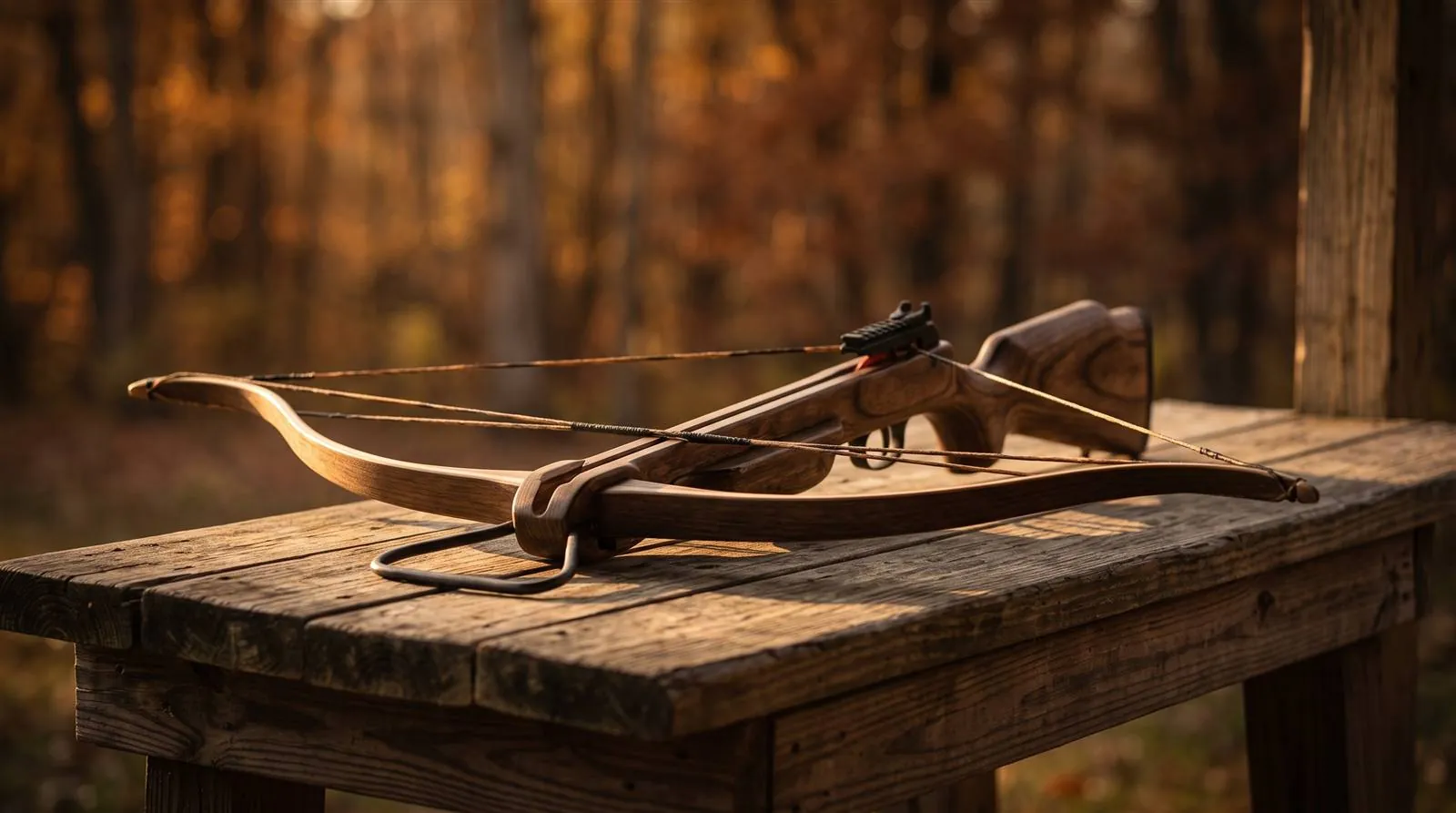
Recurve Crossbow Buying Guide
How to choose a recurve crossbow for hunting: who it suits, which specs to compare, maintenance, common mistakes and a decision checklist.
Read guide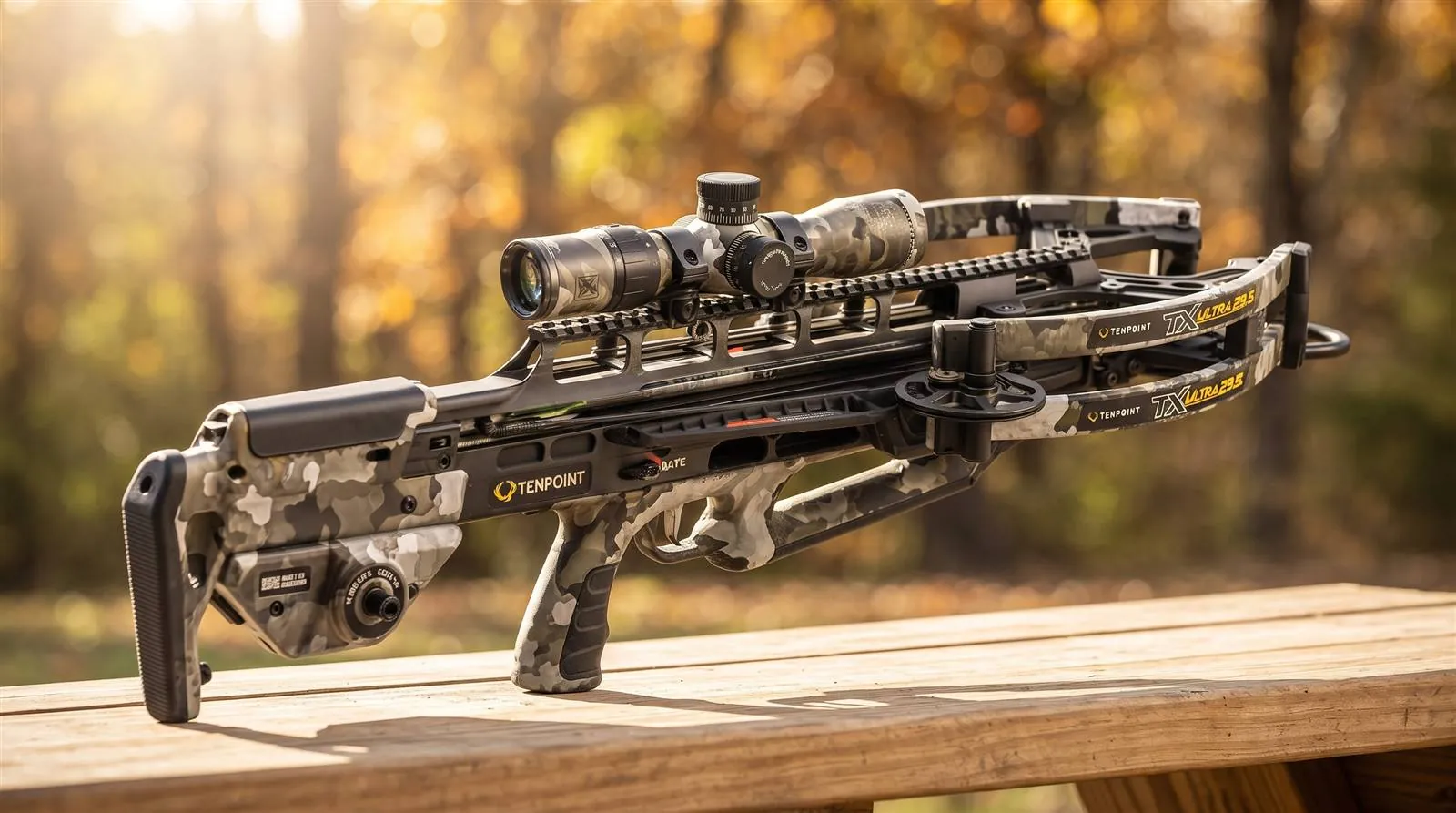
TenPoint TX Ultra 26.5 vs 29.5
TX Ultra 26.5 for saddles, blinds and short shots: shorter, lighter, quieter and $400–500 cheaper. TX Ultra 29.5 for 50 FPS more, 193 ft-lbs and reach past 60 yards.
Read guide