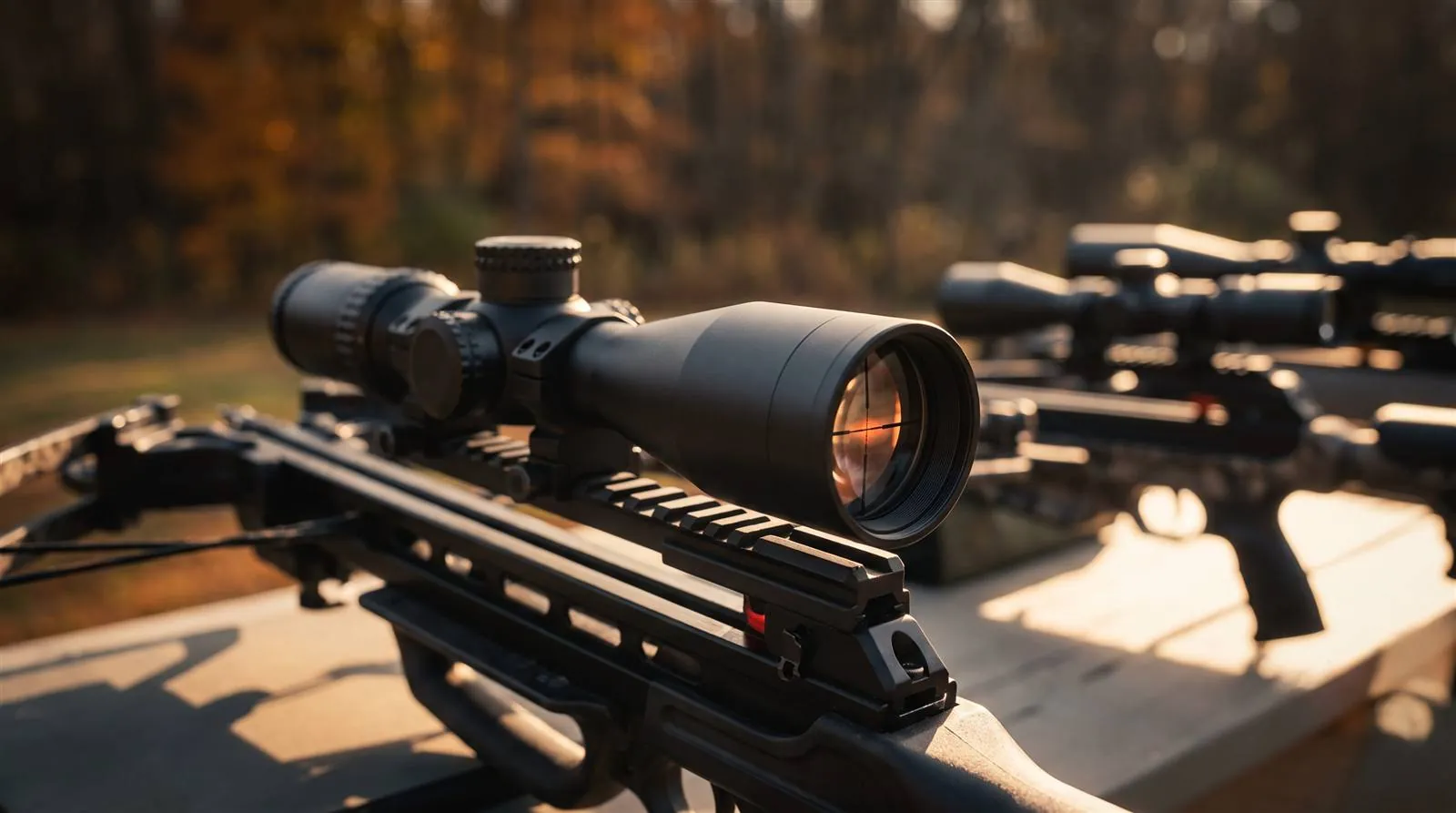
What a release aid is in plain terms
What a release aid is meaning: A release aid is a handheld trigger device that holds a bowstring at full draw and lets it go cleanly; a crossbow trigger does that job built in.
Also called: mechanical release, mechanical releases, bow release, handheld release, wrist-strap release
A release aid, also called a mechanical release, is a small device an archer uses instead of fingers to draw and let go of a bowstring. Hunter-education courses describe it simply: a mechanical release snaps onto the string and is pulled back with the shooting hand, and the archer pulls a trigger to release the string. Most clip to a D-loop tied on the string; bowhunter-education material notes that this lets the string be pulled back and released in a straight line from the nock position.
Common styles strap to the wrist with an index-finger trigger, or are held in the hand and fired with the thumb or by back tension. All of them aim to give a cleaner, more repeatable release than fingers.
A crossbow has no use for one. The string is held by the string latch and let go by the trigger system, so the release is mechanical on every shot. That built-in trigger is one reason crossbow shooters skip the draw, anchor and release routine archers must practise.
Why it matters
It is a big part of the comparison between bows and crossbows. A bow shooter buys and learns a release aid; a crossbow shooter gets the equivalent in the trigger pull of the crossbow.
Budgeting differs too: a compound bow setup usually needs a sight, rest and release aid added, while a crossbow package often includes its scope and cocking aid.
How to read it on a spec sheet
- On a bow package, check whether a release is included or sold separately.
- On a crossbow, read trigger pull weight and creep claims instead; that is the crossbow's release.
- In comparison articles, read "release" lines as bow-only unless the crossbow trigger is named.
- Do not confuse a "cocking release lever" on a pistol crossbow with an archery release aid.
Common mistakes
- Expecting to use a bow release with a crossbow.
- Thinking a crossbow trigger needs no technique; a smooth press still matters.
- Comparing bow and crossbow costs without counting the release, sight and rest on the bow.
- Punching a crossbow trigger the way some archers punch a release.
Frequently Asked Questions
What is a release aid in archery?
It is a device that clips onto the bowstring, usually at a D-loop, and lets the archer release the string by pressing a trigger instead of opening the fingers. It gives a cleaner, more repeatable release.
Do you need a release aid for a crossbow?
No. A crossbow's string latch and trigger system hold and release the string for you. A smooth, steady trigger press is the crossbow equivalent of good release technique.
Is a mechanical release the same as a release aid?
Yes, the terms are used for the same thing: a handheld or wrist-strap device that holds the string at full draw and lets it go when the archer triggers it.
Why do bowhunters use a release instead of fingers?
A trigger-style release lets the string go the same way every shot and in a straight line from the nock, which reduces the string deflection fingers can cause.
Related guides
Guides where release aid shapes a real choice.
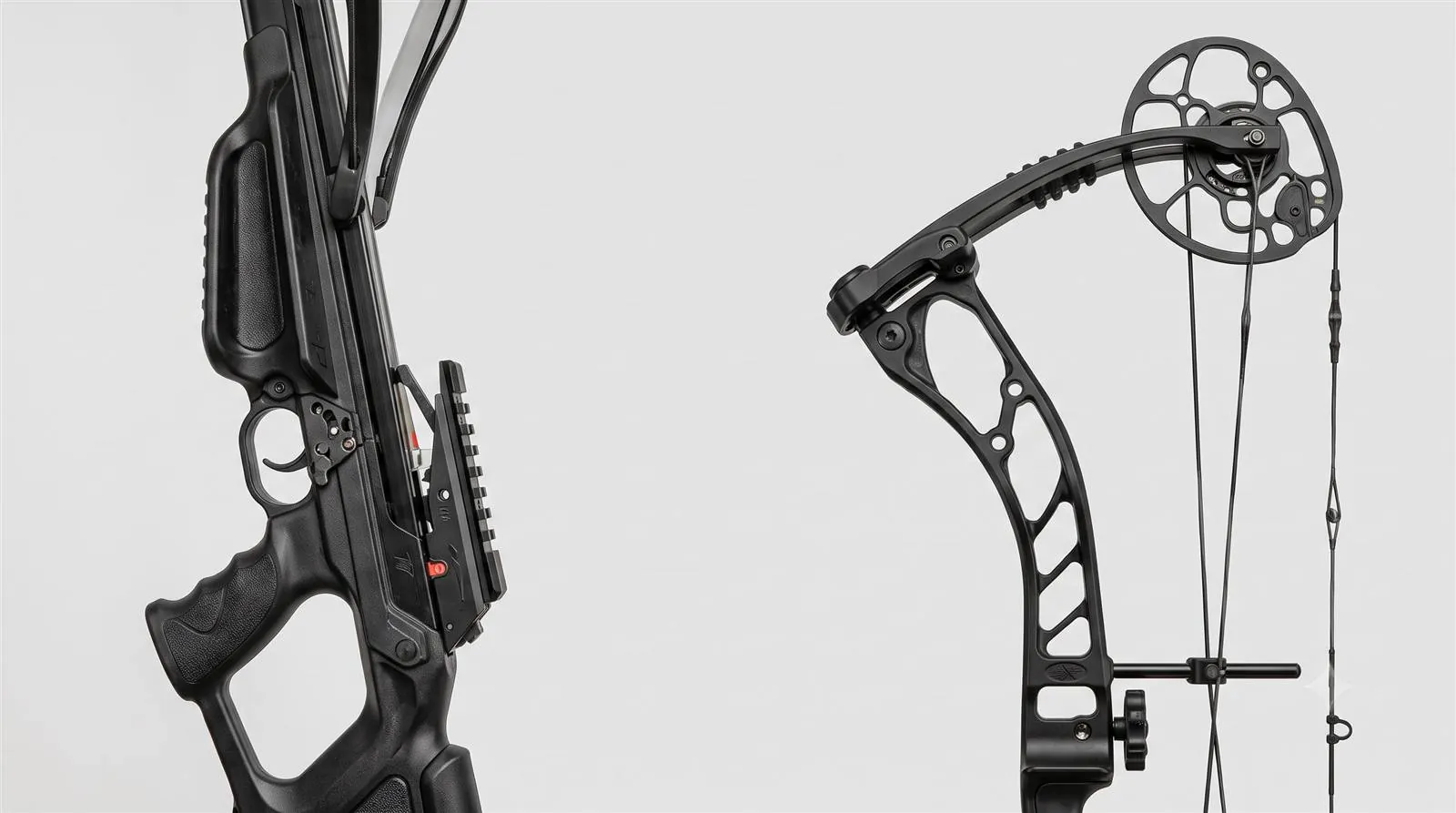 GuideCrossbow vs Compound Bow Compared (2026)Pick a crossbow for consistent shots soon with less strength needed, or a compound bow for fast follow-ups and a skill to refine. Check your season rules first.Read the guide
 GuideIs Crossbow Hunting Easier Than Bow Hunting?Where a crossbow makes hunting easier, where it does not, and the skill, ethics, preparation and rules that apply whichever tool you carry.Read the guide
Definitions are general information. Manufacturer figures vary, so follow your crossbow's manual and verify local laws with the relevant authority.