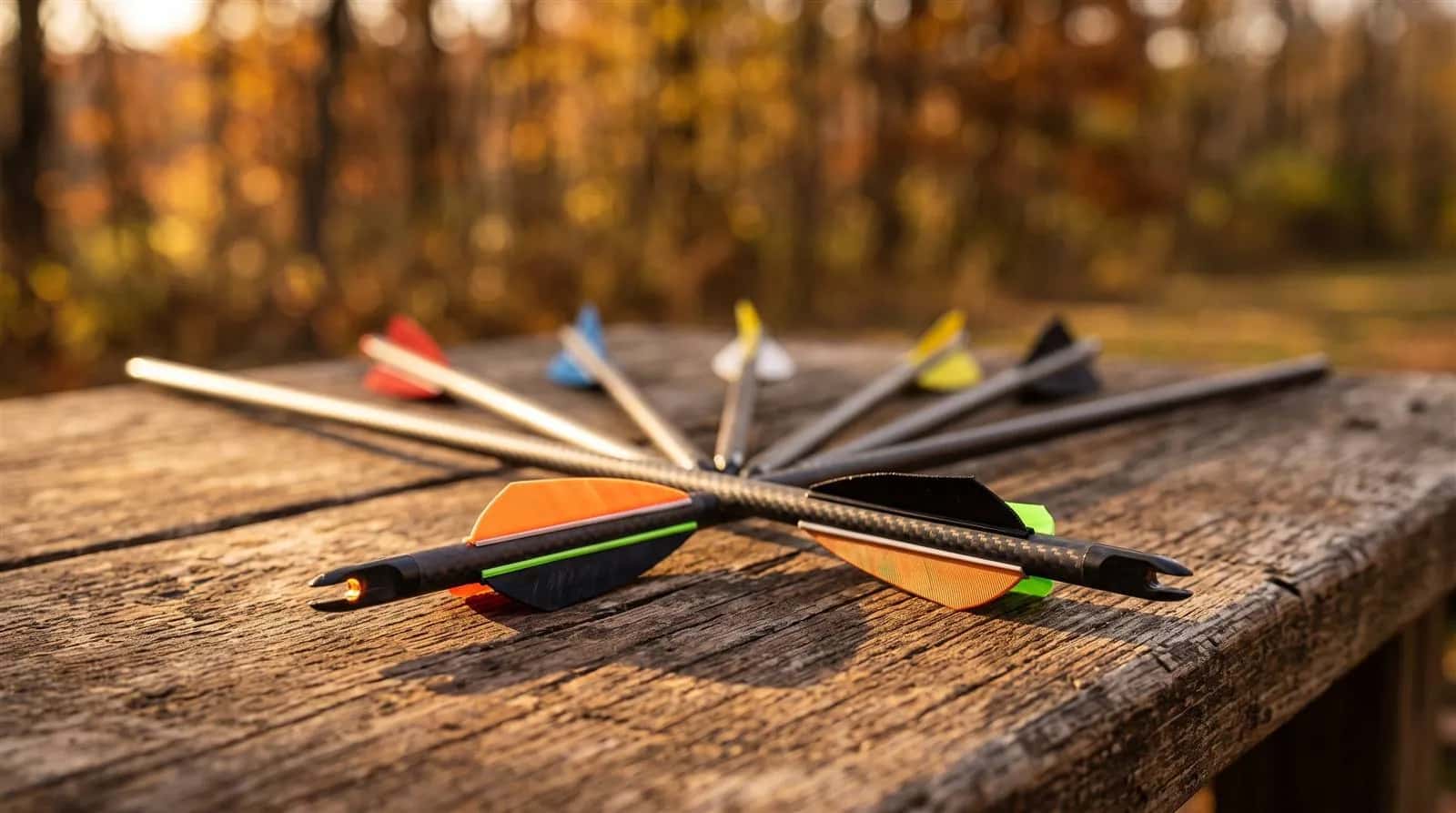
What small-diameter bolts are in plain terms
What small-diameter bolts are meaning: Small-diameter bolts use a narrower carbon shaft than standard bolts, for less drag in flight, and need inserts and broadheads made to fit them.
Also called: small-diameter bolt, small-diameter arrows, small-diameter arrow, small diameter bolts, small diameter arrows, micro-diameter bolts
A small-diameter bolt is a crossbow bolt (or arrow) built on a carbon shaft that is narrower than the standard size. Barnett's Headhunter, for example, is a standard-diameter arrow with a 0.347-inch outer diameter, while Barnett's Hyper crossbows are listed for its HyperFlite .204 small-diameter arrows.
A thinner shaft has less surface area, so it meets less air resistance in flight and less friction as it passes into a target. Makers use that to keep more speed downrange and to reduce how much a crosswind pushes the bolt.
The narrow shaft changes what fits it. The front end usually takes a matching insert or outsert, and some broadheads are made in a version sized for the smaller shaft. The nock and the crossbow's rail and latch must also suit the bolt, which is why the manual is the deciding document.
Why it matters
Some crossbows are designed around a small-diameter bolt and list it as the bolt to use. Shooting a standard bolt in one, or a small-diameter bolt in a crossbow not built for it, can mean poor arrow flight or a safety problem.
It also changes your shopping list. Broadheads, field points and replacement inserts have to match the shaft, so check that a head is listed for your shaft size before buying it.
How to read it on a spec sheet
- Look for the shaft size in the bolt name or spec, often written as a decimal such as .204, or as an outer diameter in inches.
- Check the crossbow manual for the bolt it specifies, including diameter, length and minimum weight.
- Read the insert or outsert type, and whether standard-thread broadheads screw in directly.
- Check the nock type matches your crossbow's latch and string.
- Compare total built weight, not shaft size alone; a narrow bolt is not automatically lighter.
Common mistakes
- Assuming every bolt of the right length fits any crossbow; diameter matters too.
- Buying broadheads or inserts for a standard shaft and expecting them to fit a small-diameter bolt.
- Treating "small diameter" as a guarantee of more speed; weight and the crossbow decide most of that.
- Mixing small-diameter and standard bolts in one quiver and expecting the same point of impact.
See it in our reviews
- Barnett Headhunter Bolts — rated 3.7/5
- Barnett Hyper Whitetail 410 — rated 4.3/5
Frequently Asked Questions
What is a small-diameter crossbow bolt?
It is a bolt built on a narrower carbon shaft than the standard size. The thinner shaft meets less air resistance and friction, and it needs inserts, nocks and broadheads made to fit it.
Can I shoot small-diameter bolts from any crossbow?
Only if the manual lists them. Some crossbows are built around small-diameter bolts and others around standard shafts, so shoot the diameter, length and weight your crossbow's maker specifies.
Do small-diameter bolts need special broadheads?
Often they need a matching insert or outsert, and some broadheads come in a version for the narrower shaft. Check that the head and the insert are listed for your shaft size before you buy.
Are small-diameter bolts more accurate?
A thinner shaft is pushed less by wind, which can help at longer distances, but accuracy still depends on consistent weight, straightness, nock fit and a correct zero for the bolt you shoot.
Related guides
Guides where small-diameter bolts shapes a real choice.
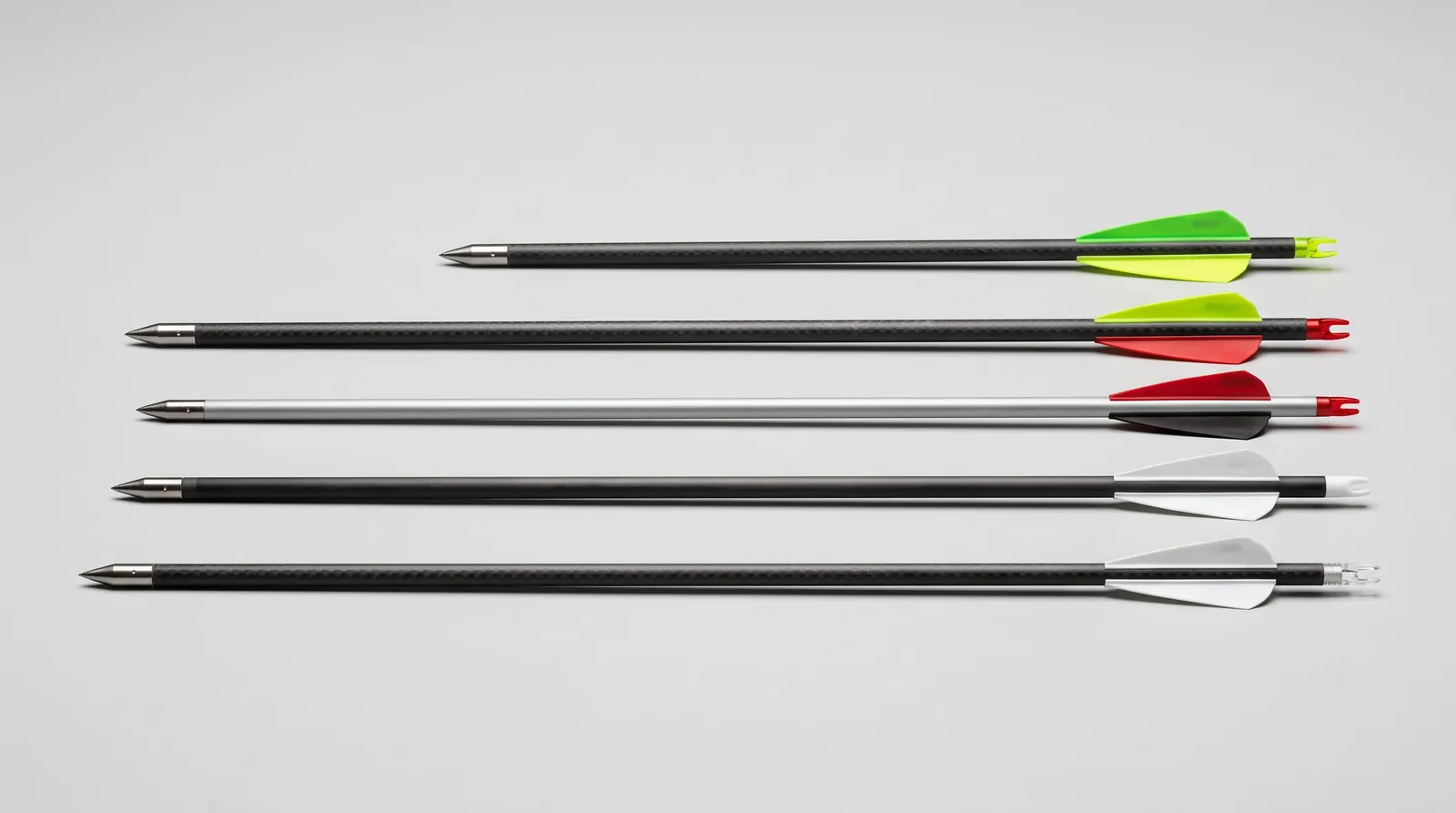 GuideHow to Choose Crossbow Bolts in 2026: Sizing GuideA six-step method for choosing crossbow bolts by length, grain weight, nock and spine, with a size chart and a worked example.Read the guide
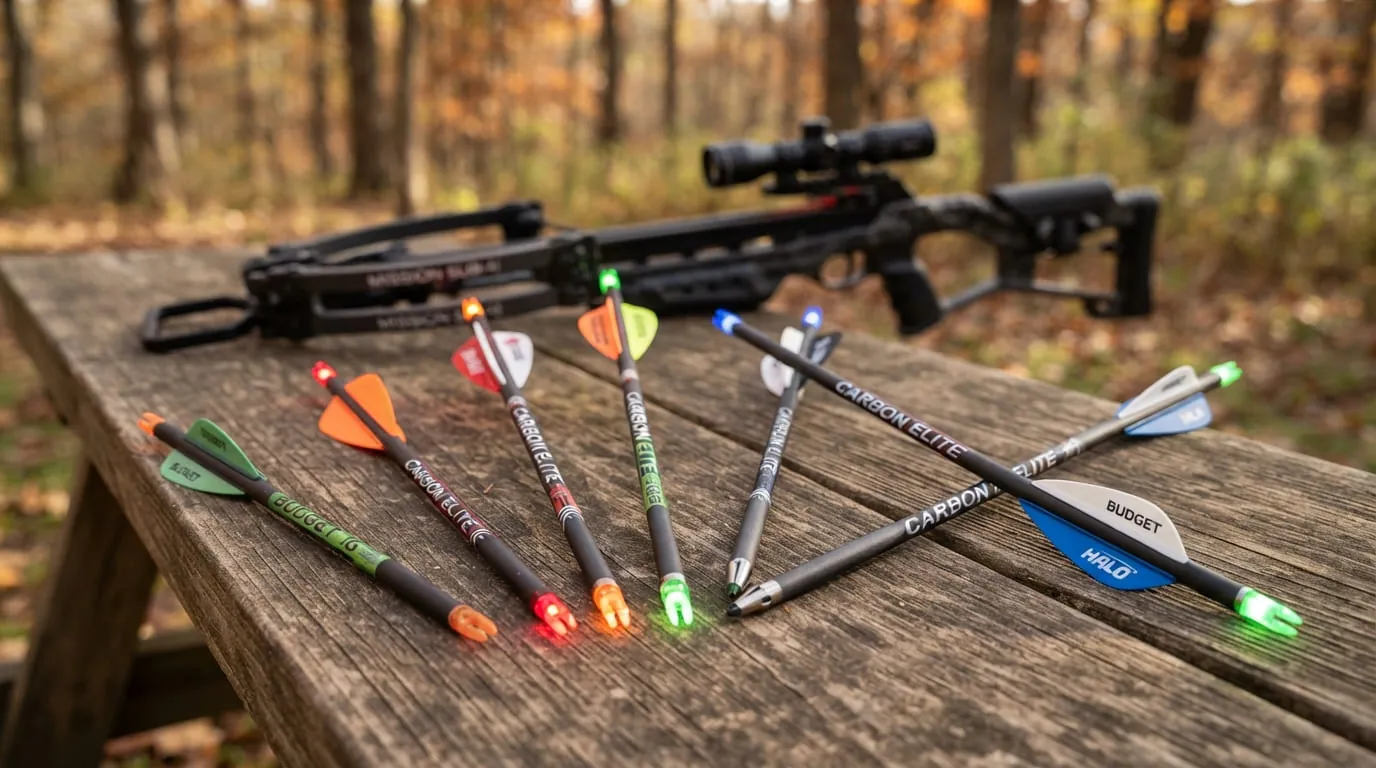 GuideBest Crossbow Bolts in 2026 for Hunting and PracticeCrossbow bolts for hunting and practice compared by grain weight, length, nock and straightness, from 12-pack practice bolts to weight-matched carbon.Read the guide
Definitions are general information. Manufacturer figures vary, so follow your crossbow's manual and verify local laws with the relevant authority.