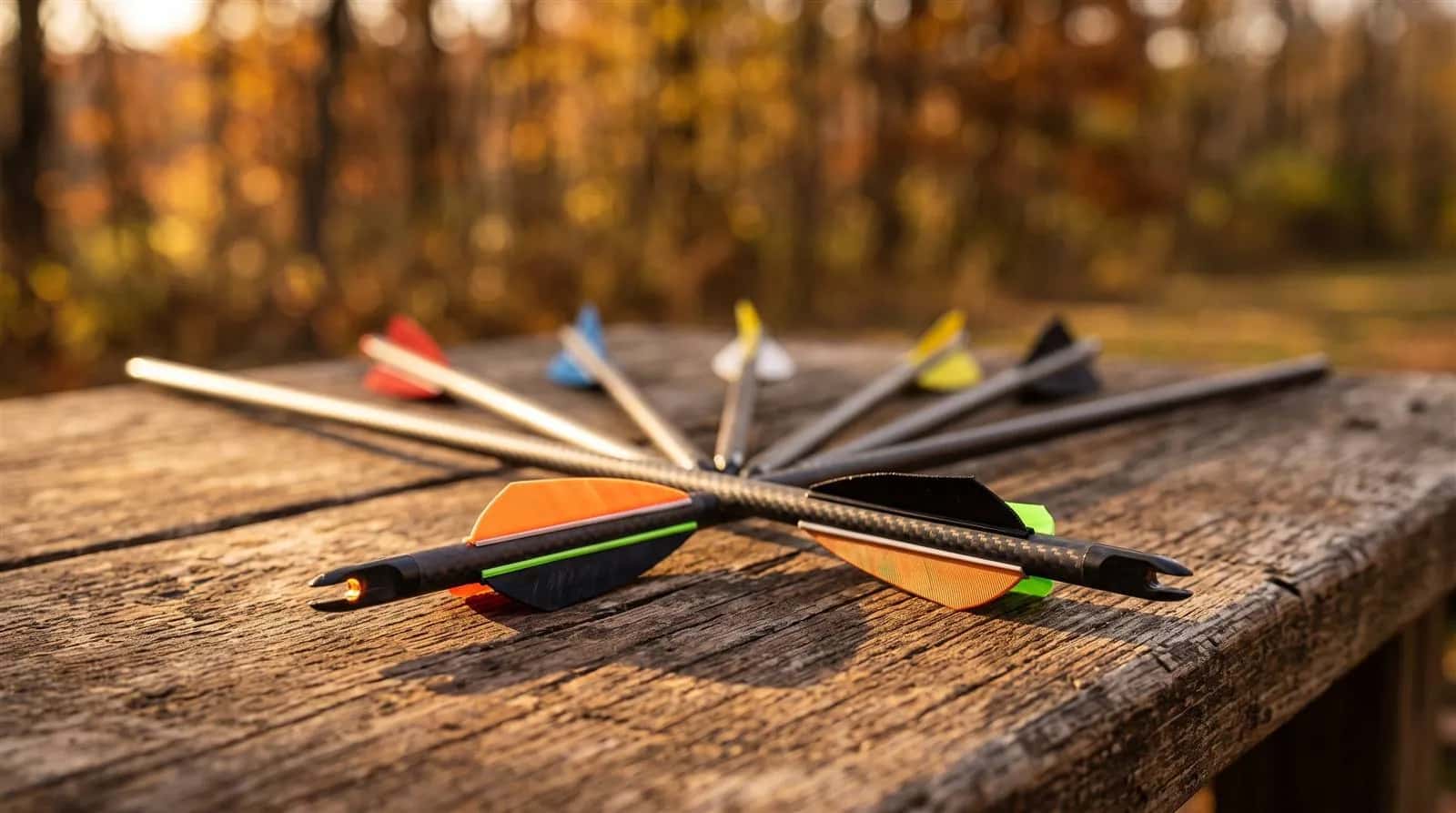
Crossbow Spine in plain terms
Crossbow Spine meaning: Spine is how stiff an arrow or crossbow bolt shaft is, read as how far it bends under a set weight. Bolts in one pack should share the same spine.
Also called: arrow spine, bolt spine, spine alignment, spine-aligned, spine sorting
Spine is the stiffness of a shaft: how much it resists bending. Archery measures it as static spine, the distance a shaft bends in the middle when a standard weight hangs from it while it rests on two supports. A smaller deflection number means a stiffer shaft.
When the string drives a bolt forward, the shaft flexes for an instant. Shafts with the same spine flex the same way and leave the rail alike; shafts that differ flex differently and tend to land in different places.
For vertical-bow arrows, spine is chosen from a chart to suit the bow. Crossbow bolts are short, stiff and built for the crossbow's rated length and weight, so makers handle spine for you in two ways. Spine sorting groups shafts so each pack matches: Carbon Express rates the PileDriver's Laser Match Set at +/- .0025 inches of spine. Spine alignment turns each shaft so its stiffest side faces the same way: TenPoint spine-aligns the CenterPunch HPX to the odd-color vane.
Spine figures on reviewed bolts
Facts below come from the manufacturers' product pages or listings.
| Bolt | Spine treatment | Straightness |
|---|---|---|
| TenPoint CenterPunch HPX | Spine-aligned to the odd-color vane | .001 in |
| Carbon Express PileDriver | Sorted to +/- .0025 in of spine | +/- .004 in |
| REEGOX Crossbow Bolts | No spine figure listed | Not listed |
Why it matters
Spine is one of three consistency figures, with bolt straightness and weight tolerance in grain. A pack that matches on all three should group tighter, especially at 40 yards and beyond.
Mixing shafts is the usual way spine goes wrong. Bolts from different brands or models can share a length and weight and still differ in stiffness, so one may fly away from the rest.
Spine also changes with the point. A heavier head makes a shaft act weaker in flight, which is one reason to stay within the tip weight your crossbow and bolt maker list, and to check FOC after a change.
How to read it on a spec sheet
- A spine number such as .400 is a deflection in inches: smaller is stiffer.
- A spine tolerance such as +/- .0025 inches tells you how closely the shafts in a pack match each other.
- "Spine-aligned" means the maker indexed every shaft the same way; it is not a stiffness number.
- Missing spine information is common on budget packs; treat it as unknown rather than matched.
- Your crossbow manual sets length, weight and nock; follow those before comparing spine.
Common mistakes
- Mixing bolts from different brands or packs and expecting them to group together.
- Choosing crossbow bolts from a vertical-bow spine chart instead of the crossbow maker's bolt specification.
- Re-fletching a spine-aligned bolt without keeping the index vane in the same position.
- Changing to much heavier heads without re-checking where the bolts land.
See it in our reviews
- TenPoint CenterPunch HPX — rated 4.4/5
- Carbon Express PileDriver — rated 4.2/5
- Reegox Crossbow Bolts — rated 3.9/5
Frequently Asked Questions
What is spine on a crossbow bolt?
It is the stiffness of the shaft, or how much it bends under a set load. Bolts with matching spine flex the same way when the string pushes them, so they tend to land closer together.
Does spine matter for crossbow bolts?
It matters less than for vertical-bow arrows, because crossbow bolts are short and stiff and makers match them for you. It matters most when you mix shafts from different packs or brands, which is why it is better to keep one model in the quiver.
What does spine-aligned mean?
It means the maker turned every shaft so its stiffest plane faces the same way, usually marked by an odd-color vane. TenPoint spine-aligns the CenterPunch HPX to that vane, so each bolt sits on the rail the same way.
What is spine sorting tolerance?
It is how closely the shafts in one pack match in stiffness. Carbon Express rates the PileDriver's Laser Match Set at +/- .0025 inches of spine, alongside +/- 2.0 grains of weight.
Is a lower spine number stiffer?
Yes. Spine is read as deflection, how far the shaft bends under a standard weight, so a shaft that bends .300 inches is stiffer than one that bends .400 inches.
Do I need to pick a spine for my crossbow?
Usually not. Follow your crossbow manual for bolt length, minimum weight and nock type, buy a bolt line made to that spec, and keep every bolt in the quiver from the same model and pack.
Related guides
Guides where spine shapes a real choice.
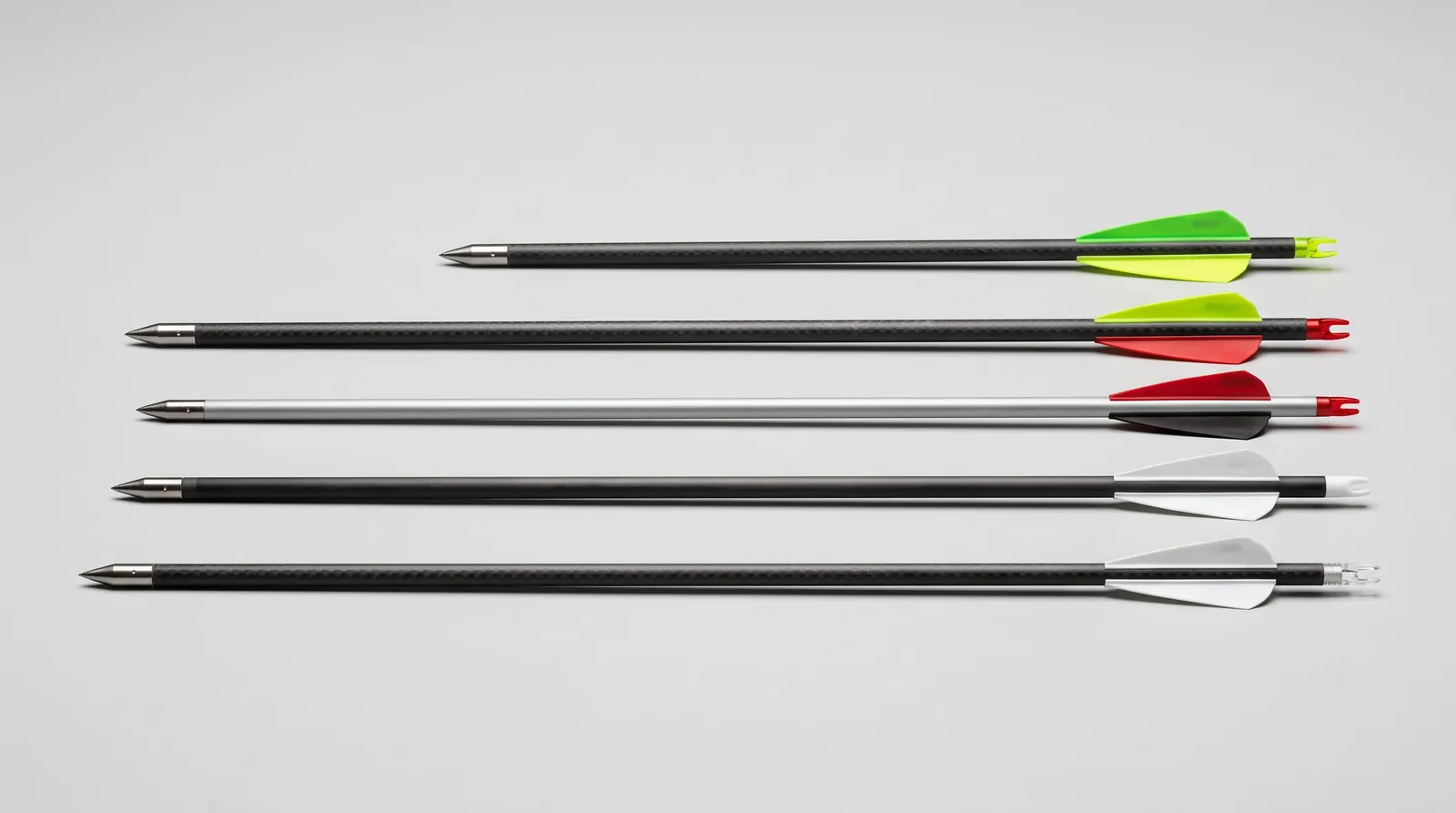 GuideHow to Choose Crossbow Bolts in 2026: Sizing GuideA six-step method for choosing crossbow bolts by length, grain weight, nock and spine, with a size chart and a worked example.Read the guide
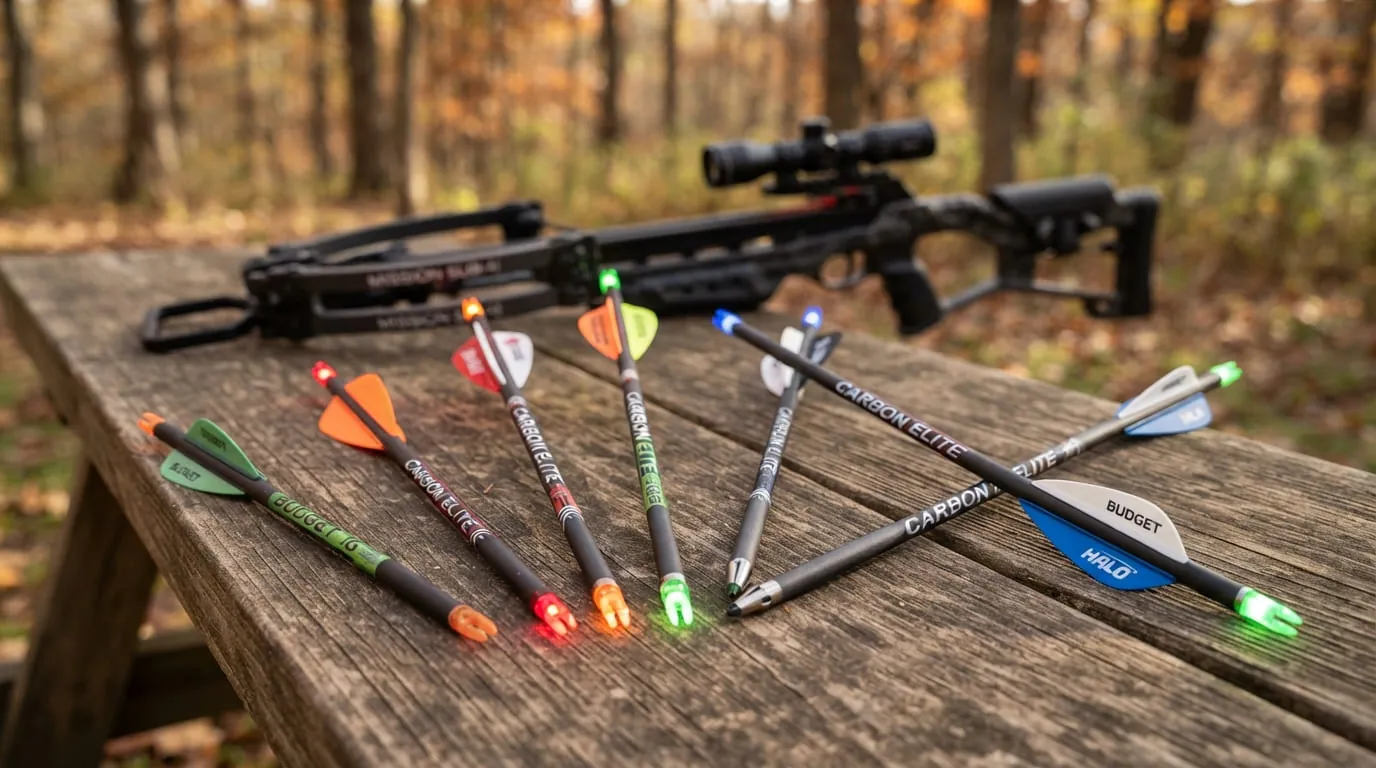 GuideBest Crossbow Bolts in 2026: Six Picks by JobCrossbow bolts compared by grain weight, length, nock type and straightness, from 12-pack practice bolts to weight-matched carbon and lighted hunting bolts.Read the guide
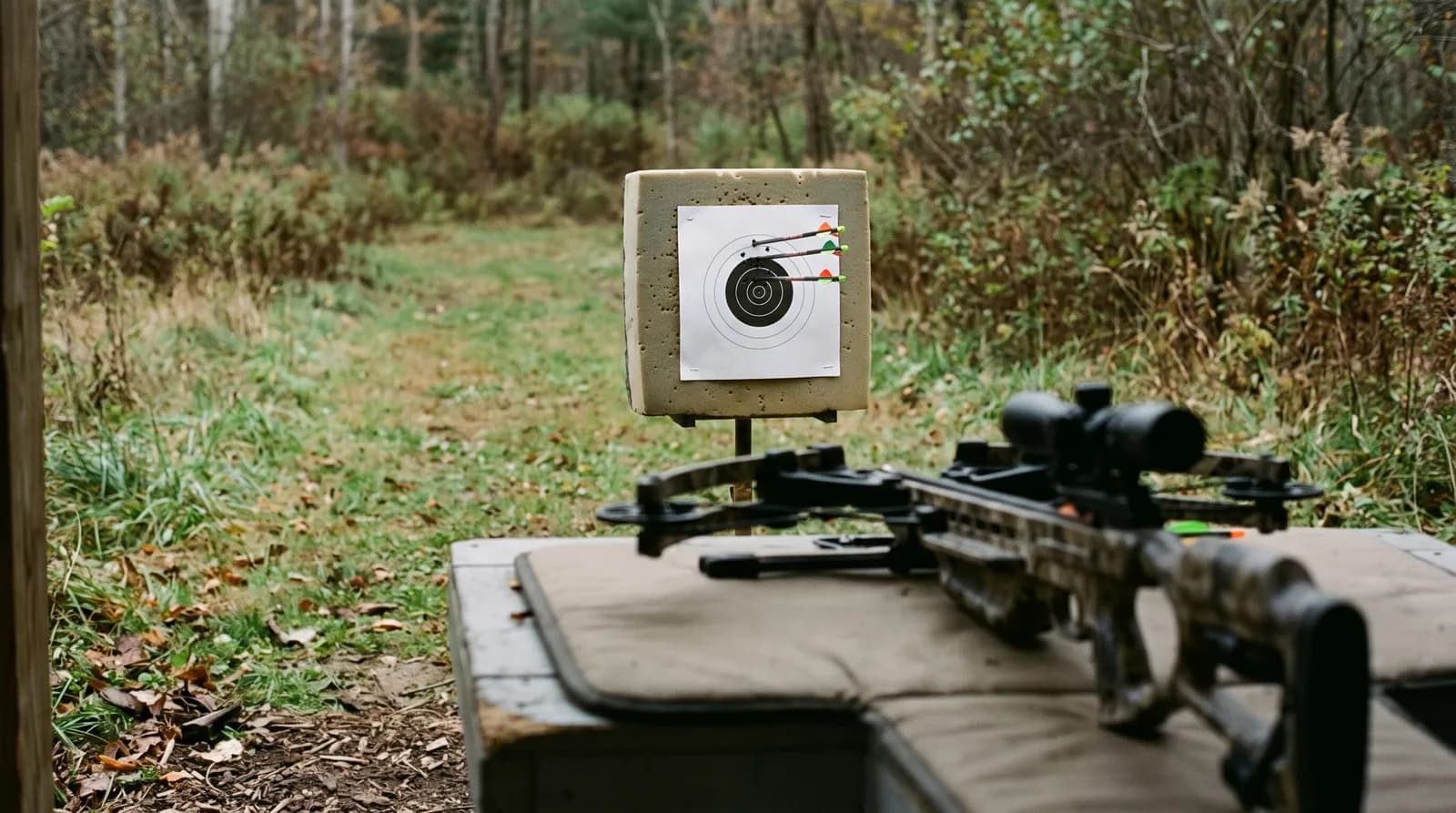 GuideWhy Your Crossbow Shoots High, Low, Left or RightA direction-first diagnosis for crossbow misses: high, low, left, right and drifting groups, what each pattern means, and the fix for each.Read the guide
Definitions are general information. Manufacturer figures vary, so follow your crossbow's manual and verify local laws with the relevant authority.