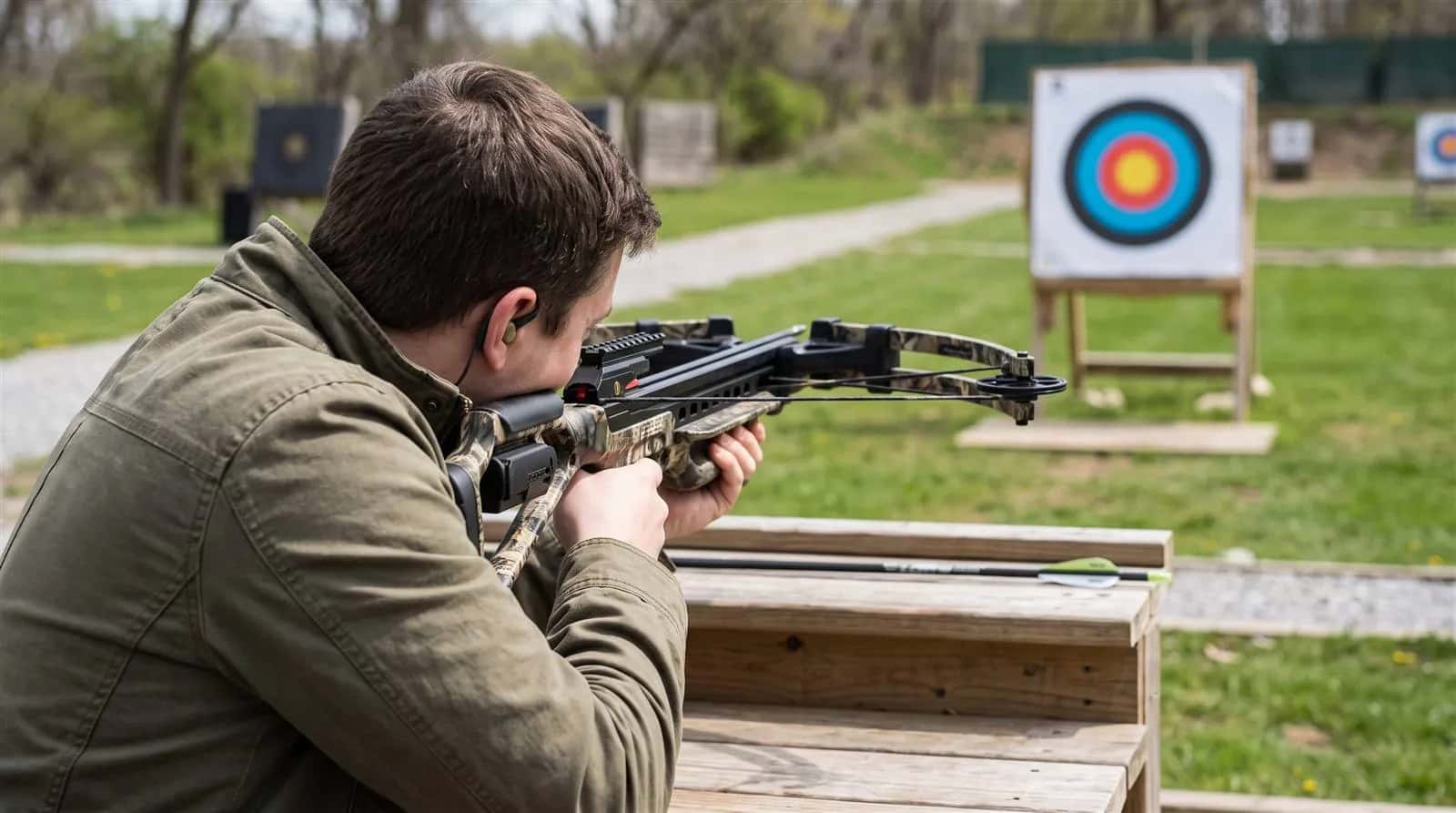
A crossbow that keeps shooting high is telling you something specific, and so is one that drifts low, left or right. The direction of the miss, and the distance it appears at, narrow the cause down faster than any amount of turret twiddling. A tight group in the wrong place is almost always a zero, scope-speed or angle problem. A group that wanders or spreads is almost always the bolts, the cocking or the shooter.
This guide is a diagnosis tool. It sorts misses by direction, explains what each pattern usually means, and gives you the fix in the order you should try it. If you already know your scope simply needs zeroing, my step-by-step guide to sighting in a crossbow scope covers the click math and the session routine in full. This page is for when you have zeroed and the bolts (arrows, in vertical-bow terms) still are not going where you aim.
It works for compound and recurve designs alike, whether you shoot a budget package from the compound crossbows hub or a flagship.
Read the Group Before You Touch the Scope
Before you decide the crossbow "shoots high", look at what the group is doing. The pattern is the clue.
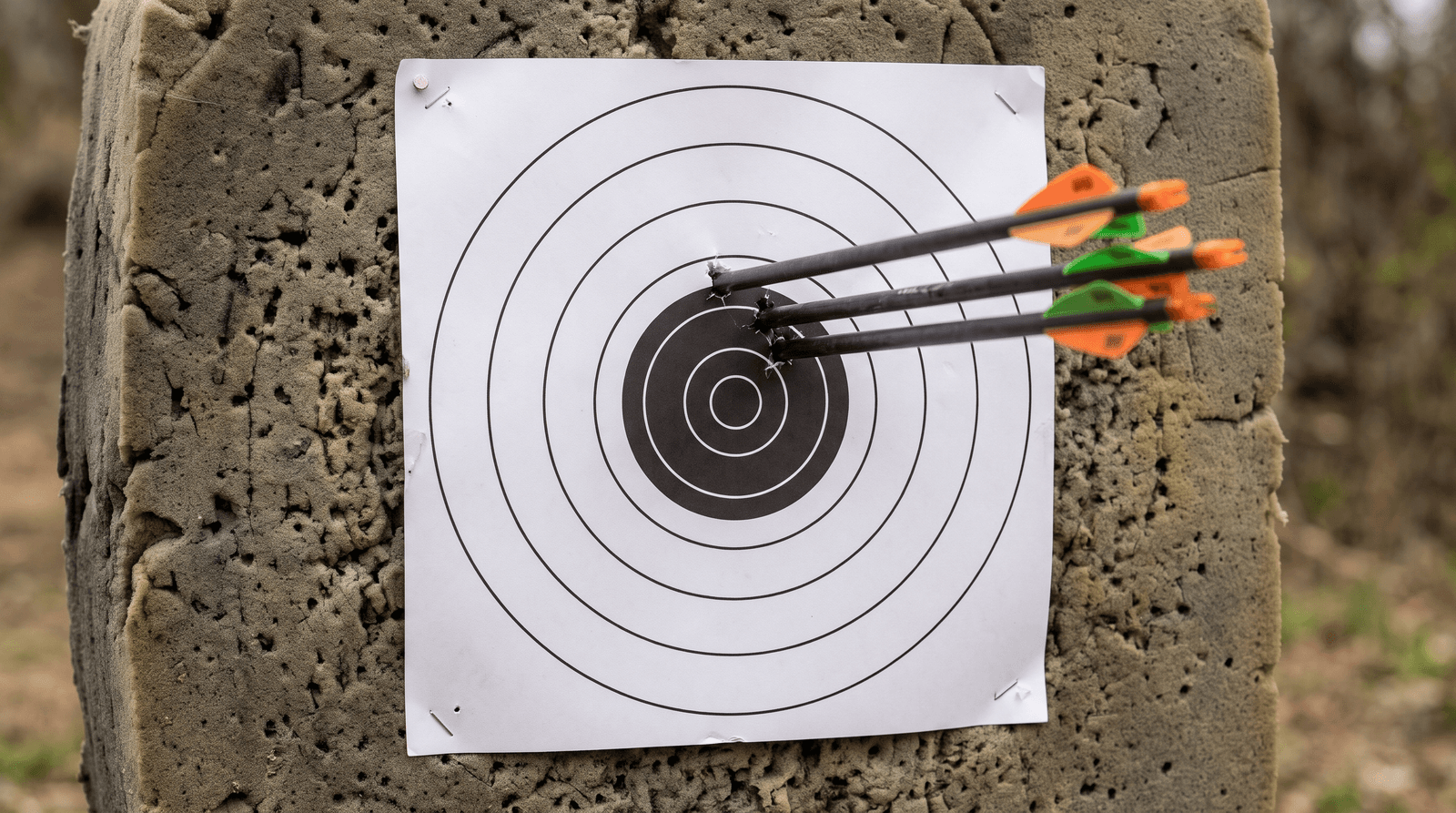
| What the group looks like | What it usually means | Where to look first |
|---|---|---|
| Tight, but off center | Consistent crossbow, zero is off | Scope turrets |
| Tight at 20 yd, off further out | Scope marks don't match your speed or bolt weight | Scope calibration, bolt weight |
| Spread vertically (up-down string) | Inconsistent rest, cheek weld or bolt weight | Form, rest, bolts |
| Spread horizontally (side to side) | Uneven cocking, canting, nock or string issue | Cocking, level, serving mark |
| Random scatter | Loose scope, damaged bolts, or flier | Mount screws, bolts |
| Group moves between sessions | Mount slipping, string stretch, temperature | Rings, string, record conditions |
| One bolt always out | That bolt is the problem | Number your bolts |
Two habits make this table work. Shoot groups of three or more, never react to one bolt. And number every bolt with a marker so you can see if the same one keeps flying off.
Crossbow Keeps Shooting High: The Causes
When a crossbow keeps shooting high, the cause is usually one of five things. Check them in this order.
1. The zero is simply off
If every bolt lands high by about the same amount at your zero distance, the scope needs moving down. Measure the group's center in inches, convert it into clicks and turn the elevation turret the way the manual says moves impact down. At 20 yards one MOA is about 0.21 inch, so a scope with 1/2 MOA clicks moves impact roughly 0.1 inch per click at that distance. My sight-in guide has the full windage and elevation conversion tables.
2. You are using the wrong aiming point
Multi-reticle scopes assume you set a specific dot or line at a specific distance. If you zeroed the top crosshair at 20 yards but the scope is designed for that crosshair at a different distance, every lower mark will hit high or low further out. Some scopes also need a set magnification for the marks to be right. The Vortex Crossfire II 2-7x32 I reviewed is calibrated around a 40-yard zero, and its hold marks were only accurate at the maximum 7x setting. Multi-point reticles add more marks to confirm: the TenPoint EVO-X Marksman Elite is calibrated across a 300 to 550 FPS range in my review, so set it to your real speed before you trust its lower references.
3. Your crossbow is faster than the scope expects
A scope calibrated for a slower crossbow, or set to the wrong speed on a speed dial, puts your longer-range marks too low on the bolt's real path, so you hit high. The giveaway is that 20 yards is perfect and 40 or 50 yards is high. Chronograph your crossbow if you can, compare it with the scope's speed band and use the scope speed matcher to check the fit.
4. You switched to lighter bolts
A lighter bolt leaves faster and drops less, so the same aim point lands higher, especially at distance. If you changed bolt brand, weight, or point weight since you zeroed, re-zero. The bolt drop chart shows how much the path changes between two bolt weights at the same speed.
5. You are shooting from a tree stand or up a slope
If the crossbow is dead-on at the range and only hits high from a stand, the crossbow is fine. See the angle section below.
Crossbow Shooting High From a Tree Stand
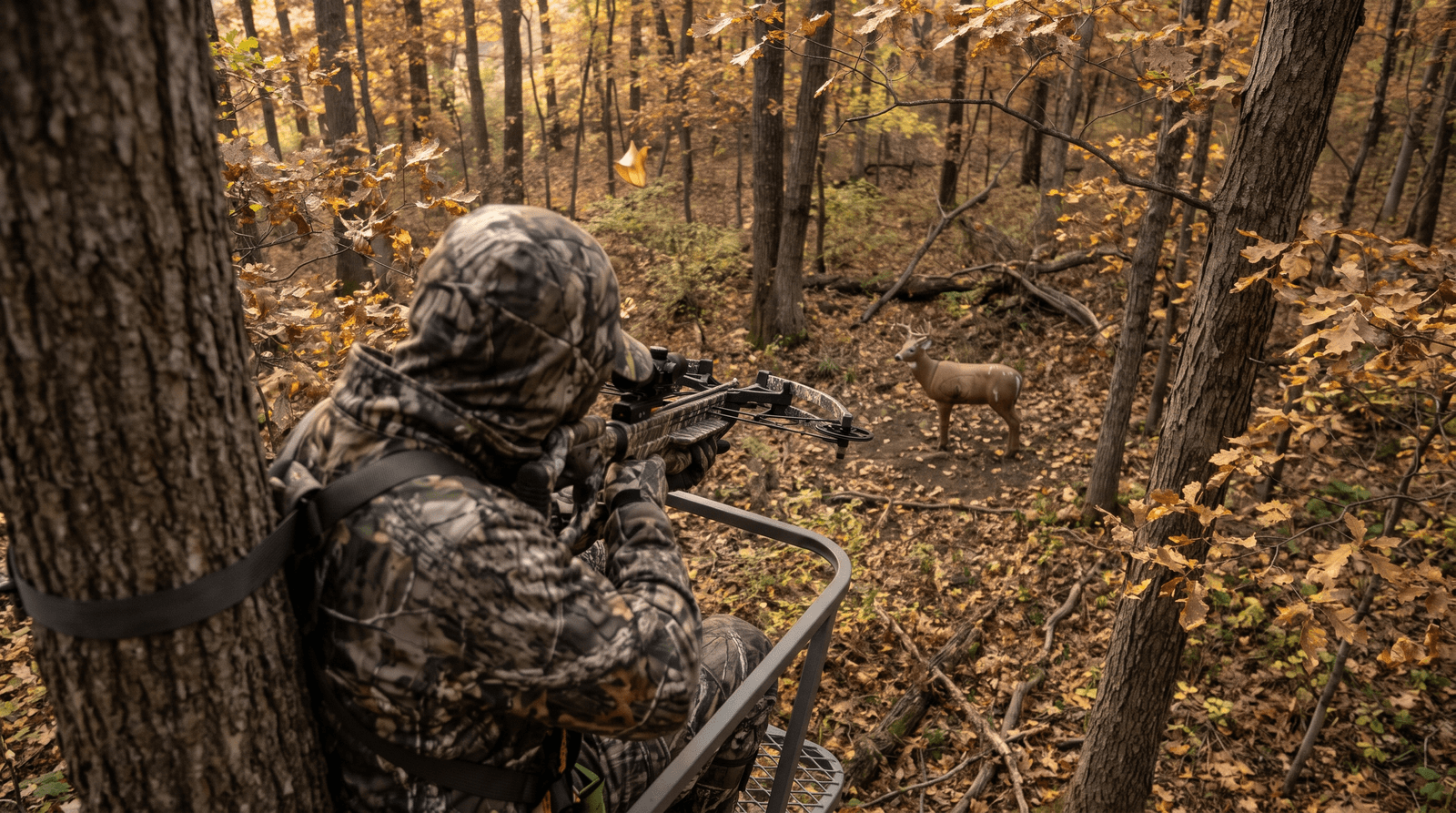
This is the most common "my crossbow shoots high" story in the woods, and it has nothing to do with the crossbow. Gravity only pulls the bolt down across the horizontal distance to the target, not the straight-line distance your rangefinder reads. From an elevated stand, the horizontal distance is shorter, so the bolt drops less than your aim point expects and lands high. The same is true shooting steeply uphill.
The rule hunters use: aim for the horizontal distance, not the line-of-sight distance. Horizontal distance is the line-of-sight distance multiplied by the cosine of the angle.
| Line-of-sight distance | Shot angle | Horizontal distance (aim for this) |
|---|---|---|
| 30 yards | 10° | about 29.5 yards |
| 30 yards | 20° | about 28 yards |
| 30 yards | 30° | about 26 yards |
| 30 yards | 45° | about 21 yards |
| 20 yards | 30° | about 17 yards |
This is geometry, not test data. In practice, shallow angles barely matter, and steep angles at close range matter a lot. Two practical fixes:
- Use a rangefinder with angle compensation, which reads out the horizontal distance for you.
- Practice from the height you hunt from, at the distances you expect, into a target with a safe backstop.
Because the shot angle also changes where the bolt exits, read my guide to crossbow safety rules for beginners for tree-stand handling, and never climb with a cocked crossbow.
Crossbow Shooting Low
Low misses usually have the opposite causes to high ones.
- Heavier bolts or heavier points than the ones you zeroed with drop more.
- The scope's marks expect a faster crossbow than yours, so you hit low further out. Strings and cables that have stretched or worn can lose speed over time, so a crossbow that "started" shooting low after a lot of use deserves a string inspection.
- Misjudged distance. A deer you think is at 30 yards that is really at 35 means a low hit. Use a rangefinder.
- Dropping the crossbow at the shot. Lifting your head to watch the bolt, or letting the forend sag, pulls shots low. Hold the sight picture until the bolt hits.
- Vanes touching something. A vane rubbing the rail, a cable or a quiver can kick the bolt off line. Check that the cock vane sits in the rail groove the way your manual shows.
If low misses appear with only some bolts, weigh them. A bolt that is noticeably heavier than its siblings, often from a different insert or a glued-in nock, will hit low. My guide on how to choose crossbow bolts covers matching weight and spine.
Crossbow Shooting Left or Right
Side-to-side misses point at the crossbow's centerline: the string, the shooter's hold or the scope's level.
Uneven or off-center cocking
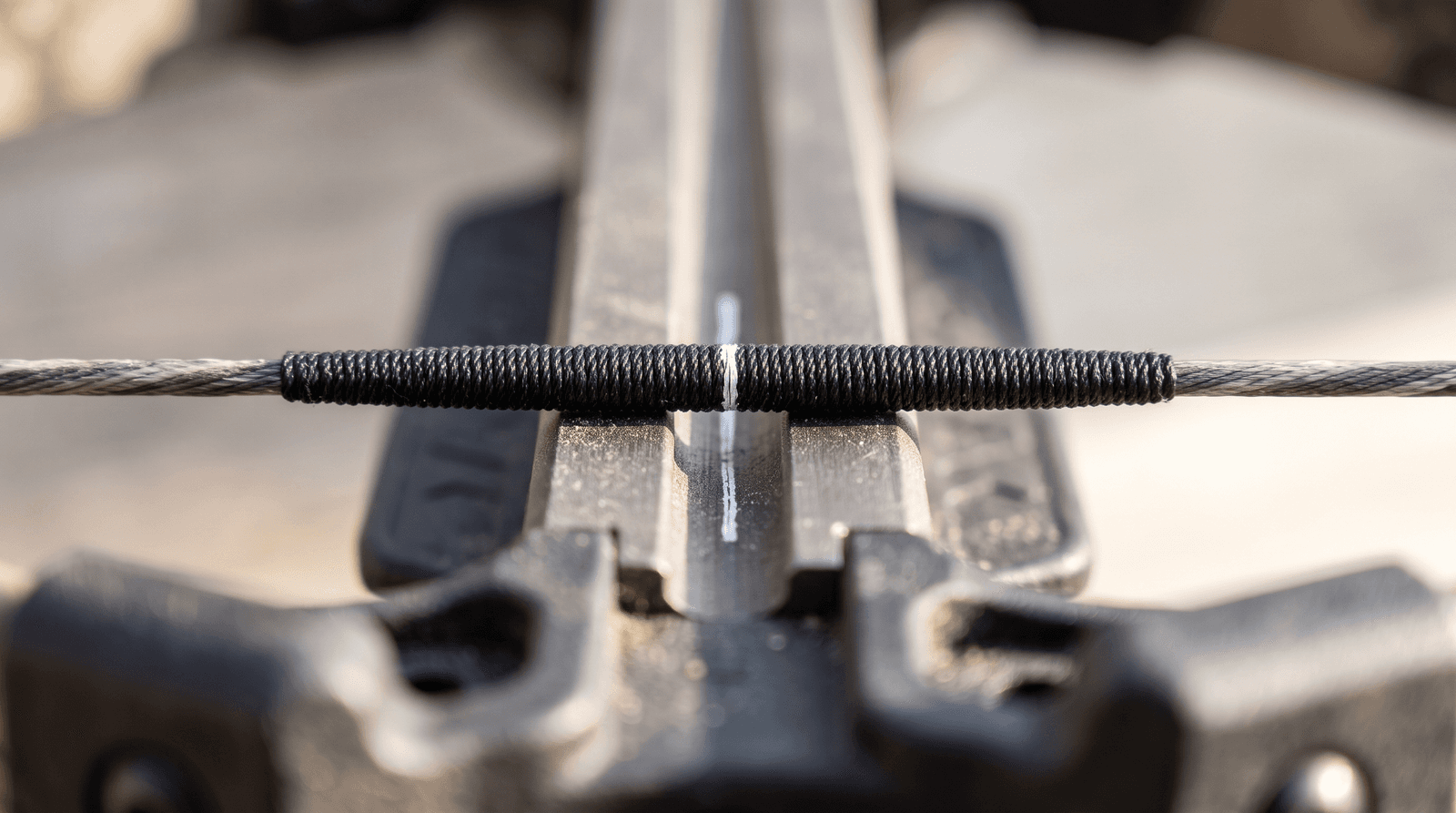
If the string latches even slightly off center, the bolt leaves at an angle. Barnett, for example, says an offset of 1/8 inch at the latch can move impact several inches downrange. The fix is to mark the center of the string's serving with a fine marker and check the mark is centered before every latch. Pull rope cocker handles evenly, or switch to a crank, which centers the string mechanically. My guide to how to cock a crossbow explains the technique, and Barnett owners can find brand-specific notes in my guide to Barnett crossbow problems.
Canting the crossbow
Tilting the crossbow even a few degrees moves impact sideways, toward the side you tilt, and the error grows with distance. Canting is the most common reason a shooter is fine on the bench and off in the field. A small bubble level on the scope rail, or lining the vertical crosshair up against a tree trunk, fixes it.
Wind and the scope's windage
A steady crosswind pushes a bolt downwind, and a slower, lighter-vaned bolt drifts more. If misses only go one way on windy days, that is wind, not a fault. If they go one way on calm days at every distance, adjust windage.
Scope or mount not straight
If the scope is mounted at an angle to the rail, or the rings shifted, the group can drift sideways as distance grows. Check the ring screws, and use paint or witness marks on screw heads so you can see movement.
Limb or cam problems
If the cocking is centered, the crossbow is level and the bolts are matched, but the group still drifts one way, the limbs or cams may be out of balance. On a compound that can mean cam timing; on a recurve, unequal limbs. That is a technician job, not a home fix.
When Only Broadheads Miss
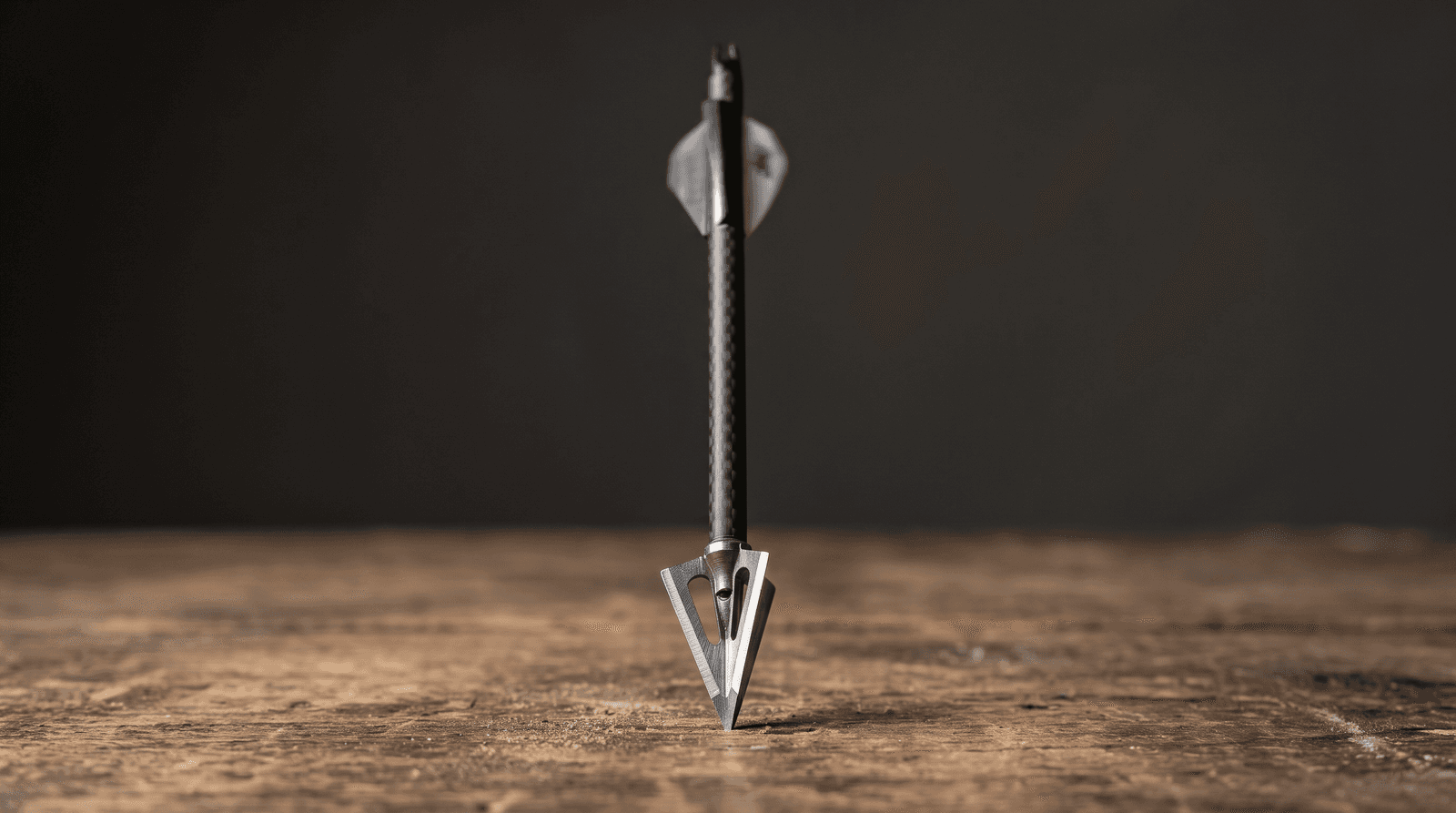
If field points group and broadheads don't, the crossbow is not the problem. Fixed-blade broadheads have surface area that can steer the bolt (called planing), especially if the blades aren't lined up with the vanes or the bolt is slightly bent. Expanding heads usually fly closer to field points because the blades are closed in flight.
- Spin-test each broadhead-tipped bolt on a flat surface; a wobble means a bent ferrule, insert or shaft.
- Try turning the broadhead so its blades line up with the vanes.
- Make sure the broadhead weighs the same as your field points.
- Re-sight with the broadhead you will hunt with, into a dedicated broadhead target.
- If it still won't group, try a different broadhead design.
For choosing a hunting head, see the best crossbow broadheads for deer hunting.
Groups That Spread or Wander
A group that won't settle is a consistency problem, and the fix is to remove variables one by one.
Bolt problems
Mixed brands, weights or spines in one quiver are the most common cause. So are damaged nocks, loose inserts and bent shafts. Number your bolts, and if one is always the flier, retire it. Front-heavy balance helps bolts settle, which is why FOC matters for broadheads at distance; the FOC calculator shows yours.
Shooter problems
- Rest pressure. Rest the forend the same way every shot, and don't rest the barrel or limbs on something hard.
- Cheek weld. Put your face in the same place on the stock each time.
- Trigger. Squeeze straight back; a slap or jerk moves the crossbow at release.
- Follow-through. Keep looking through the scope until the bolt hits.
Mount and scope problems
A scope that won't hold zero between sessions is either loose in its rings, the rings are loose on the rail, or the scope is faulty. Tighten to the manual's torque, re-zero, then shoot a group the next day without touching anything. If it moved, the optic is the suspect. A scope with a box-test-proven turret, like the Crossfire II whose turrets returned to zero in my tracking test, removes that variable.
String, rail and maintenance
A dry flight rail adds friction that varies shot to shot, and a fuzzy or stretched string changes speed. Wax the string and lube the rail on the schedule in your manual. My crossbow maintenance guide covers the routine.
Fix It in This Order
When you aren't sure where to start, work through this list. Each step removes one variable before you change the next.
- Unload, de-cock and check the scope ring and base screws are tight.
- Check every bolt: same brand, length, weight and point; no damaged nocks or vanes.
- Mark the string's center serving.
- Set up a solid bench rest at 20 yards with a safe backstop.
- Cock carefully, confirm the serving mark is centered, and shoot a three-bolt group.
- Keep the crossbow level and hold through the shot.
- Measure the group's center, convert to clicks and adjust once.
- Shoot a confirmation group at 20 yards, then check each aiming point out to your maximum distance.
- Switch to broadheads and confirm they land with the field points.
- Practice from your hunting position, including any stand height.
Write down the results each session. Over a season, those notes tell you whether a miss was a one-off or a trend.
Common Mistakes That Cause Misses
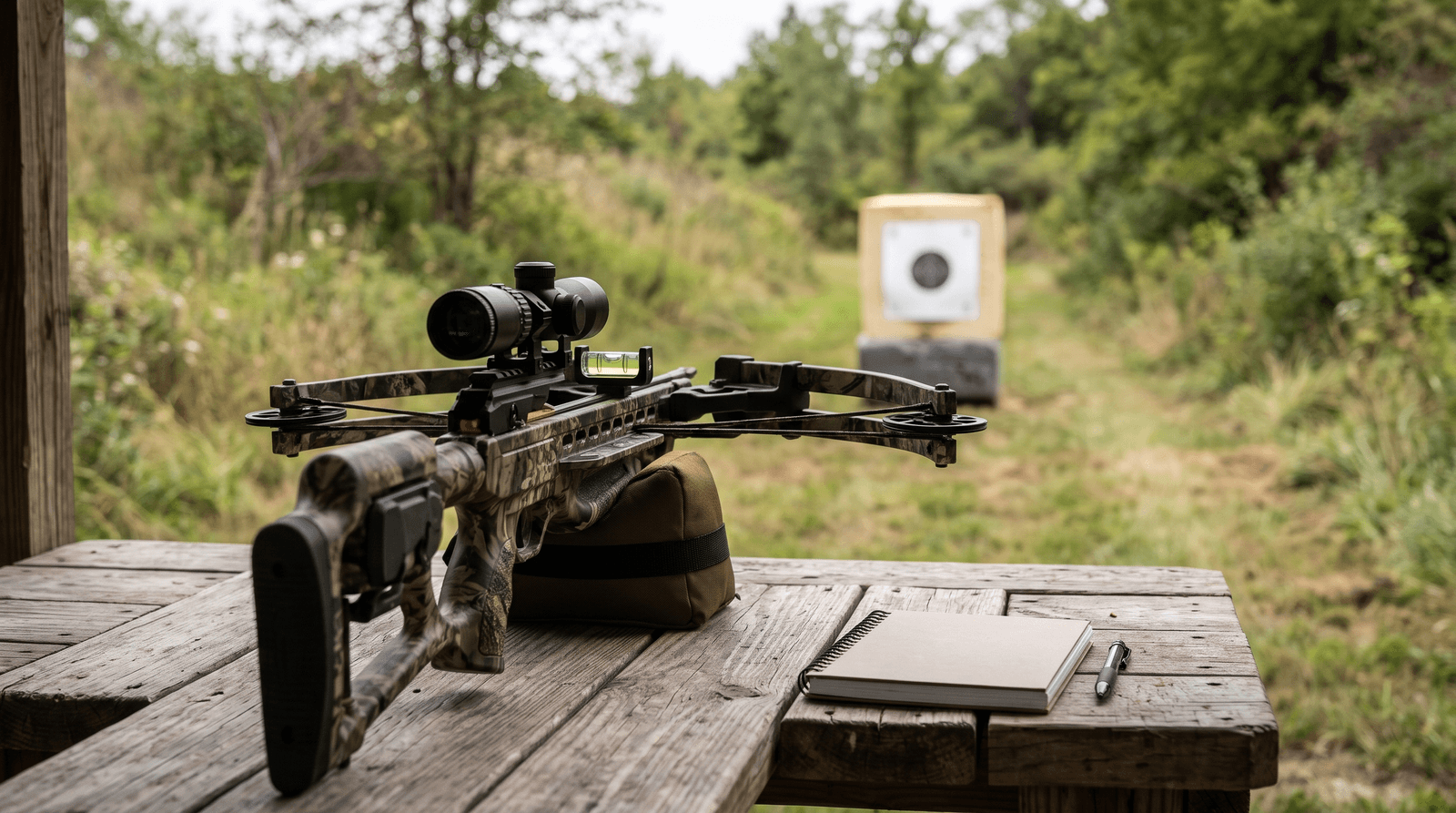
- Adjusting after one bolt. One bolt can't tell you where the group is.
- Zeroing with field points, then hunting with broadheads without checking them.
- Changing bolts mid-season without re-zeroing.
- Using line-of-sight distance from a stand instead of horizontal distance.
- Ignoring the scope's magnification requirement for its hold marks.
- Cranking turrets to fix a loose mount. Tighten the mount first.
- Cocking unevenly when tired, especially with a rope cocker.
- Canting in the field when you were level on the bench.
When to Stop and See a Technician
Stop shooting and take the crossbow to a qualified technician or the manufacturer if you see:
- cracks, chips or splinters in a limb, or a bent cam;
- a string or cable with cut strands, or one that sits off its track;
- a group that drifts the same way with centered cocking, level hold and matched bolts;
- a sudden change in speed, sound or vibration;
- any trigger or safety that behaves differently from normal.
A misaligned cam or a damaged limb can fail under load, so these are not issues to shoot through.
Frequently Asked Questions
Why does my crossbow keep shooting high?
Most often the zero is simply off, your scope's distance marks don't match your crossbow's speed, you switched to lighter bolts, or you are shooting from a stand or up a slope. Check which pattern fits: high at every distance, high only further out, or high only from elevation.
Why does my crossbow shoot high from a tree stand?
Gravity only acts over the horizontal distance to the target, which is shorter than the straight-line distance from a stand. The bolt drops less than your aim point expects and lands high. Aim for the horizontal distance or use an angle-compensating rangefinder.
Which way do I turn the scope if my crossbow shoots high?
Turn the elevation turret in the direction your manual marks as moving impact down. Conventions vary, so check the turret marking or manual before turning. Measure the group's center in inches first, then convert to clicks using your scope's click value.
Why does my crossbow shoot left or right?
The usual causes are off-center cocking, tilting the crossbow, wind, or a scope that needs windage adjustment. If the side-to-side miss changes from shot to shot, look at cocking and canting. If it is the same every shot, adjust windage.
Why do my broadheads hit differently than my field points?
Broadheads, especially fixed blades, have surface area that can steer the bolt, and a slightly bent shaft or misaligned blade exaggerates it. Spin-test the bolts, match broadhead and field point weights, and re-sight with the broadhead you will hunt with.
Can heavier bolts make my crossbow shoot low?
Yes. A heavier bolt or point leaves slower and drops more, so the same aim point lands lower, and the gap grows with distance. Re-zero whenever you change bolt weight or point weight, and keep every bolt in the quiver matched.
Why won't my crossbow hold zero?
The scope rings or base are usually loose, or the scope's internals are failing. Tighten every mount screw to the manual's figure, mark the screw heads, re-zero and recheck the next session. If the zero moves with tight mounts, replace or service the scope.
How many bolts should I shoot before adjusting the scope?
Shoot at least three bolts at one distance from a steady rest, then adjust based on the center of the group. Adjusting after one bolt chases random error and can leave you further off than you started.
Bottom Line
A crossbow that keeps shooting high, low, left or right is rarely broken. Read the group first: a tight group in the wrong place is a zero or angle question, and a spreading group is bolts, cocking or form. Fix the mount, match the bolts, cock to a center mark, stay level, aim for the horizontal distance from a stand and adjust only from groups.
Once the cause is fixed, use the sight-in routine linked at the top of this guide to lock your zero, and if your scope can't hold it, compare options in the crossbow scopes hub.
Read nextHow to sight in a crossbow scopeRe-zero step by step once the cause is fixed.Gear mentioned in this guide
Reviews we link to above, highest rated first. Read the full review before you buy.
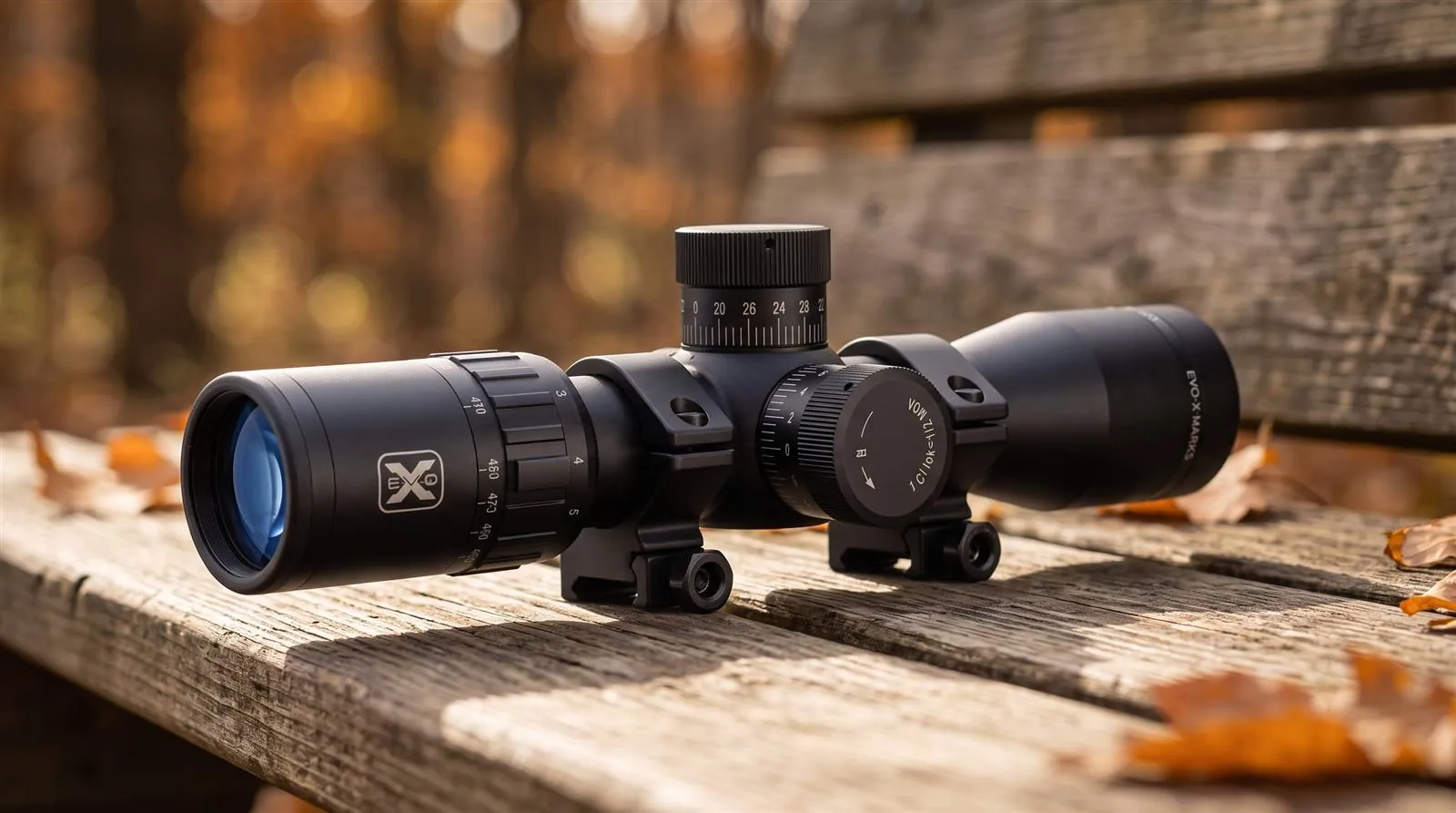
EVO-X Marksman Elite Review
Glass-reticle crossbow scope that covers a wide speed band and held its zero. Premium optics with no rangefinding electronics at about half the price of digital rivals.
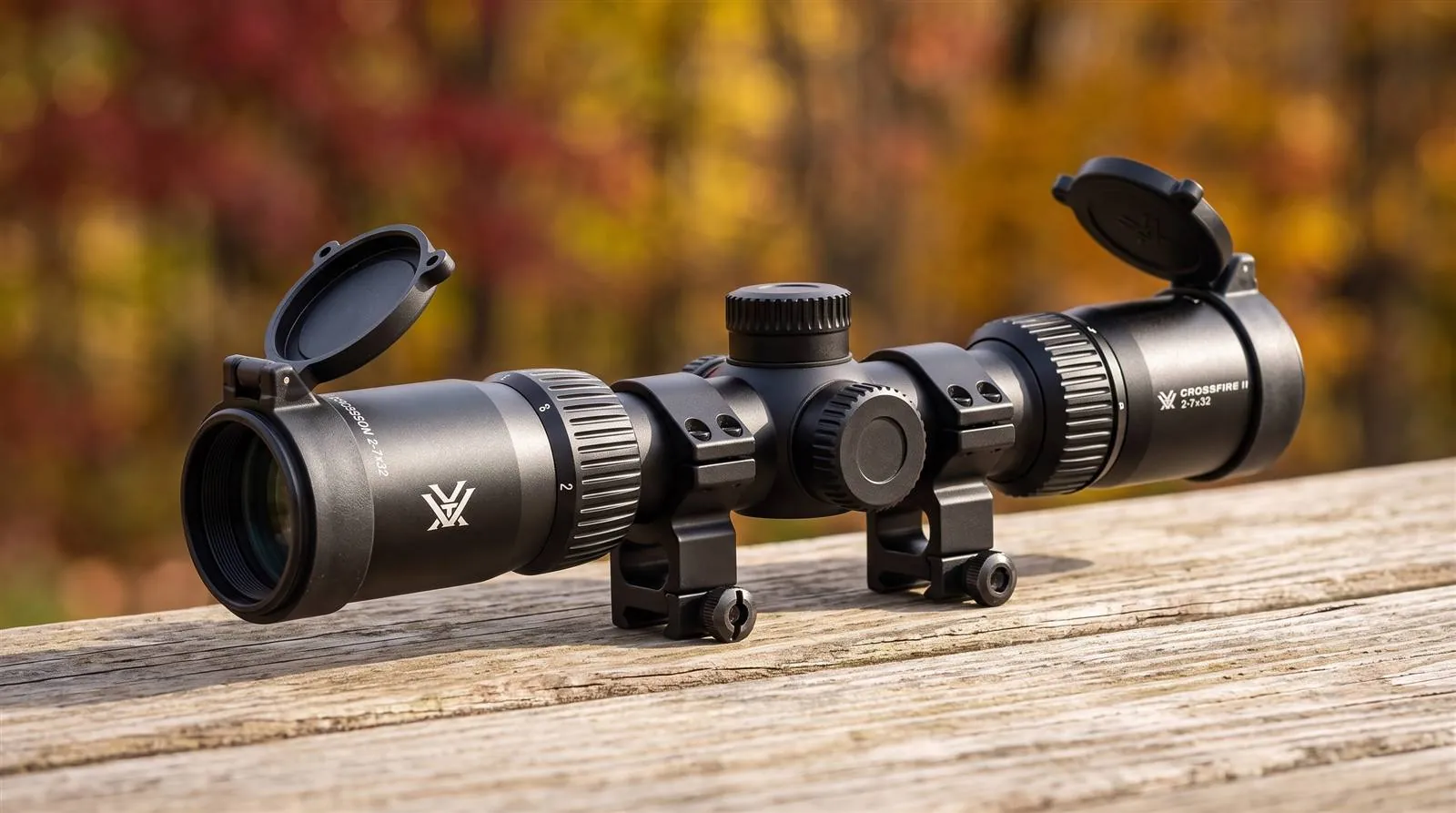
Vortex Crossfire II 2-7x32 Review
2-7x32 crossbow scope with precise 1/2 MOA turrets, hold marks that matched bolt drop once calibrated, and 2.7 inches of eye relief that caused no brow strikes in testing. A common bundled-scope upgrade.
Ready to compare models? Read our tested crossbow reviews to see how each one measured up in testing.
More Crossbow Guides
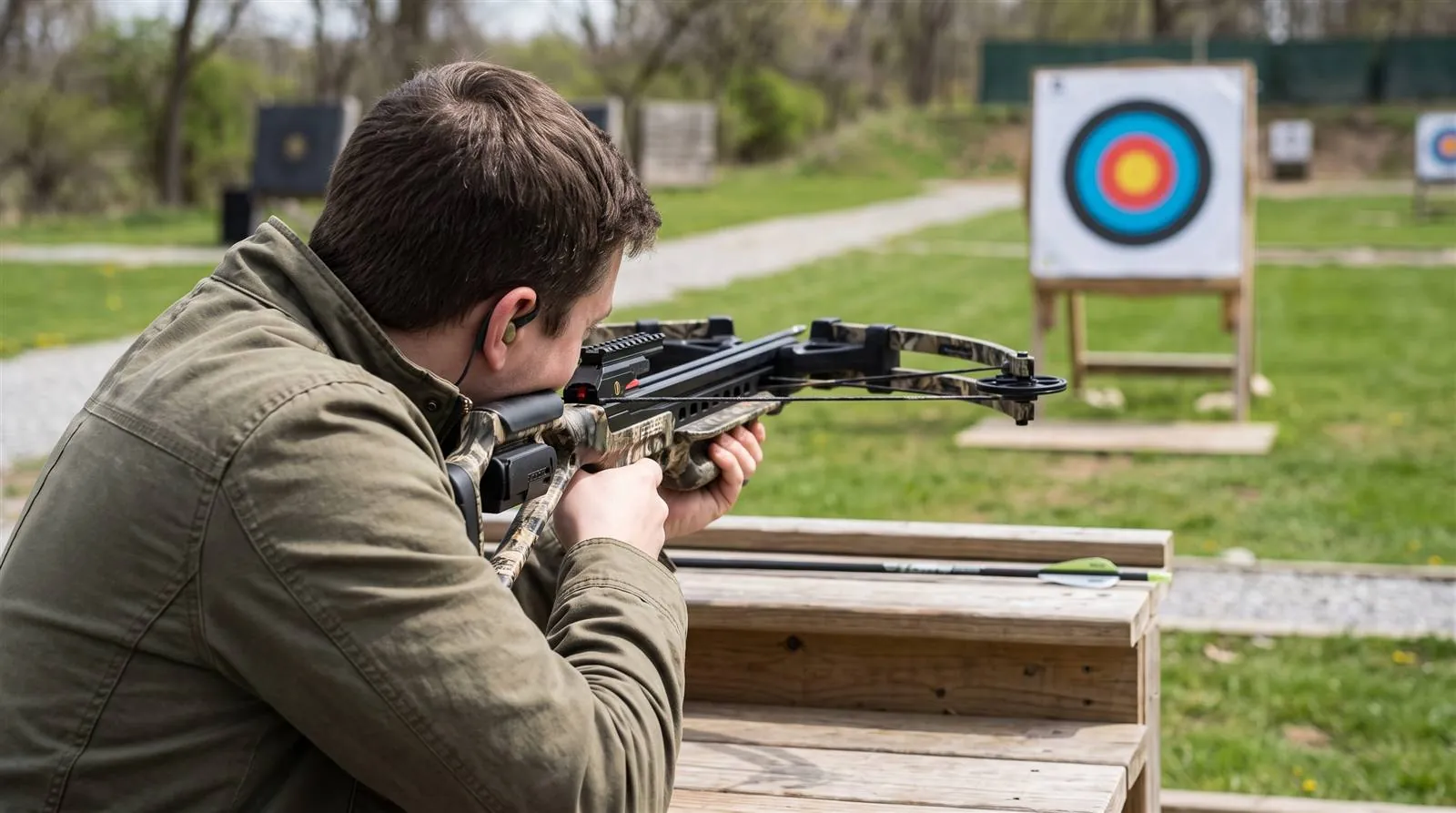
How to Sight In a Crossbow Scope
Sighting in a crossbow scope step by step: safe lane setup, first zero, confirming each aiming point, and re-checking with your hunting tip.
Read guide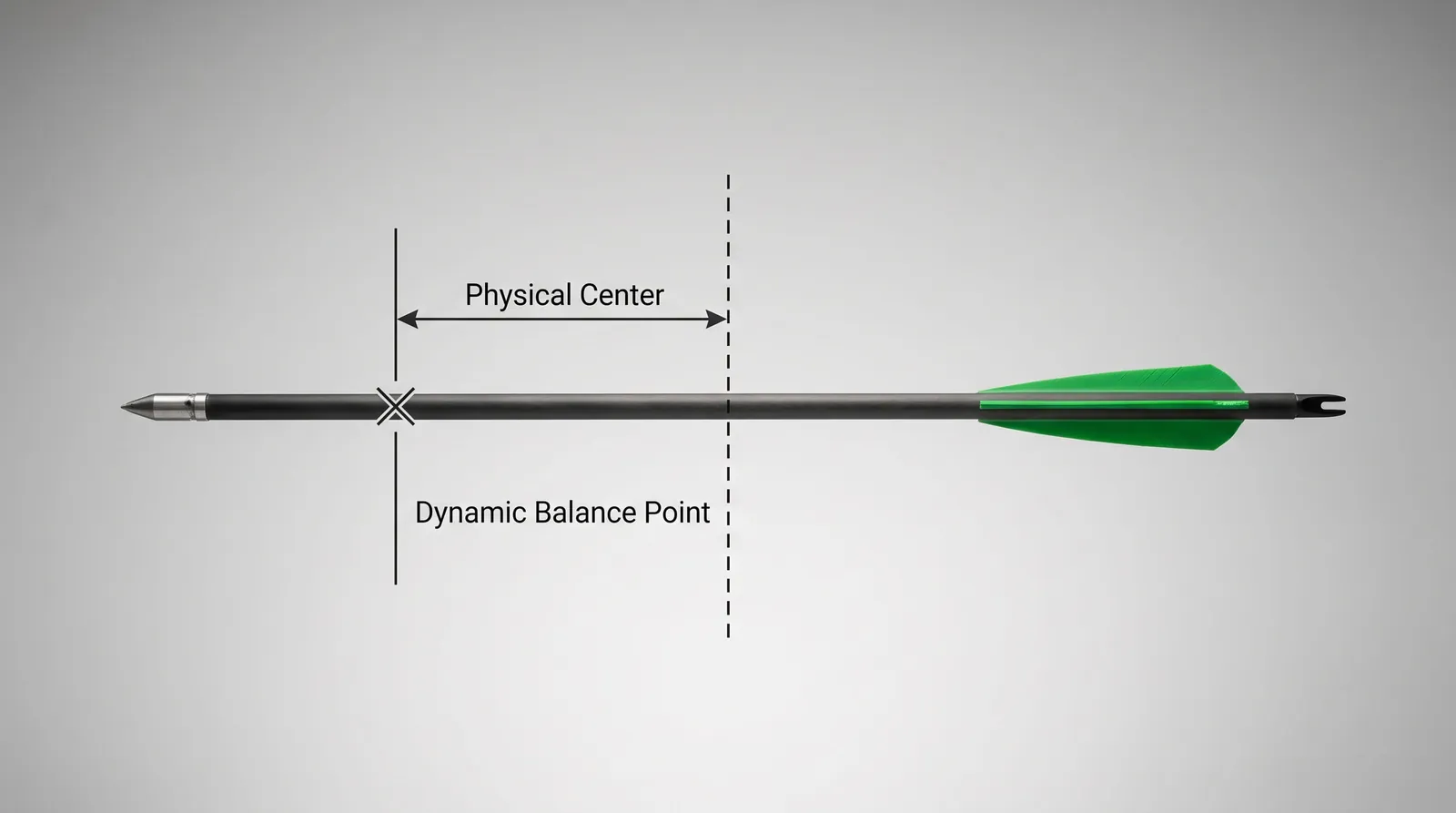
Crossbow Bolt FOC Explained for Hunters
Front of center (FOC) explained for crossbow bolts: how to calculate it, what changes it, how it affects flight, and FOC figures from our bolt tests.
Read guide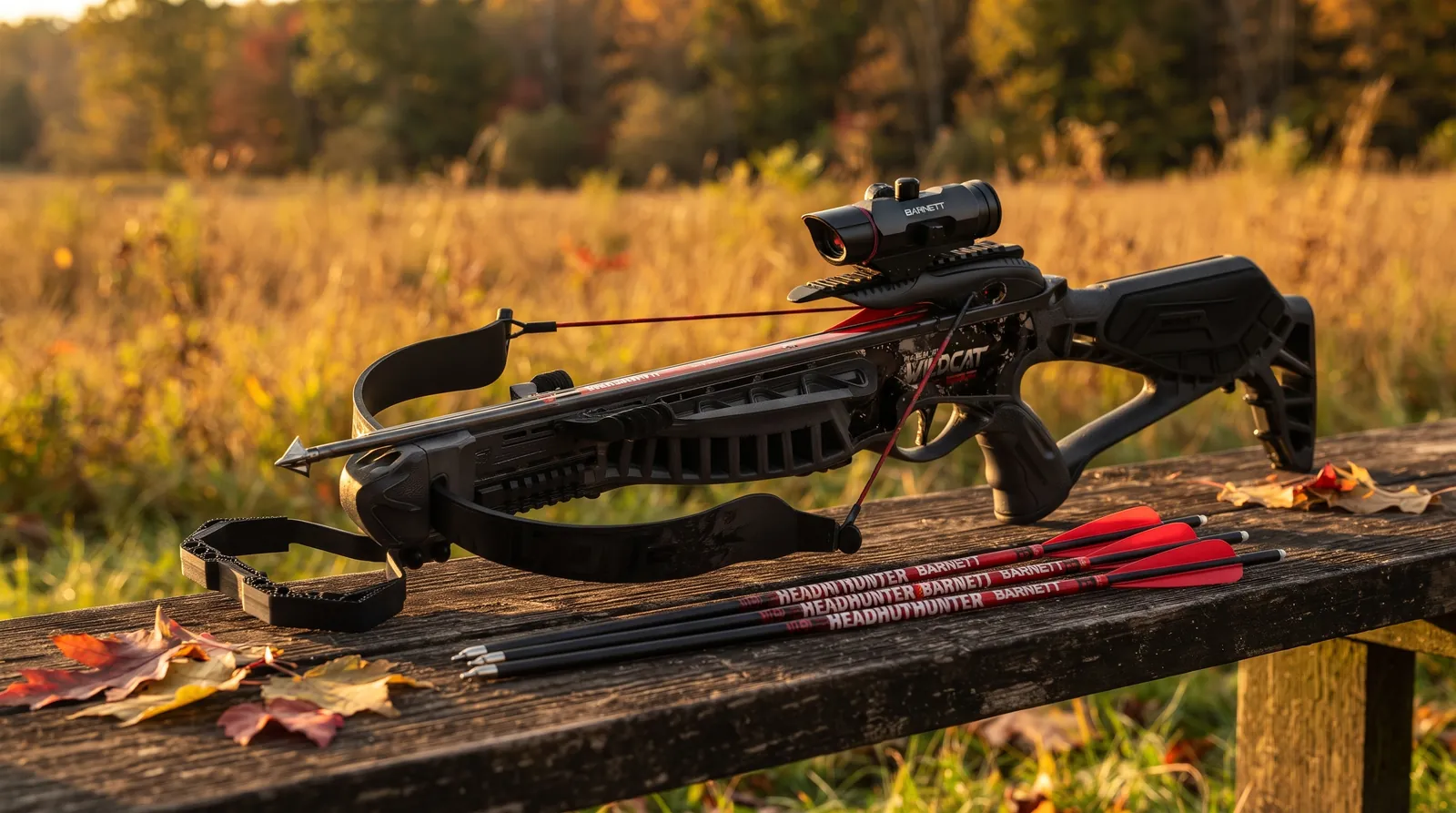
Barnett Crossbow Problems: Causes & Fixes
A symptom-to-fix guide for Barnett crossbows: ADF trigger lockouts, arrow weight rules, off-center cocking, string wear, de-cocking and warranty voids.
Read guide