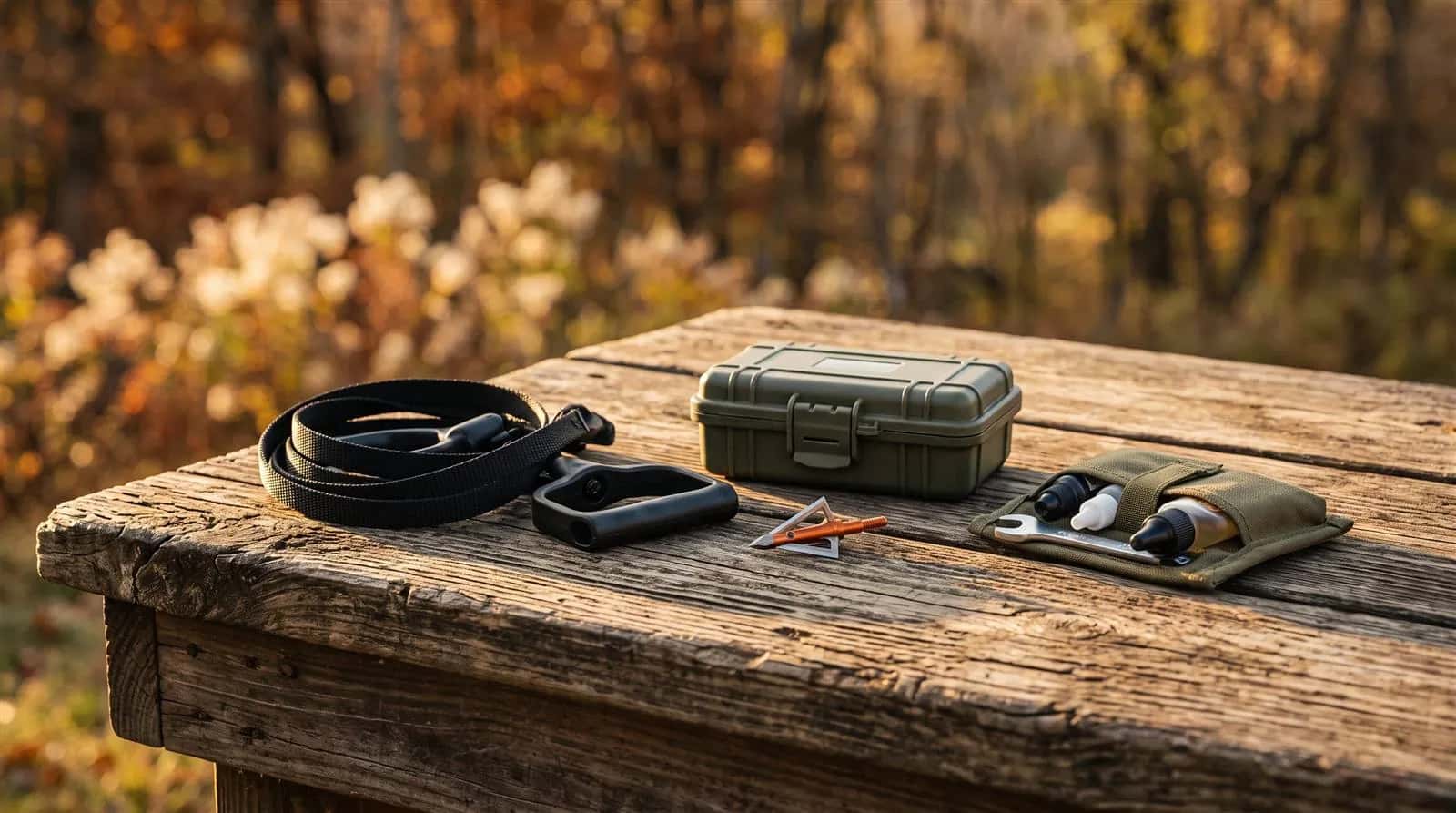
Crossbow Planing in plain terms
Crossbow Planing meaning: Planing is when broadhead blades catch air like small wings and steer a bolt off the line its field points would fly.
Also called: broadhead planing, broadhead steering, wind planing
Planing describes a broadhead-tipped bolt that veers away from where the same bolt with a field point would hit. The blades at the front act like small wings. If the bolt is even slightly crooked, those wings catch air and steer it.
Common starting points are a bent shaft, an insert that is not square to the shaft, or a broadhead that sits off center. The blades then magnify the small error into a visible miss.
Blade surface area matters. A fixed-blade broadhead shows its full blade profile in flight, so it tends to plane more than a mechanical head, whose blades stay closed until impact.
Why it matters
A bolt that planes will not land with your field-point zero, so a shot that looks right at the target can miss the vitals.
It points to a fixable problem in the bolt or head, not a fault in the crossbow itself.
Larger fixed blades and longer distances both tend to make the effect bigger.
How to read it on a spec sheet
- Manufacturers do not list planing on spec sheets; it is a flight behavior, not a rating.
- Look for stated straightness on bolts, since a straighter shaft gives the blades less to steer.
- Note whether a head is fixed-blade or mechanical, and its cutting diameter, as larger exposed blades catch more air.
- Check that the head weight matches your field points so you compare like with like.
Common mistakes
- Adjusting the scope to chase planing instead of fixing the bolt or head.
- Mixing bolts of different straightness or weight and blaming the broadhead.
- Skipping a spin check after screwing in a new head.
- Assuming a group that matches at close range will still match farther out.
Narrow down planing
- Shoot a group with field points, then the same bolts with broadheads of the same weight.
- Spin each broadhead bolt and set aside any whose tip wobbles.
- Check the inserts are fully seated and square to the shaft.
- If fixed blades still group away, try rotating the head or consider a mechanical head.
See it in our reviews
- TenPoint Nemesis Broadhead — rated 4.3/5
- Ravin R102 Broadhead — rated 4.3/5
Frequently Asked Questions
What is broadhead planing?
It is a broadhead-tipped bolt being steered off line because its blades catch air. It usually starts with a crooked shaft, insert or head, and the blades magnify it.
Do mechanical broadheads plane?
Less than fixed blades, because their blades stay closed in flight. A crooked bolt can still fly off line with any head, so the same bolt checks apply.
Can I fix planing with the scope?
Not reliably. Moving the scope hides the symptom for one bolt. Fix the bolt, insert and head alignment first, then confirm your zero.
Related guides
Guides where planing shapes a real choice.
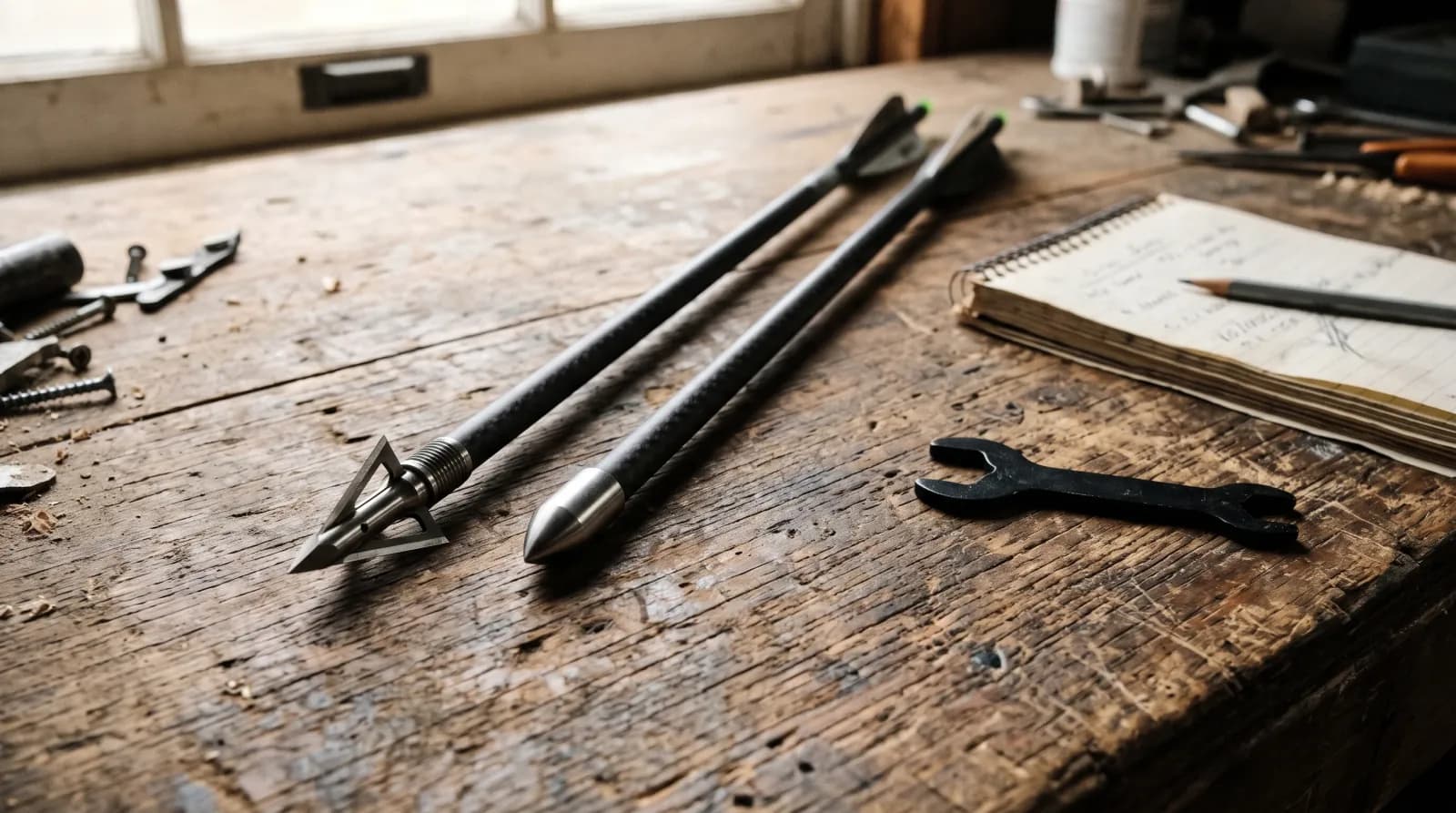 GuideCrossbow Broadhead Tuning: Get Broadheads on Your ZeroWhy broadheads leave your field-point group, and the home procedure, in order, that brings them back before the season.Read the guide
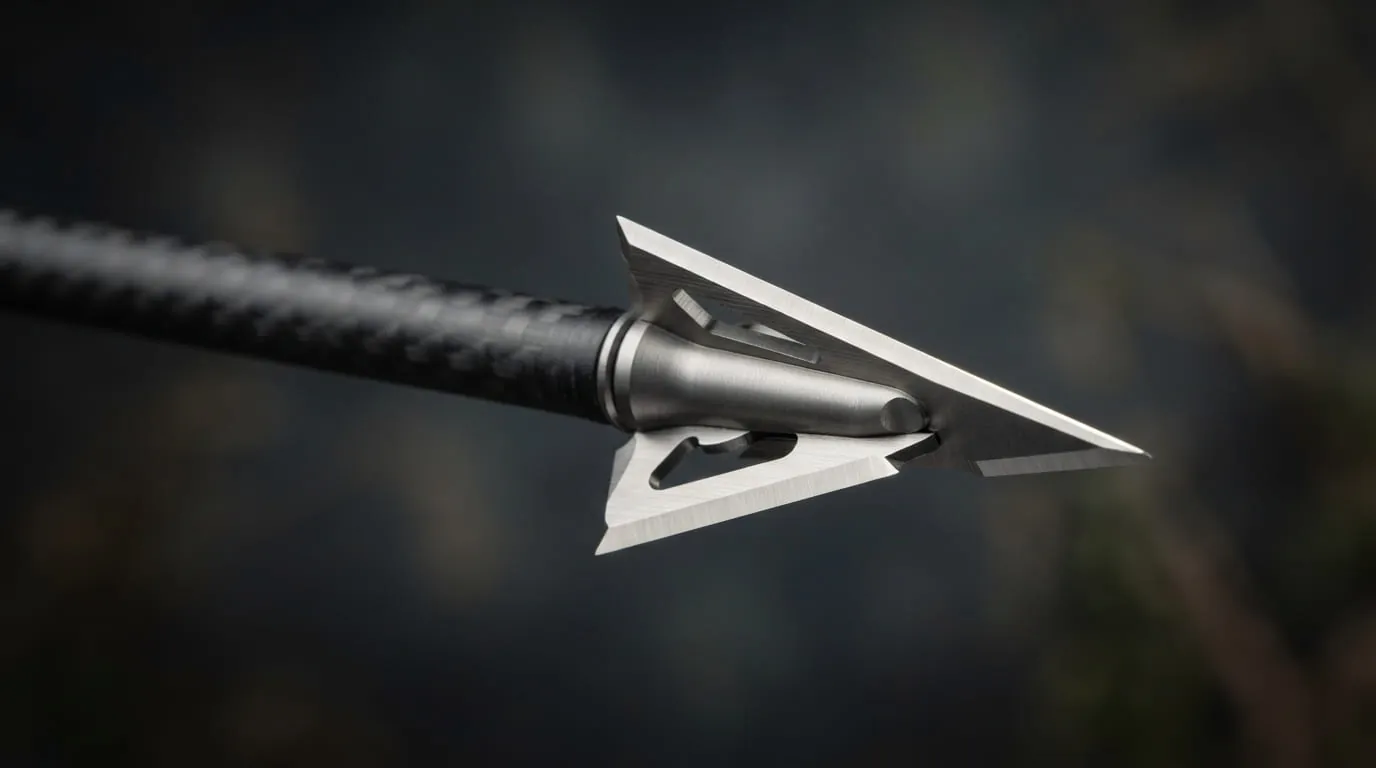 GuideFixed-Blade Broadheads for CrossbowsFixed-blade crossbow broadheads explained: single versus multi-blade designs, cutting diameter, sharpening, practice, and when to choose fixed over mechanical.Read the guide
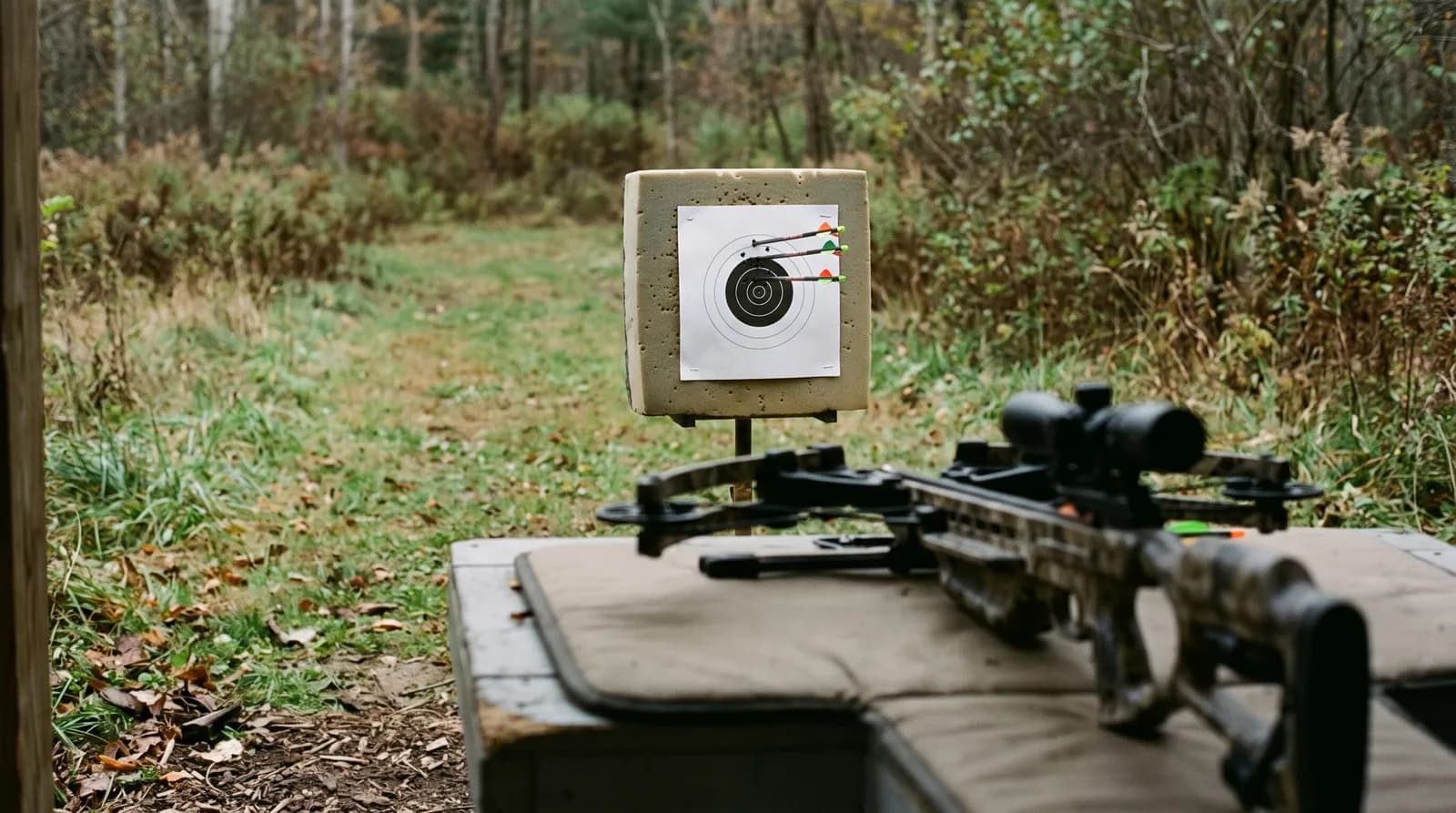 GuideCrossbow Shooting High, Low, Left or Right? Fixes for 2026A direction-first diagnosis for crossbow misses: high, low, left, right and drifting groups, what each pattern means, and the fix for each.Read the guide
Definitions are general information. Manufacturer figures vary, so follow your crossbow's manual and verify local laws with the relevant authority.