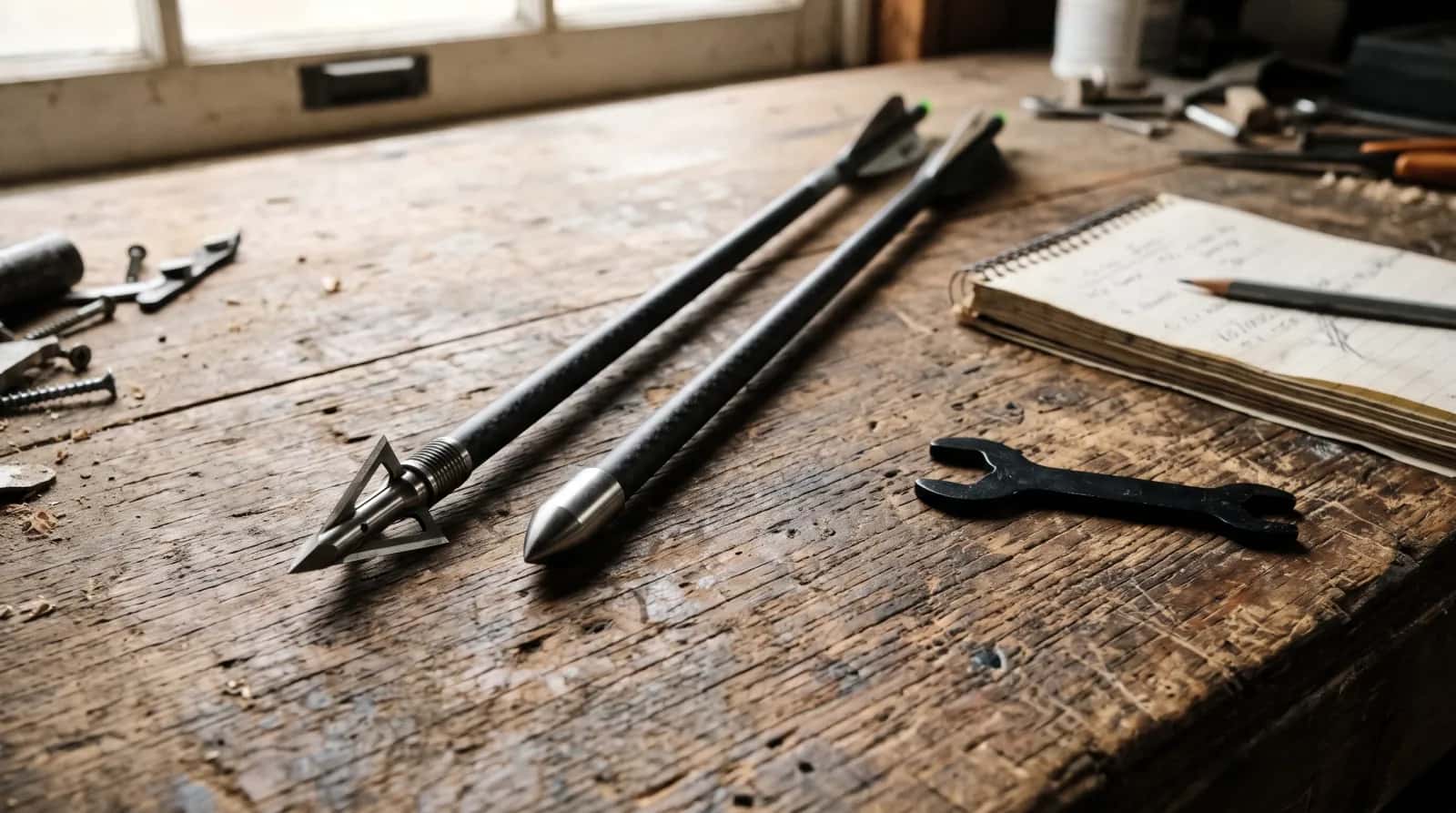
You sighted in with the practice tips that came in the box, screwed on hunting heads a week before opening day, and the group moved three to six inches. That is the problem crossbow broadhead tuning solves. A field point is forgiving: it hides a slightly bent shaft or a crooked insert. A broadhead puts blades ahead of the bolt, and those blades magnify any wobble or misalignment into a miss.
The fix is a home procedure done in a set order, so you never adjust the scope to cover up a bolt problem. The steps below follow TenPoint's published tuning procedure and the general instructions in your crossbow manual, and they work whether you buy bolts from the crossbow bolts page or already own a quiver full.
Why Broadheads Hit Differently From Field Points
A field point is a smooth, pointed weight. Air flows around it cleanly, so a bolt that is slightly out of line still flies close to where you aim. Blades change that. Broadhead blades act like small wings at the front of the bolt, and when the bolt is even a little crooked those wings catch air and steer it. Bowhunters call this planing. A bent shaft, an insert that is not square to the shaft, or a head that sits off center all start the planing, and the blades finish it.
Fixed-blade broadheads are the most sensitive because their blades are exposed for the whole flight.
A mechanical broadhead keeps its blades closed until impact, so it usually flies closer to a field point, although a wobbling head or a weight mismatch still moves it. Our guide to fixed-blade broadheads explains which blade layouts catch the most air, which helps if you are choosing a head as well as tuning one.
Two more effects stack on top. A heavier head than the one you zeroed with changes the bolt's trajectory, so impact drops. And air drag on blades builds up over distance, so an offset you barely notice at 20 yards opens up at 40 and beyond.
| Cause | What you see on the target | Fixed blades | Mechanicals |
|---|---|---|---|
| Bent shaft or out-of-square insert | One bolt or several fly away from the group | Very sensitive | Sensitive |
| Head sits off center on the bolt | Bolt wobbles in a spin test, flies off line | Very sensitive | Sensitive |
| Blades not lined up with vanes | Groups open up, bolts don't repeat | Sensitive | Not applicable in flight |
| Head heavier than the field point | Group lands lower than the field-point group | Same effect | Same effect |
| Drag at longer distance | Offset grows with range | Larger effect | Smaller effect |
One thing you will read in compound-bow tuning articles does not apply here. Paper tuning, moving an arrow rest and adjusting a nock point are vertical-bow fixes. A crossbow launches its bolt from a fixed rail, and TenPoint states plainly that paper tuning a fixed-blade broadhead shot from a crossbow is not an option. Tuning a crossbow for broadheads means tuning the bolts and heads, then the scope.
What You Need
- Your crossbow and its owner's manual, which lists the approved bolt length and minimum bolt weight.
- Bolts of identical brand, model and weight, with no mixed batches.
- Field points that weigh the same as your broadheads.
- The broadheads you will hunt with, plus the wrench or installation tool made for them.
- An arrow spinner, or a flat, smooth surface for a tip-spin check.
- O-rings sized for the broadhead's threaded base (the ferrule), if the head design uses them. TenPoint's procedure calls for a 6 mm outside, 4 mm inside diameter O-ring.
- A target rated for broadheads and a safe backstop.
- A fine marker and a notebook for numbering bolts and recording results.
- Optional: a grain scale to weigh bolts and heads.
Never dry-fire the crossbow while you work through this list. Releasing the string without a bolt can damage the limbs and string and injure you.
How to Tune Crossbow Broadheads, Step by Step
Work through the steps in order. Each one removes a variable before the next, and the scope stays untouched until step 9.
1. Confirm a solid field-point zero
Start from a reliable zero with field points that weigh the same as your broadheads. If you have not zeroed yet, or the field-point group itself wanders, our guide on how to sight in a crossbow scope walks through a 20-yard zero first. Tuning broadheads on top of a bad zero only hides the problem.
2. Check bolt spec and straightness
Make sure every bolt is the bolt length and weight your manual approves. Crossbow bolts are matched to the crossbow by the manufacturer's approved length and weight list, so treat spine as part of the bolt maker's spec rather than something you pick from a chart.
Our guide on how to choose crossbow bolts explains how length, weight and spine are selected.
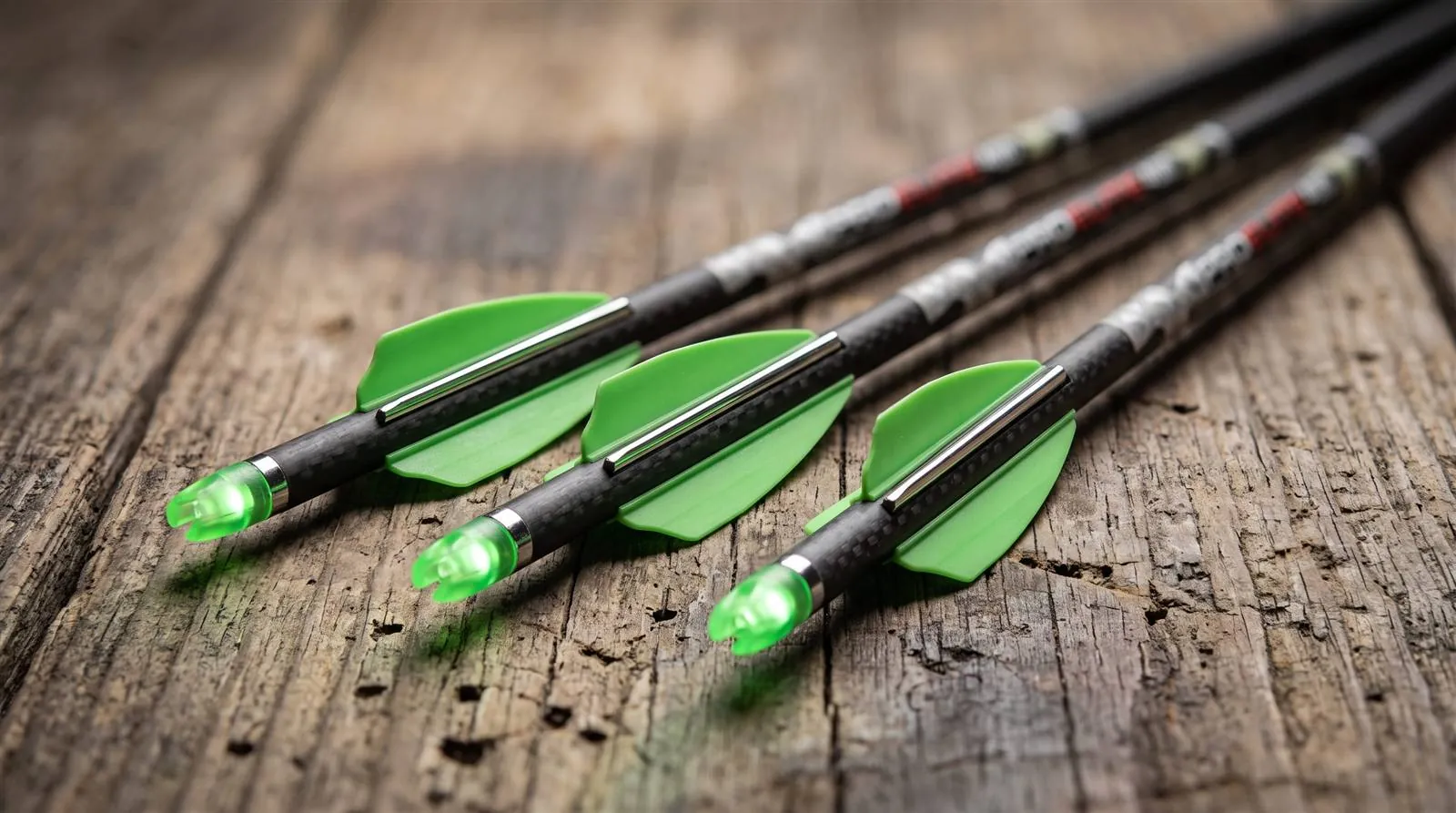
Number each bolt with a marker near the nock. Spin each bare shaft on the spinner, or roll it on a flat surface, and watch for wobble. Bolt straightness is the maker's rated tolerance: the TenPoint Lighted Pro Elite 400, for example, is inspected to within .003 inch. A bolt that visibly wobbles is outside any rating, so retire it.
If several fail, our best crossbow bolts roundup compares replacement sets by straightness and weight.
3. Check the insert and the nock
Spin each bare bolt again and watch both ends. A wobble at the front means the insert is not square to the shaft. A nock that is cracked, chipped or loose goes in the bin, since a damaged nock can cause a dangerous misfire. If you use a lighted nock, confirm it is fully seated.
4. Install the broadhead
If your head design uses an O-ring, slip it onto the ferrule first. Thread the broadhead into the insert until it seats against the O-ring and insert. TenPoint recommends turning the bolt onto the head, held in its tool, rather than turning the head into the bolt, because your hand stays away from the blades.
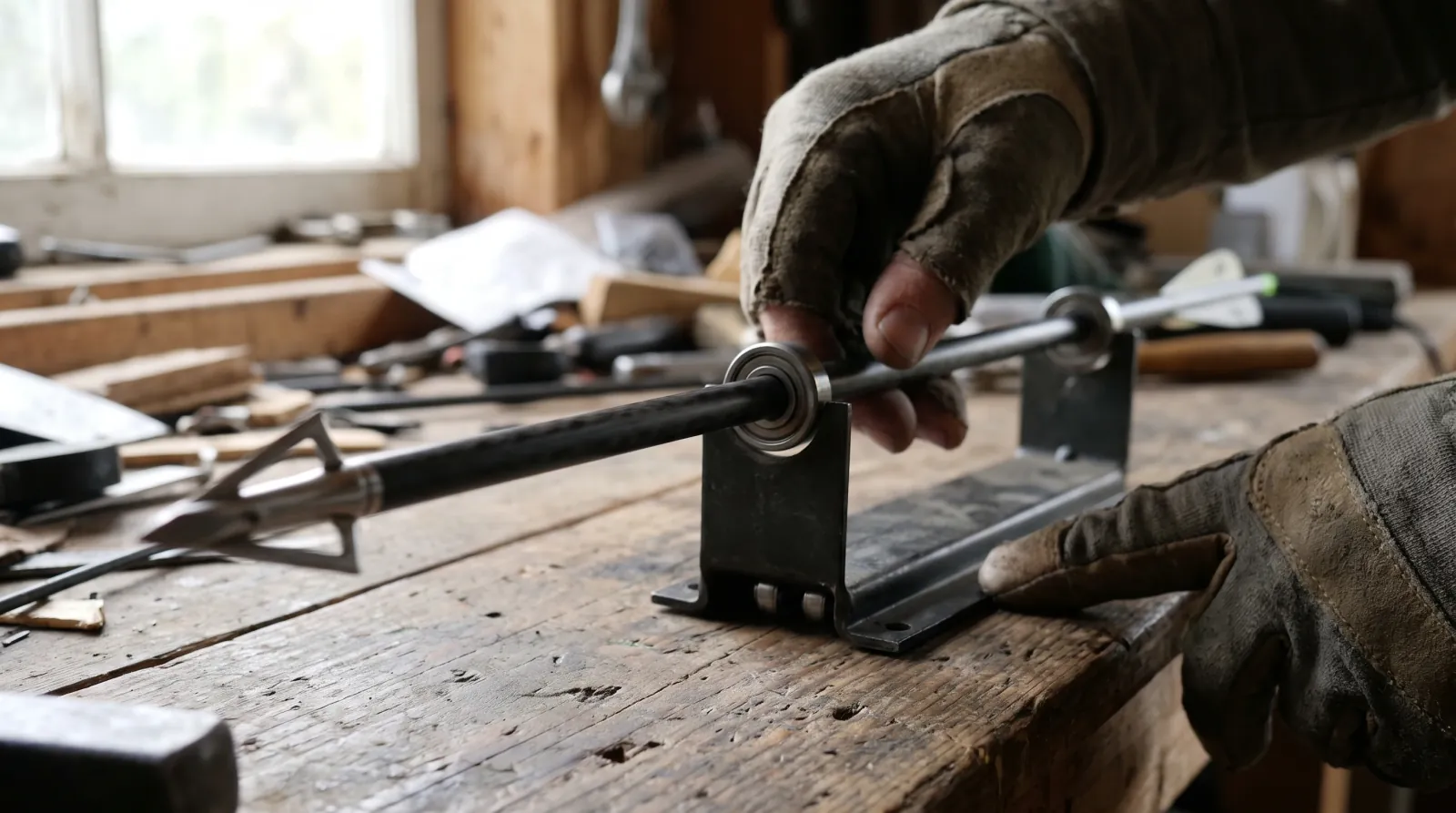
5. Spin-test the assembled bolt
Spin the bolt with its broadhead on and watch the tip. A tuned bolt spins with the point still. If the tip wobbles, back the head out, re-seat it and spin again. Still wobbling? Move that head to a bolt that spun true in step 2. If the wobble follows the head, the head is the problem; if it stays with the bolt, the insert or shaft is.
6. Fixed blades only: align the blades with the vanes
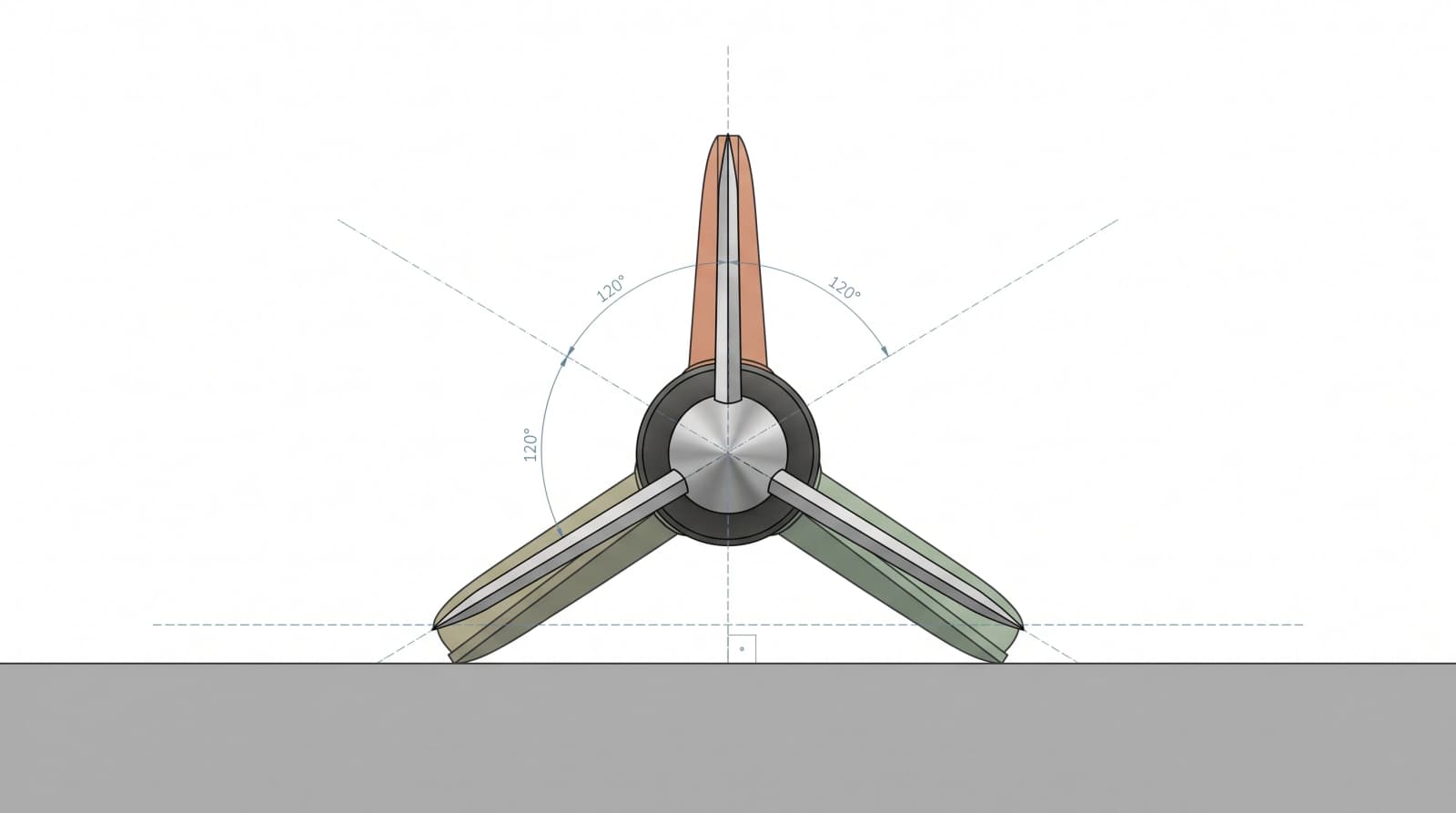
TenPoint recommends a flat-surface check. Lay the assembled bolt on a table. The bottom two vanes and the bottom two blades should both touch the surface, and the bolt should not teeter. If they don't line up, tighten the head slightly and check again; the O-ring gives you a little room to turn it. Alignment does not fix a bent bolt, but it means every bolt in the quiver is assembled the same way, which helps them repeat.
7. Mechanicals: check retention and weight
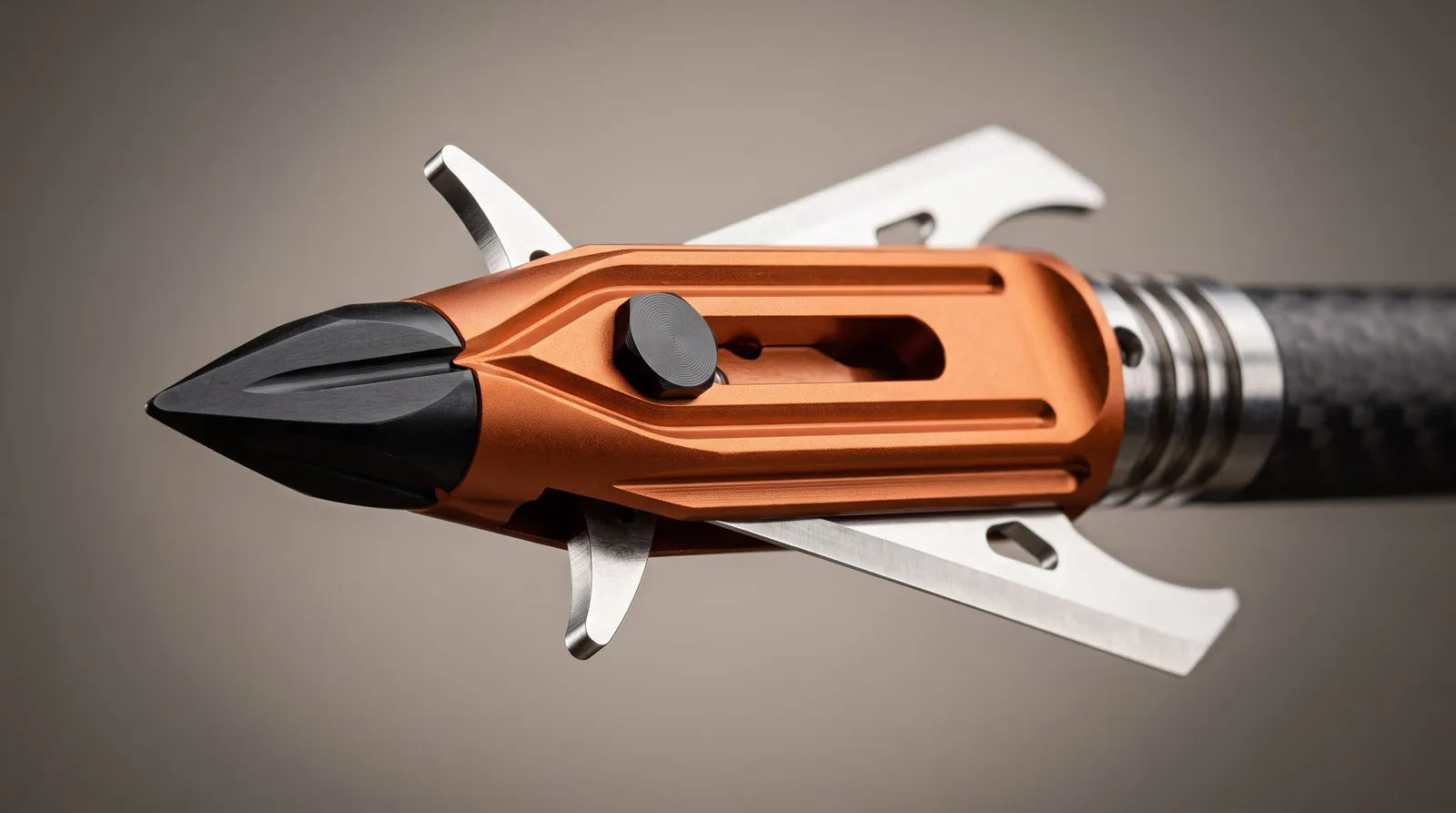
Mechanical heads need less alignment work, but check that the blades are fully closed and the retention system holds them shut. Designs differ. The Ravin R102 Broadhead uses an internal spring clip, so it needs no lock ring or O-ring.
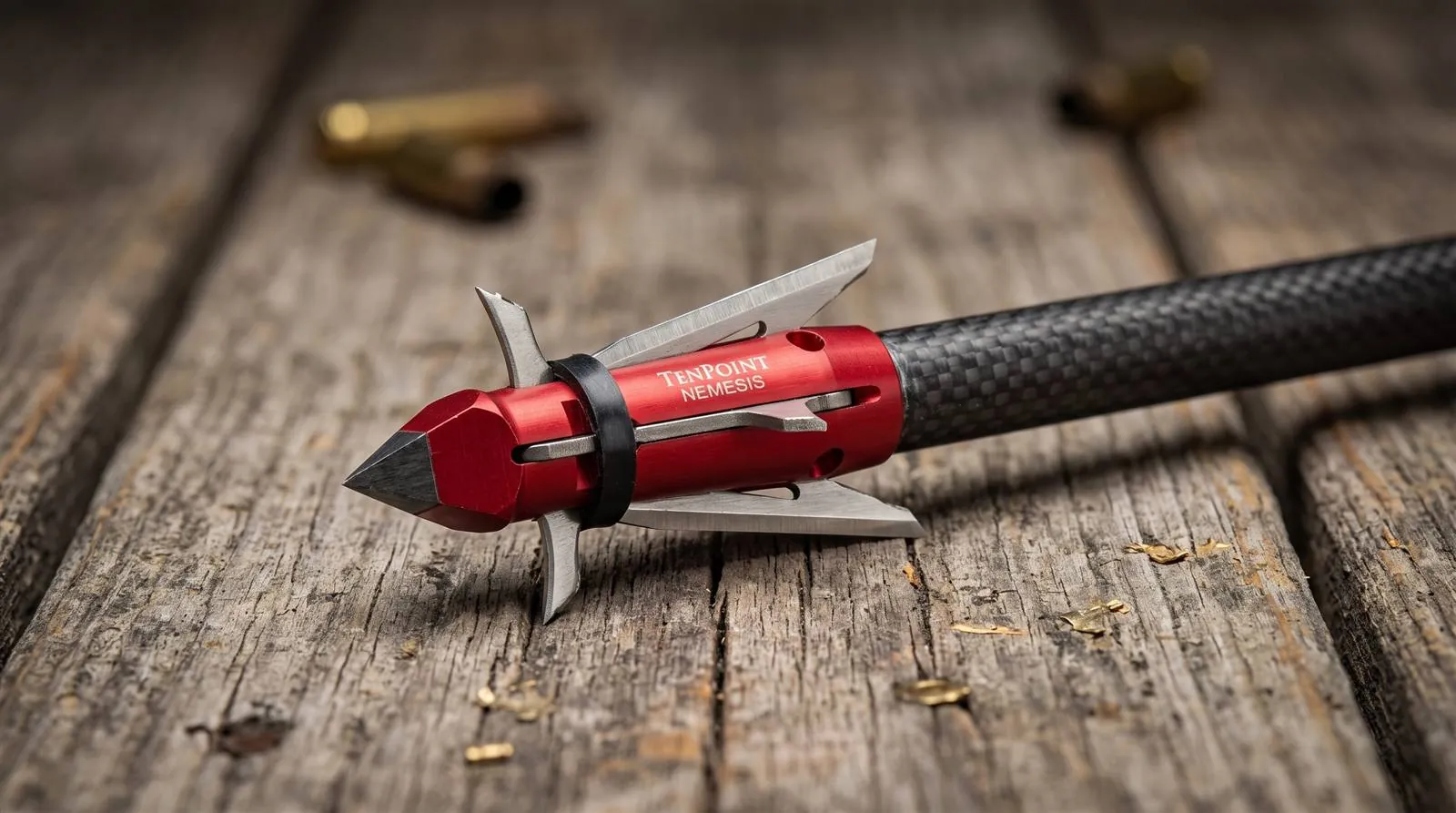
The TenPoint Nemesis Broadhead is a 100-grain four-blade head: two blades cut a 2-inch entry and two rear blades open after, for a rated 3.75-inch total cut. Both weigh 100 grains, so they pair with 100-grain field points. For most mechanicals, the spin test in step 5 is the main check.
8. Shoot field points and broadheads side by side
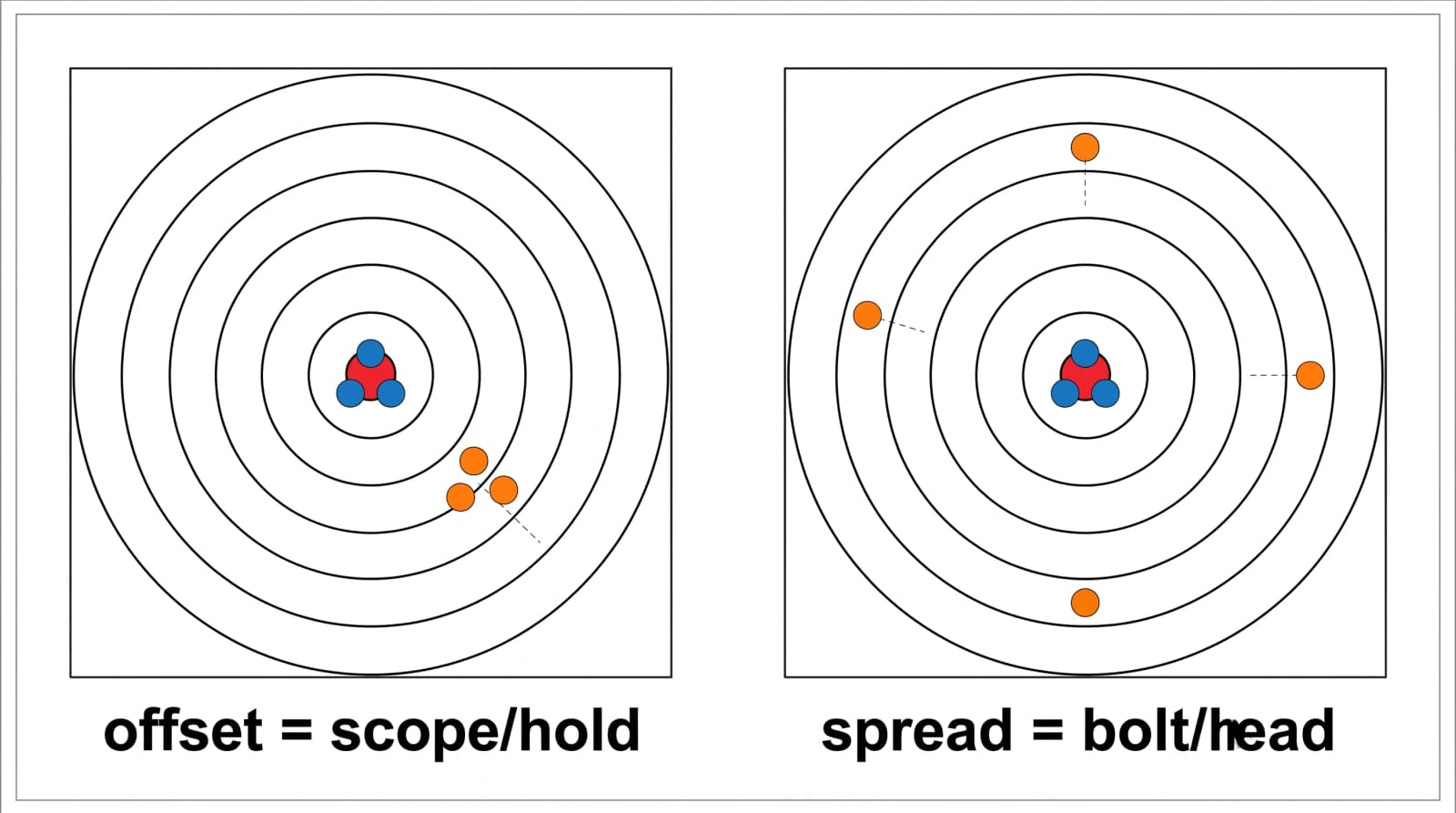
At 20 yards, shoot three field-point bolts at one aim point on your practice target, then three broadhead bolts at the same aim point on the broadhead target. Keep the crossbow level, since canting moves impact sideways and can be mistaken for a tuning problem. Compare the two groups' centers and their size.
9. Adjust the scope only for a tight, offset group
If the broadhead group is as tight as the field-point group but sits a little away from it, the bolts are tuned and the remaining offset is a sighting matter. Make fine windage and elevation adjustments, or note a separate broadhead aiming point (step 10 and the re-zero section below help you decide). If the broadhead group is spread out, the scope is not the answer: go back to steps 2 to 6 and find the bolt or head that is causing it.
10. Confirm at your longest planned distance
Drag and drop both grow with range, so confirm the broadhead group at the longest distance you plan to shoot. Our bolt drop chart shows how far your bolt should drop between 20 yards and that distance, so you know whether a low hit is expected drop or a tuning fault. Write the clicks, holds and bolt numbers in your notebook.
Weight Matching and FOC
Weight is the simplest cause to rule out and the easiest to get wrong. A 125-grain broadhead on a bolt zeroed with 100-grain field points makes the whole bolt heavier, so it leaves slower and drops more, and the group lands low. Match the head and the field point grain for grain, and weigh a few heads if you have a scale, because rated weights carry small tolerances.
Total bolt weight matters too. Your manual lists a minimum, and shooting under it can damage the crossbow. Heavier heads add weight safely; lighter ones can take you under the limit, so check before you switch.
Head weight also moves the bolt's balance point forward or back, which changes its FOC.
Our explainer on what is FOC covers why a more front-heavy bolt tends to fly steadier with broadheads.
Before you buy heavier heads, run the numbers in our FOC calculator so you see the new balance and total weight together.
Re-Zero or Hold Off? Deciding Your Hunting Zero
The rule is simple: hunt with a zero for the head you hunt with.
- Groups now agree: if field points and broadheads land together after tuning, keep one zero and practice with field points of the same weight.
- A consistent offset remains: if every check passes and broadheads still land a steady distance from field points, zero the scope for broadheads. Practice with broadheads into the broadhead target, or note the field-point offset in your notebook.
- The offset changes with distance: check each aiming point with broadheads out to your longest distance and record the holds.
Re-check the zero after any change of bolt, head, scope or mount, and before every season.
Common Mistakes
- Moving the scope to fix a wobbling bolt. The zero then fits one bad bolt and misses with the rest.
- Mixing bolt models or weights in one quiver, even from the same brand.
- Shooting broadheads into a field-point target. It wrecks the target and the blades, and pulling them out is unsafe.
- Ignoring one bad head. Number bolts and heads so a repeat flier shows up in your notes.
- Checking only at 20 yards. A broadhead offset can stay hidden until 40 yards.
- Hunting with dull or damaged blades after practice shots. Replace or sharpen them per the maker's instructions.
- Using a heavier head than your zero weight without re-checking.
- Letting the crossbow go untended. A dry rail or worn string changes how bolts leave it; our guide on how to maintain a crossbow covers the routine that helps it hold a zero.
Troubleshooting Table: Symptom, Cause, Fix
| Symptom | Likely cause | Fix |
|---|---|---|
| Broadheads hit low at every distance | Head heavier than the field point used for the zero | Match weights or re-zero for the broadhead |
| Broadheads hit low only far out | Drag and extra drop at range | Confirm each distance with broadheads; compare with the bolt drop chart |
| Broadheads hit high, left or right, always the same way | Head or insert slightly off axis, vane contact, or canting | Spin-test, re-seat heads, check vanes sit correctly, keep the crossbow level |
| One bolt flies wild | Bent shaft, bad insert or bad head | Swap the head to a true bolt to isolate it, then replace the bad part |
| Group opens up only with fixed blades | Blade misalignment or planing | Align blades with vanes; if it persists, try a mechanical head |
| Offset grows with distance | Drag on the blades | Record holds per distance or zero for broadheads |
| Fine in summer, off at opening day | Zero shift or loose scope mount | Check mount screws, re-confirm the zero before the season |
If your field points also miss in the same direction, the cause is not the broadhead. Our guide to crossbow shooting high or low diagnoses misses by direction and distance. If fixed blades still won't settle after every check, our best crossbow broadheads roundup compares mechanical and fixed heads that suit fast crossbows.
When to See a Pro Shop or Contact the Manufacturer
Some causes are not tuning problems. Take the crossbow to a pro shop, or contact the manufacturer, if:
- field points scatter too, even with matched, straight bolts;
- you see frayed strands or worn serving on the string or cables, which our guide to crossbow string serving damage helps you assess;
- the scope will not hold zero with tight mounts;
- bolts keep cracking or nocks keep breaking;
- you have warranty questions, which only the maker can answer.
Stop shooting at once if the limbs, cables or rail show cracks, chips or damage. A damaged crossbow can fail under load.
Frequently Asked Questions
Should broadheads hit the same as field points on a crossbow?
They should land close together when the bolts are straight, the heads spin true and the weights match. A small, steady offset can remain, and that is fine as long as you zero or hold for the head you hunt with.
Do mechanical broadheads need tuning?
Less than fixed blades, because the blades stay closed in flight. Still spin-test each assembled bolt, confirm the blades are fully closed and retained, match the head weight to your field points and confirm the zero with the head you will hunt with.
Can you paper tune a crossbow?
Not in the compound-bow sense. Paper tuning diagnoses arrow rest and nock problems that a crossbow does not have, because the bolt runs on a fixed rail. Tune a crossbow by checking bolts, inserts, heads and weight, then the scope.
Do broadhead blades need to line up with the vanes?
TenPoint recommends it for fixed blades: the bottom two blades and bottom two vanes should touch a flat surface together. It does not fix a bent bolt, but it makes every bolt in the quiver match, which helps groups repeat.
How much wobble is too much in a spin test?
Any wobble you can see at the broadhead tip is worth fixing. Re-seat the head, then swap it to another bolt to find whether the head or the bolt is at fault, and replace that part.
Should I sight in with broadheads?
Zero with weight-matched field points first, then confirm with your broadheads. If broadheads still land in a steady different spot after tuning, set your hunting zero with the broadheads.
Why do my broadheads hit low at 40 yards?
Usually the head is heavier than the field point you zeroed with, or drag on the blades adds drop at range. Match weights, then check each distance with broadheads and record the holds.
Bottom Line
Tune in this order: straight bolts, square inserts and sound nocks, heads that spin true, fixed blades aligned with the vanes, matched weight, and only then the scope. Confirm at your longest distance and write it down. If your current head never settles, a different design may suit your crossbow better. Broadhead rules such as minimum width vary by state, so check our guide to crossbow hunting laws by state and your state wildlife agency before you buy; this is not legal advice.
Read nextBest crossbow broadheads for deer huntingCompare reviewed heads that suit your crossbow.Gear mentioned in this guide
Reviews we link to above, highest rated first. Read the full review before you buy.
Ravin R102 Broadhead Review
100-grain mechanical crossbow broadhead rated by Ravin to 500 FPS with Ravin crossbows. An internal spring holds the blades closed in flight, with no O-rings to replace.
TenPoint Lighted Pro Elite 400 Review
410-grain lighted crossbow bolts for dawn, dusk and dense cover. Easier shot tracking and bolt recovery at a higher cost per bolt.
TenPoint Nemesis Broadhead Review
Staged mechanical crossbow broadhead with a 3.75-inch total cut and an unlimited speed rating. 100 grains, sold in packs of three.
Ready to compare models? Read our crossbow reviews to see how each one compares.
More Crossbow Guides
Crossbow Shooting High, Low, Left or Right? Fixes for 2026
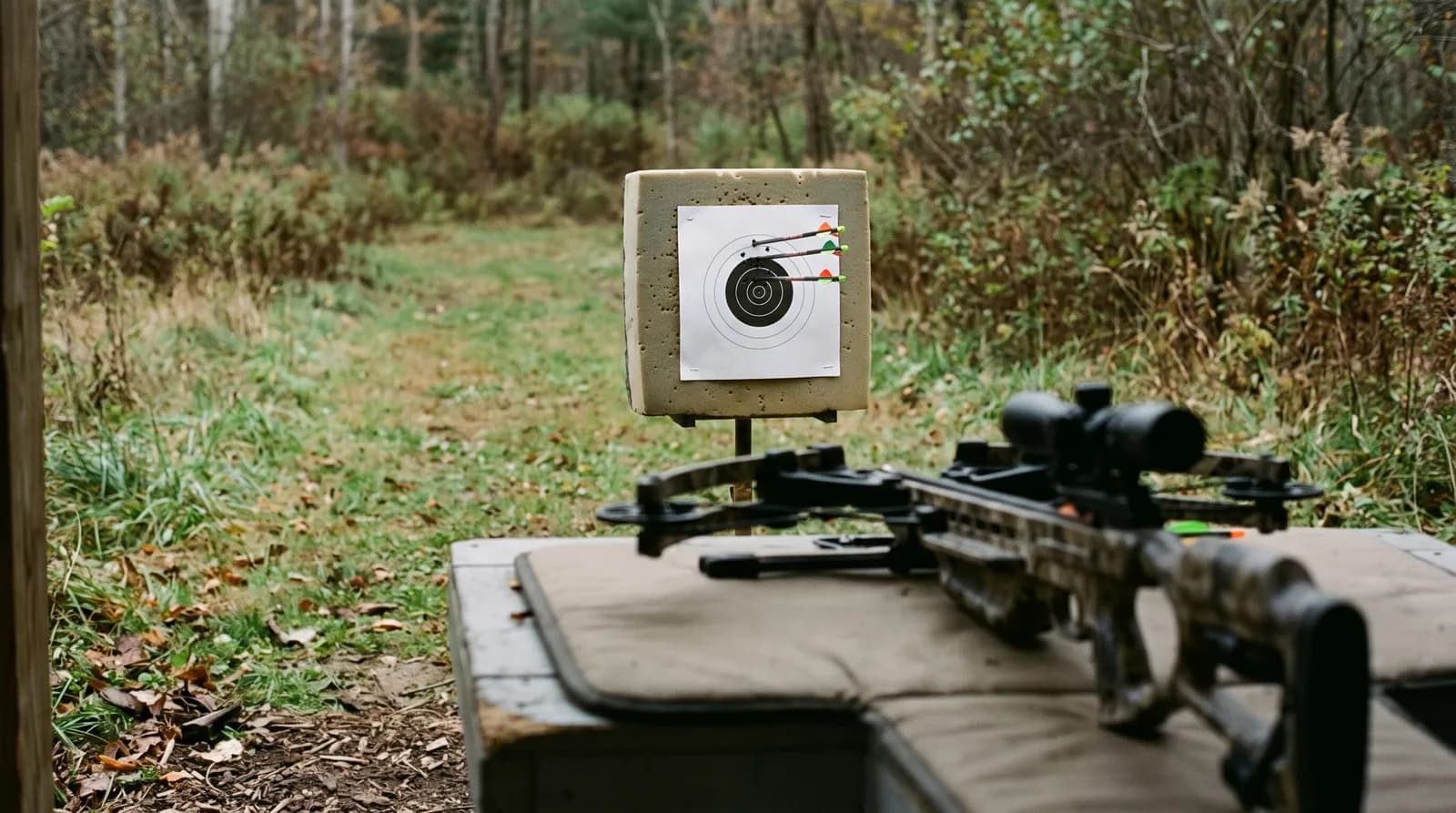
A direction-first diagnosis for crossbow misses: high, low, left, right and drifting groups, what each pattern means, and the fix for each.
Read guide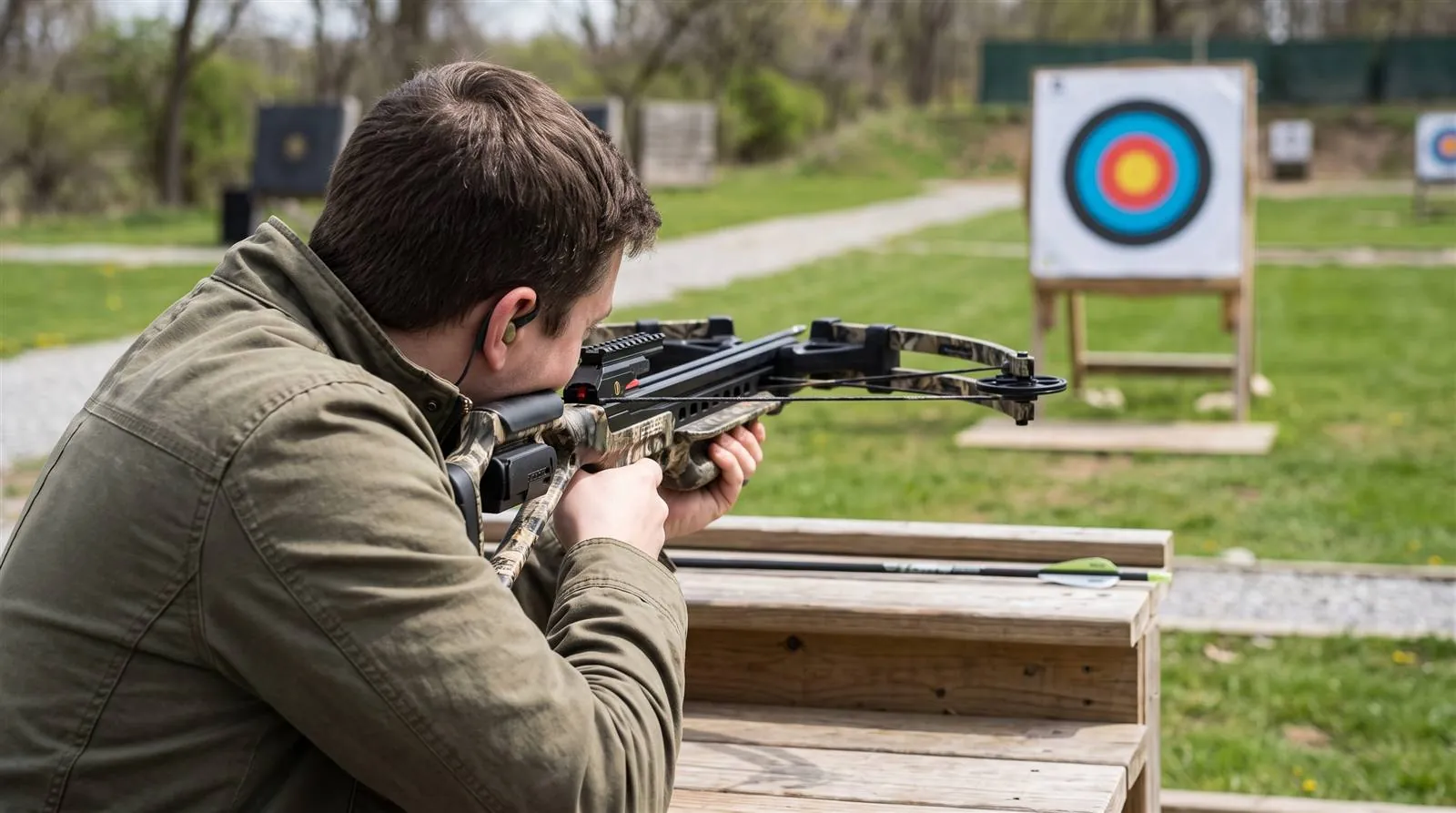
How to Sight In a Crossbow Scope
Sighting in a crossbow scope step by step: safe lane setup, first zero, confirming each aiming point, and re-checking with your hunting tip.
Read guide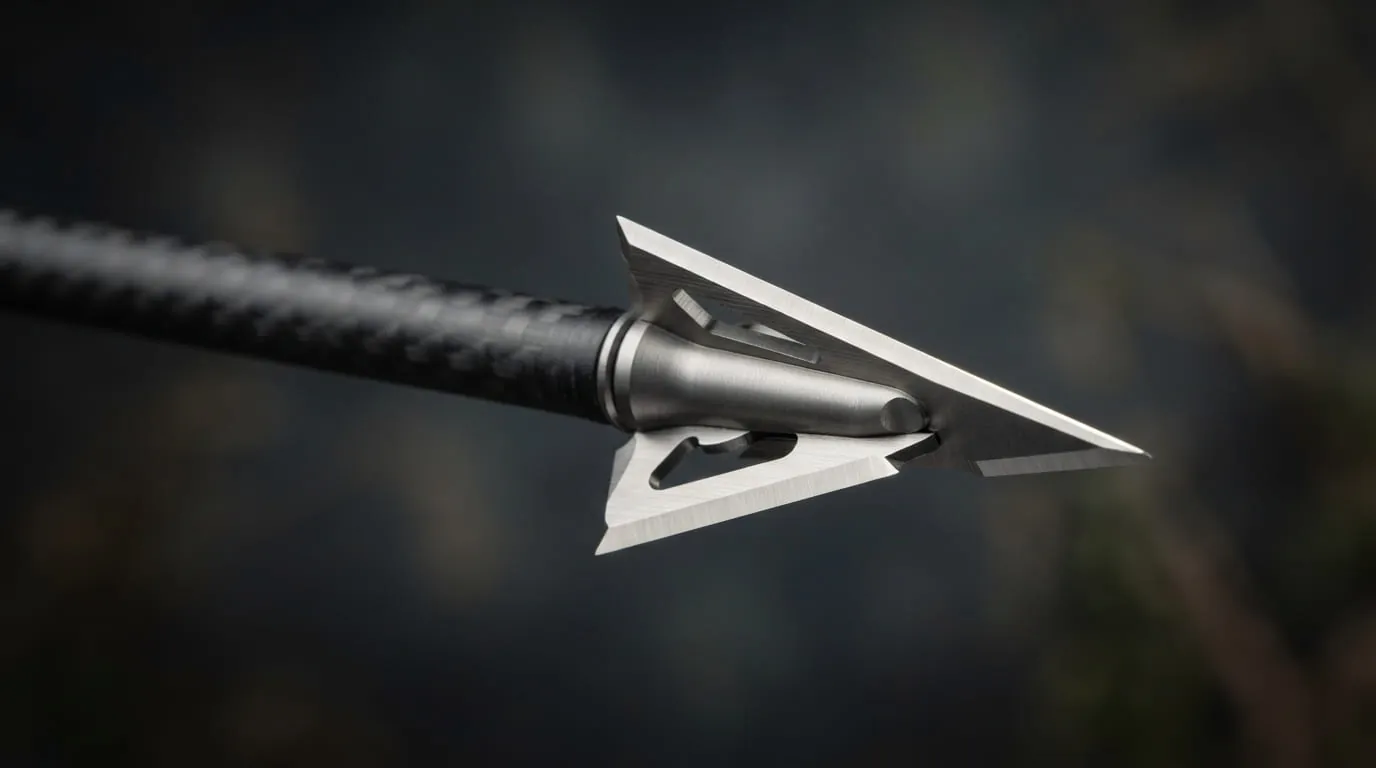
Fixed-Blade Broadheads for Crossbows
Fixed-blade crossbow broadheads explained: single versus multi-blade designs, cutting diameter, sharpening, practice, and when to choose fixed over mechanical.
Read guide