Crossbow Stringer in plain terms
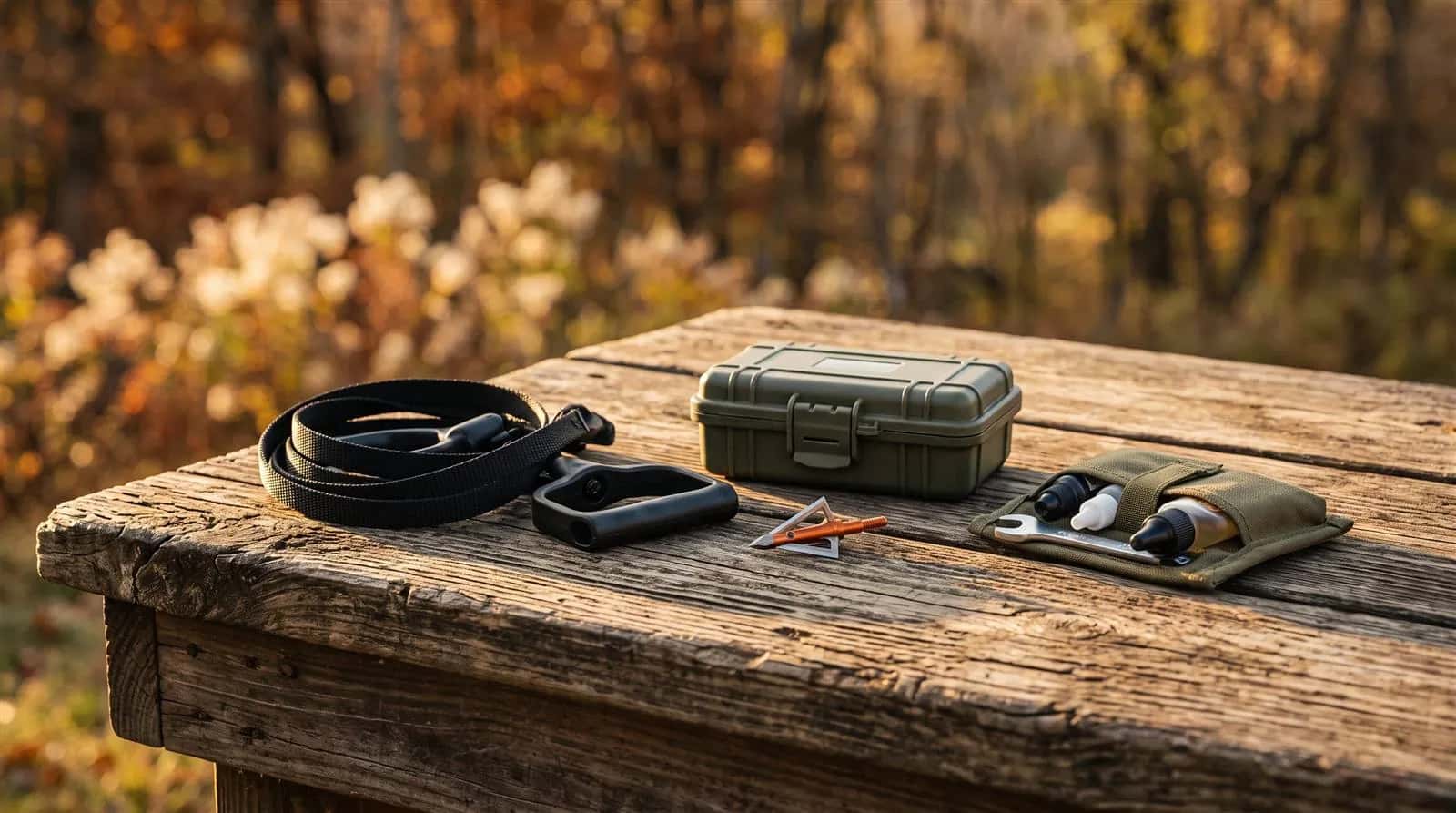
Crossbow Stringer meaning: A crossbow stringer is a cord tool that bends a recurve crossbow's limbs so the string can be fitted or removed safely.
Also called: stringing aid, crossbow stringing aid, recurve stringer, stringing cord
A crossbow stringer is a length of strong cord with a pocket or cup at each end. The pockets slip over the limb tips of a recurve crossbow, and when you cock the crossbow with the stringer in place, it bends the limbs further than the string does. That takes the tension off the string so you can lift it out of the limb notches or fit a new one.
Stringers are a recurve tool. Compound crossbows use cams and cables, and changing their string and cables usually needs a bow press and a technician, not a hand stringer.
Many recurve kits include one. The Avalanche Anaconda kit, for example, ships with a stringer, quiver, bolts, sling and cocking rope in the box.
Stringer vs bow press
| Tool | Used on | Who does it | Notes |
|---|---|---|---|
| Stringer (stringing aid) | Recurve crossbows | Owner, following the manual | Cheap, portable, can be used in the field |
| Bow press | Compound and reverse-draw crossbows | Usually a pro shop | Needed to relax cams and cables safely |
| No tool (bare hands) | Not recommended | Nobody | Limbs store too much energy to bend safely by hand |
Why it matters
Recurve strings wear and stretch, so recurve owners replace strings more often and can do it themselves. Without a stringer, there is no safe way to bend modern crossbow limbs far enough to free the string.
Using the right stringer protects the crossbow. A stringer that is too long or short, or a pocket that slips off a limb tip, can let the string or limbs move suddenly and twist or damage the limbs.
It also matters in the field. A spare string and a stringer let a recurve hunter fix a frayed or broken string on the spot rather than ending the trip.
How to read it on a spec sheet
- Check that the stringer is listed for your crossbow model or limb length.
- Look at the end pockets or cups; they should fit snugly over your limb tips.
- Note the cord length and any adjustment, since the wrong length will not bend the limbs enough.
- Read whether the crossbow manual expects a stringer or a specific procedure.
- Check that a replacement string matches the length and specification in your manual.
Common mistakes
- Trying to string a crossbow by hand or with improvised rope.
- Using a stringer on a compound crossbow that needs a bow press.
- Letting a pocket slip off a limb tip while the limbs are under load.
- Fitting a string with the wrong length or with the serving off-centre.
- Forgetting to remove the stringer and check string alignment before shooting.
Using a stringer safely
- Make sure the crossbow is unloaded, with no bolt on the rail.
- Read the stringing steps in your manual before you start.
- Seat both stringer pockets firmly over the limb tips.
- Cock using the stringer as your manual describes, keeping fingers out of the string path.
- Lift the old string out of the limb notches and seat the new one fully.
- Lower the stringer under control, remove it and check the serving sits centred on the rail.
Frequently Asked Questions
What is a crossbow stringer used for?
A crossbow stringer is used to bend a recurve crossbow's limbs so you can take the string off or fit a new one. It holds the limbs under control while the string has no tension on it.
Do compound crossbows need a stringer?
No. Compound and reverse-draw crossbows use cams and cables, and changing their string usually needs a bow press. Most owners have this done at a pro shop rather than with a hand stringer.
Can I restring a recurve crossbow without a stringer?
You should not. Recurve crossbow limbs store a lot of energy, and bending them by hand or with improvised rope can let them slip and cause injury or damage. Use the stringer your manual specifies.
How often do recurve crossbow strings need replacing?
It depends on use and care. Replace the string at your manual's interval or sooner if you see fraying, broken strands or separating serving. Regular waxing helps a string last longer.
Does every recurve crossbow come with a stringer?
Many recurve kits include one, but not all. Check the box contents when you buy, and keep the stringer with your spare string so you can fix a damaged string in the field.
Is a universal crossbow stringer safe to use?
Only if it fits your crossbow's limb tips and length. A stringer that does not match can slip or fail to bend the limbs enough. Use the model your crossbow maker recommends where one is listed.
Related guides
Guides where crossbow stringer shapes a real choice.
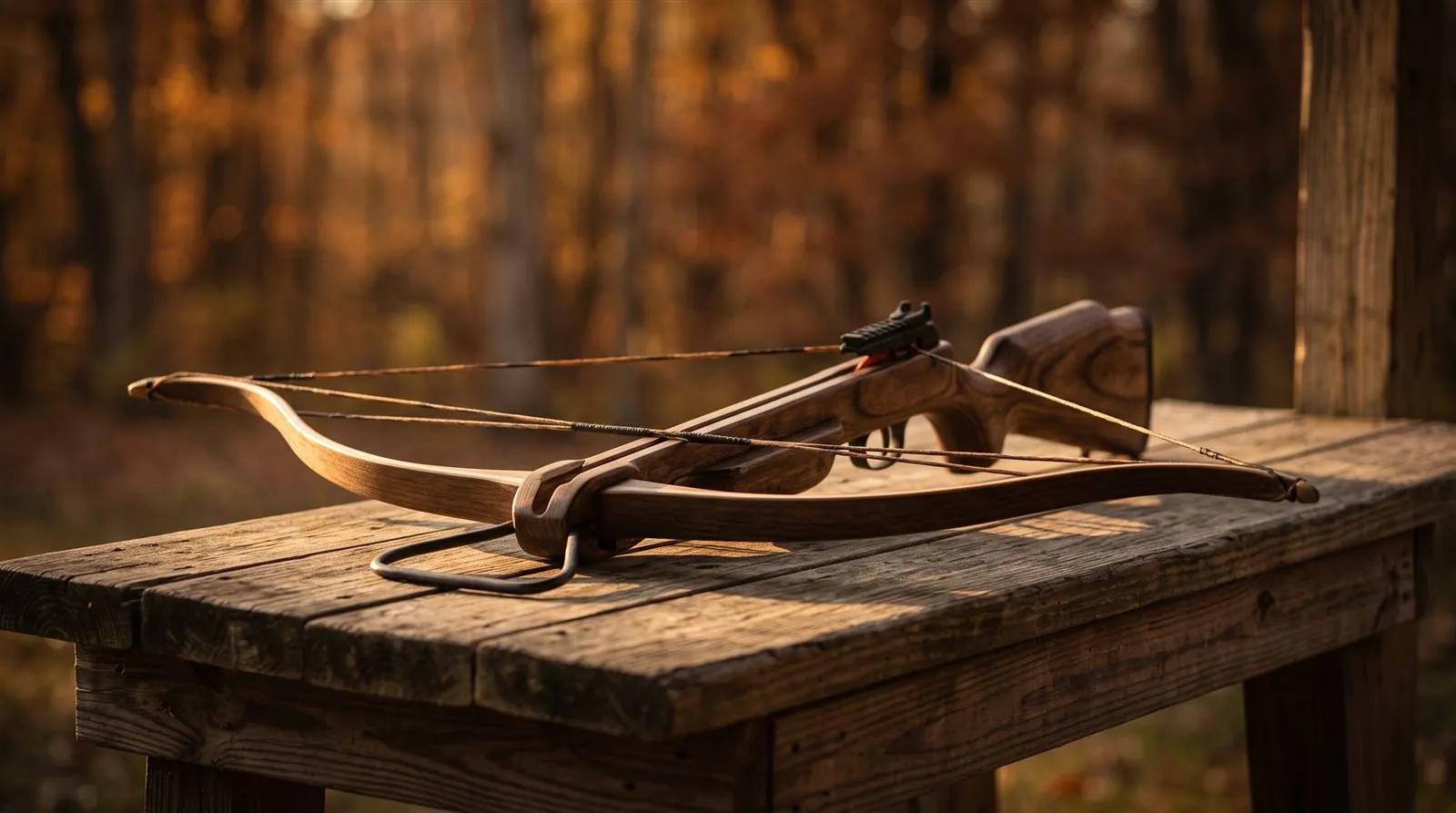 GuideHow to String a Recurve CrossbowStep-by-step guide to stringing and unstringing a recurve crossbow with a stringing aid, including when to replace the string, how to check it is seated, and what never to do.Read the guide
- GuideHow to Choose a Recurve CrossbowHow to choose a recurve crossbow for hunting: who it suits, which specs to compare, maintenance, common mistakes and a decision checklist.Read the guide
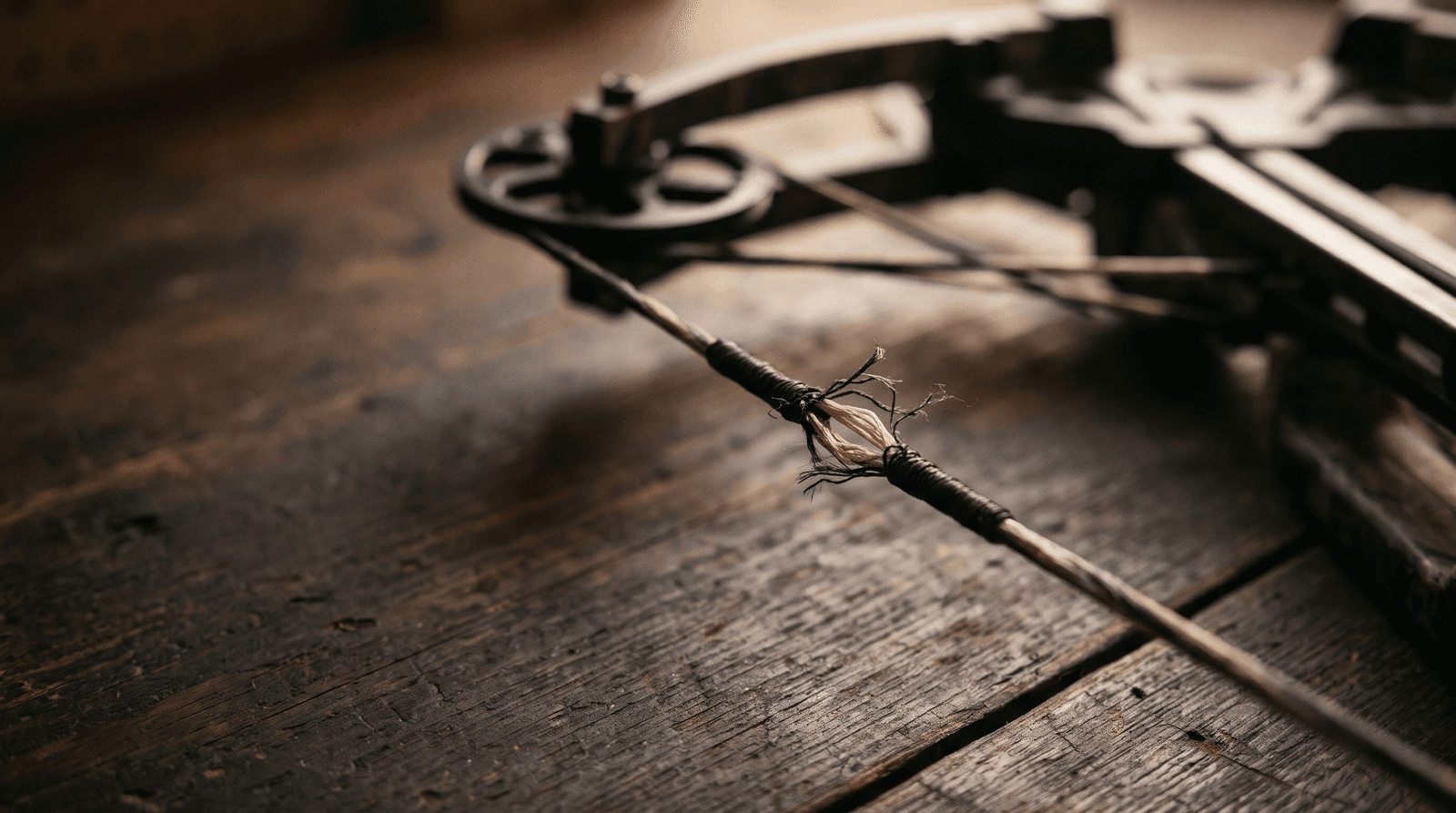 GuideCrossbow Serving Separation & String DamageA damage-by-damage guide to crossbow strings, servings and cables: what separation, fraying and broken strands mean, the causes, and when to stop shooting.Read the guide
Definitions are general information. Manufacturer figures vary, so follow your crossbow's manual and verify local laws with the relevant authority.